



The Great Escape from the Heat Dome
If you’ve spent the last few months feeling like you live on the surface of the sun, you’re not alone. This year’s heatwave has been relentless, turning major Indian metros into urban ovens. With temperatures in cities like Delhi flirting with 50 degrees
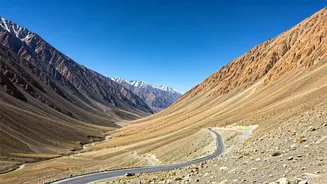
Celsius, the simple act of stepping outside has become an extreme sport. It’s a collective experience of seeking refuge indoors, blasting the AC, and dreaming of rain. But for a growing number of people, that dream is taking a more proactive shape: a mass migration, however temporary, towards the hills. Travel portals and tour operators are reporting a significant spike in enquiries and bookings for destinations in Himachal Pradesh, Uttarakhand, and Ladakh. This isn't just the usual summer holiday rush; it's a climate-driven exodus.
More Than Just a Tent
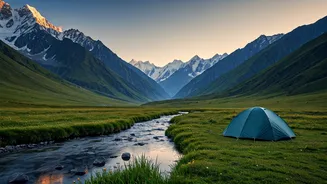
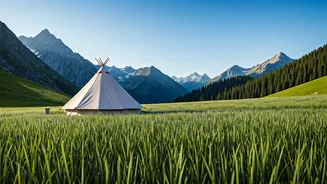
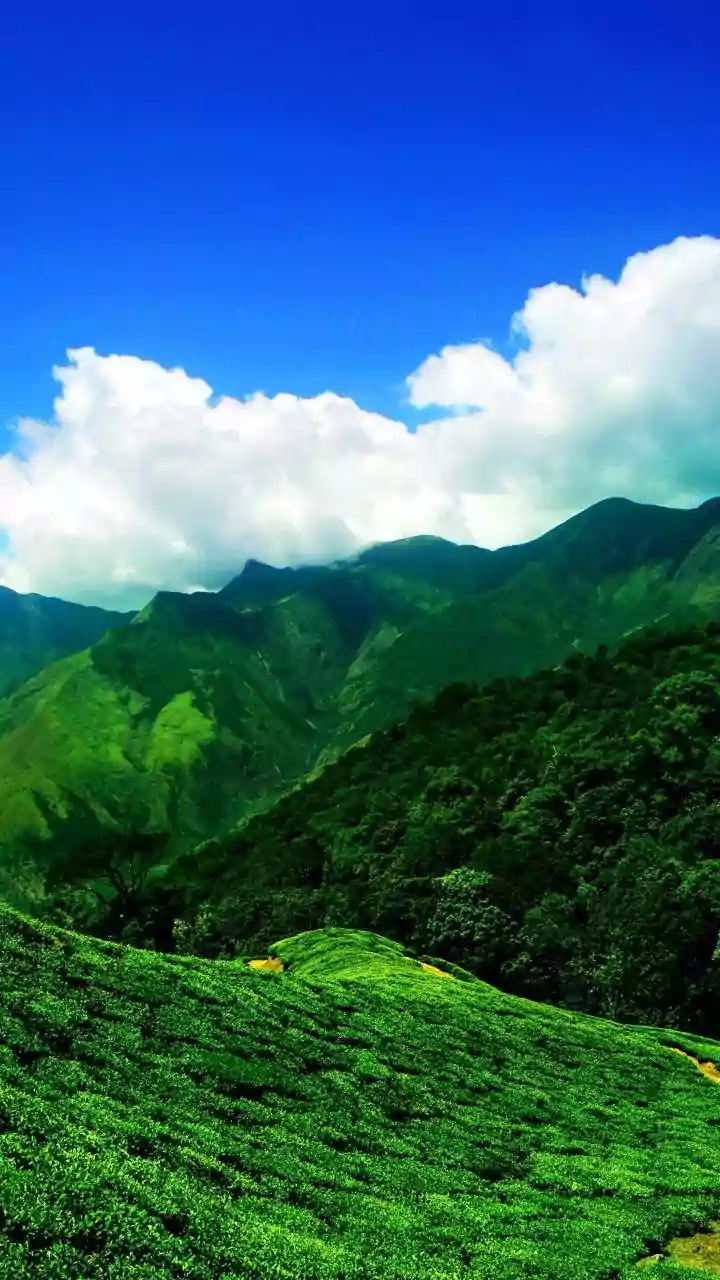
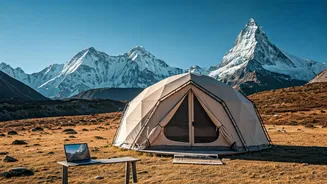
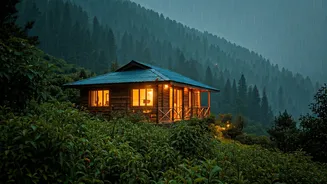
When we talk about 'eco-camping', it’s important to clarify what this trend entails. This isn’t about pitching a flimsy tent in a crowded field. Instead, high-altitude eco-camping focuses on sustainable, low-impact travel that immerses you in nature. Think campsites that run on solar power, practice waste segregation, use dry toilets, and are built with local materials. The experience is about waking up to crisp mountain air in the Tirthan Valley, watching the stars from a clear night sky in Spiti, or sipping chai while looking out at the snow-capped peaks near Manali. It’s a deliberate move away from the manicured lawns of luxury resorts and towards something more raw, authentic, and connected to the environment. This resonates with a new generation of travellers who are not just seeking an escape, but a meaningful one.
The Data Behind the Journey
The numbers confirm the anecdotal evidence. Travel industry insiders have noted a surge of 30-40% in bookings for mountain destinations compared to last year. Platforms like MakeMyTrip and EaseMyTrip have highlighted a clear preference for offbeat, cooler locations. The search terms tell a story: “workation in the mountains,” “long-stay Himachal,” and “eco-lodges Uttarakhand” are all trending. The demand is so high that many popular eco-camps in places like Jibhi, Sethan, and parts of Ladakh are fully booked weeks in advance. It's a direct response to the 'push' of the city heat and the 'pull' of the pristine, cool mountain environment. People are not just booking a week-long trip; many are opting for stays lasting several weeks, blending work and leisure.
The 'Work from Mountains' Phenomenon
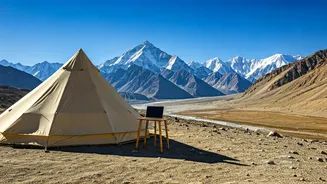
This trend has been supercharged by the widespread adoption of remote work. The post-pandemic flexibility to work from anywhere has fundamentally changed how people plan their escapes. Why sweat it out in a city apartment when you can answer emails with a Himalayan backdrop? This has given rise to the extended 'workation' or 'cool-cation'. Professionals are packing their laptops along with their trekking shoes, renting spaces in co-working hostels or settling into eco-camps with reliable Wi-Fi for a month or more. It’s a lifestyle choice that combines productivity with well-being, allowing people to escape the worst of the summer heat without having to use up all their annual leave. This extended stay also allows for deeper immersion in local culture, something a weekend trip can never offer.
A Conscious Choice for a Changing Climate
Ultimately, this surge represents more than just a travel fad. It’s a glimpse into the future of 'climate tourism' in India. As extreme weather events become more common, our travel patterns will inevitably adapt. The choice of eco-camping is particularly telling. It suggests a growing awareness among travellers about their environmental footprint. By choosing operators who prioritise sustainability, they are voting with their wallets for a more responsible form of tourism. However, this boom also presents challenges for fragile mountain ecosystems. The key will be managing this influx responsibly, ensuring that the very nature people are flocking to see is preserved for the future. It’s a delicate balance between providing a much-needed escape and protecting the escape route itself.