


The Nutritional Tug-of-War in Your Thali
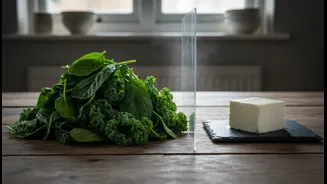
At a basic level, iron and calcium are rivals. When you consume them in the same meal, they compete to be absorbed by your body. Calcium, especially in larger amounts, often wins this battle, significantly reducing the amount of iron your body can take
in. This is a particular concern in India, where many meals might combine iron-rich lentils (dal) or beans (rajma) with calcium-rich dairy like curd (dahi) or cheese (paneer). Studies have shown that calcium can inhibit the absorption of plant-based iron by as much as 50-60%. Since a large portion of the Indian population relies on plant-based (non-heme) iron, which is already harder for the body to absorb, understanding this conflict is the first step toward solving it.
Know Your Kitchen's Nutrient Heroes
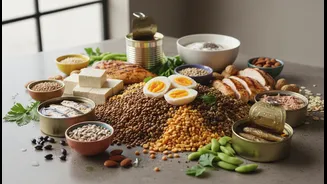
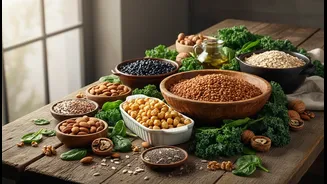
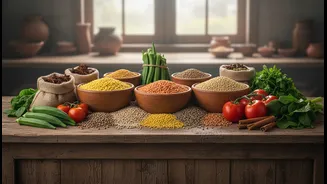
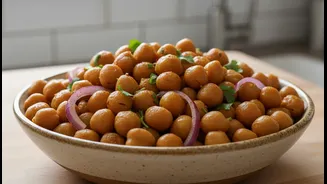
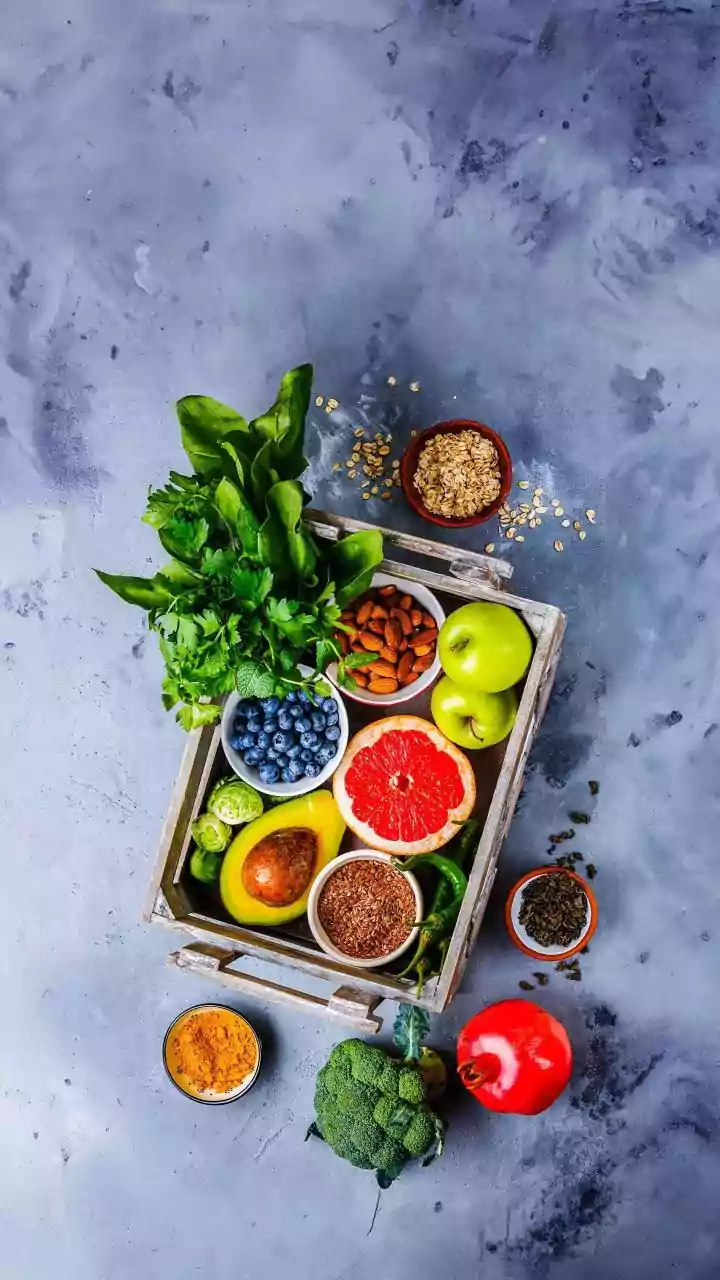
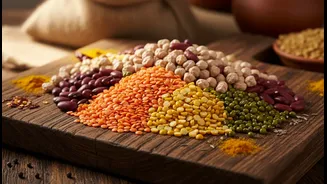
Before restructuring meals, it's essential to identify your primary sources for each mineral. Many foods are staples in the Indian kitchen. For Iron: Focus on lentils (dal), chickpeas (chana), kidney beans (rajma), black-eyed peas (lobia), spinach, fenugreek leaves (methi), millets like bajra and ragi, sesame seeds (til), and garden cress seeds (halim). Animal sources like eggs and lean meats are also excellent. For Calcium: Dairy is the most well-known source, including milk, yogurt (curd), and paneer. Beyond dairy, look to ragi (finger millet), soybeans and its products like tofu, sesame seeds, almonds, and leafy greens like amaranth.
The Simple Secret: Smart Meal Timing
The most effective strategy to ensure you get both minerals is not to eat them together in large amounts. The key is separation. Try to plan your meals so that your iron-rich dishes and calcium-rich dishes are eaten a few hours apart. A practical approach is to structure your day's meals with a specific focus. For instance, you could make breakfast and your evening snack calcium-focused, while lunch and dinner are designed to be iron-centric. This simple change prevents the direct competition between the two minerals in your gut, allowing your body to make the most of each nutrient from your food.
Supercharge Iron Absorption with Vitamin C
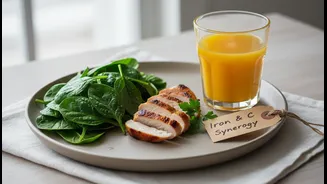
For plant-based iron to be absorbed effectively, it needs a helper. Vitamin C is iron's best friend. It dramatically increases the absorption of non-heme iron, even helping to overcome the negative effects of inhibitors like phytates and calcium. The good news is that Indian cuisine is full of Vitamin C-rich ingredients. Try to pair every iron-rich meal with a source of Vitamin C. This can be as simple as squeezing lemon juice over your dal and sabzi, having a side of tomato-onion salad, or incorporating amla (Indian gooseberry) or bell peppers (capsicum) into your cooking.
Mind the Common 'Blockers' at Mealtimes
Besides calcium, other common elements in an Indian diet can block iron absorption. The most significant are tannins found in tea and coffee. Having your morning or evening chai right after an iron-rich meal can slash absorption rates. The simple fix is to leave a gap of at least an hour between your main meals and your tea or coffee. Another set of inhibitors are phytates, found in the outer layer of whole grains and legumes. While these foods are healthy, their phytate content can bind to iron. You can reduce this effect by employing traditional methods like soaking lentils and beans for a few hours or sprouting them before cooking.
A Sample Day of Smart Eating
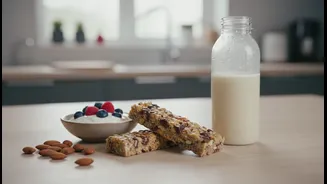
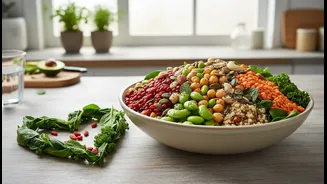
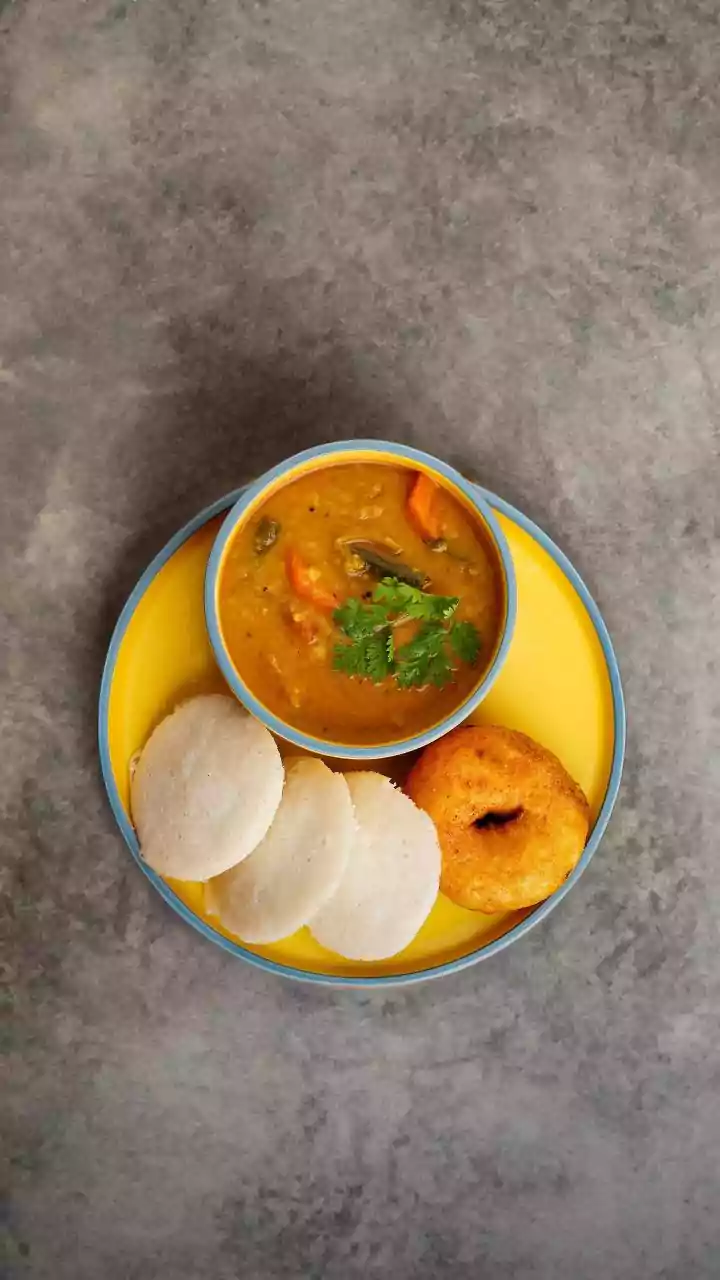
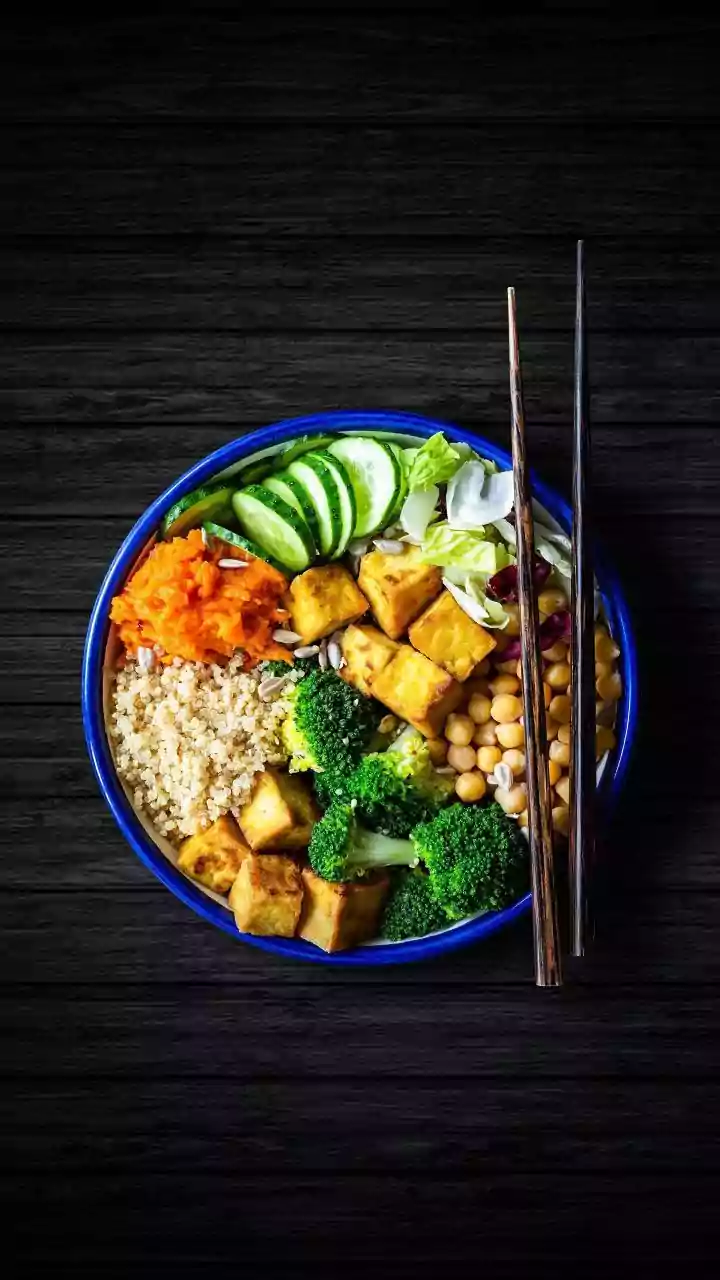
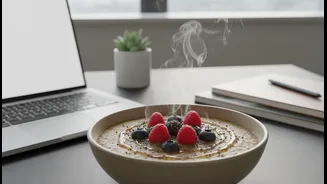
Here is what a day of restructured meals could look like: Breakfast (Calcium-focused): A bowl of ragi porridge with milk and almonds, or a glass of milk with a side of fruit. Lunch (Iron-focused): A hearty bowl of dal or chana masala, served with brown rice or roti, a mixed vegetable sabzi, and a generous tomato and cucumber salad with a lemon dressing. Evening Snack (Calcium-focused): A small bowl of curd with roasted seeds or a fruit smoothie with yogurt. Dinner (Iron-focused): Bajra roti with a leafy green vegetable like methi or spinach (lightly cooked to reduce oxalates), paired with a side of lentil soup. Remember to add a squeeze of lemon.