





1. The Elegant Peace Lily
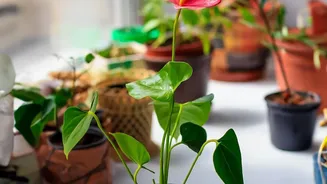
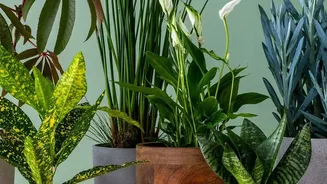
The Peace Lily, with its glossy dark leaves and iconic white blooms, is more than just a pretty face. This plant is known for its ability to absorb moisture from the air through its leaves. It's a great choice for bathrooms or kitchens, which tend to have
higher humidity. Peace Lilies are also excellent communicators; their leaves will droop dramatically when they need water, making them very easy to care for. They thrive in moderate, indirect light and can even tolerate lower light conditions, making them a versatile addition to any room that needs a touch of green and a bit less moisture.
2. The Hardy Spider Plant
A favourite among both new and experienced plant owners, the Spider Plant is exceptionally resilient and effective. It excels at absorbing excess moisture and is a powerhouse in purifying the air, tackling common pollutants like carbon monoxide and xylene. These plants store water in their thick roots, making them forgiving if you occasionally forget to water them. They prefer bright, indirect sunlight but are adaptable to various conditions. As a bonus, they produce small 'spiderettes' or baby plants that can be easily repotted, allowing you to expand your green army against dampness for free.
3. The Lush Boston Fern
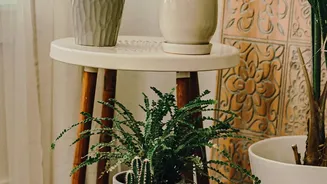
Boston Ferns are natural-born dehumidifiers. Native to tropical regions, they thrive in humid environments and absorb moisture directly through their feathery fronds. This makes them an ideal plant for the dampest corners of your home. They are also fantastic air purifiers, known to remove toxins like formaldehyde from the air. To keep a Boston Fern happy, its soil should remain consistently moist, and it appreciates a regular misting. While it requires a bit more attention to humidity than a Snake Plant, its ability to combat dampness is well worth the effort.
4. The Resilient Snake Plant
Known for being nearly indestructible, the Snake Plant is a superb choice for those seeking a low-maintenance option. While many plants release moisture through transpiration, the Snake Plant is more known for its incredible hardiness and air-purifying qualities, including releasing oxygen at night. It is highly tolerant of dry conditions and typical indoor humidity levels, making it less of a humidity-absorber and more of a plant that won't suffer in a damp room. Use a well-draining soil mix, and be careful not to overwater, as it stores water in its leaves. Its tolerance makes it perfect for bedrooms and living rooms.
5. The Versatile English Ivy
English Ivy is a classic choice, known for its elegant trailing vines and air-cleaning prowess. Research has shown that it can be particularly effective at absorbing airborne mould spores, which often accompany damp conditions. It's an excellent plant for bathrooms and other humid areas with lower light. By climbing or trailing, it can help absorb moisture in musty corners. English Ivy is a fast grower and requires soil to be kept moist but not waterlogged. Its ability to thrive in a variety of indoor settings makes it a powerful and beautiful tool against rainy-day dampness.
A Simple Boost: Clay Dehumidifiers
Beyond plants, another simple, non-electric solution is the clay dehumidifier. These are typically small pots or bags filled with natural clay materials like bentonite or montmorillonite clay. The clay works through adsorption, meaning its porous structure naturally traps water molecules from the air, reducing humidity in the immediate vicinity. They require no power and are completely silent, making them perfect for small, enclosed spaces like wardrobes, cabinets, or small bathrooms. While they won't dehumidify an entire apartment like an electric unit, they are a cost-effective and eco-friendly way to target specific problem areas.