








What Are Critical Minerals and Why Recycle Them?
Critical minerals are elements essential for modern technologies, especially those vital for the green economy and national security. Think of lithium, cobalt, and nickel for electric vehicle (EV) batteries, rare earth elements for wind turbines and electronics,
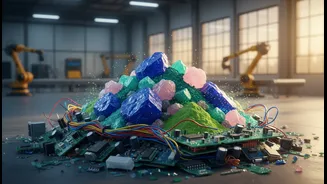
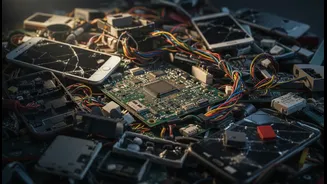
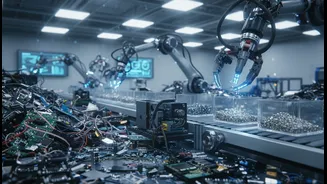
and graphite for energy storage. India is almost entirely import-dependent for many of these, creating significant economic and geopolitical risks. Traditional mining is also environmentally costly. Recycling, or 'urban mining,' is the answer. It involves extracting these valuable materials from spent sources like old batteries, electronic waste (e-waste), and industrial scrap. This approach builds a circular economy, reduces import bills, and secures a domestic supply chain for India’s ambitious manufacturing goals.
The Government's Big Push: Policy and Ambition
The Government of India has decisively shifted gears to promote this sector. The National Critical Mineral Mission (NCMM), launched in 2025, is the flagship initiative driving this change. As part of the mission, a ₹1,500 crore incentive scheme has been approved to boost domestic recycling capacity. This six-year program, running until 2031, provides capital subsidies and operational incentives to both large companies and startups entering the recycling space. The goal is to develop significant annual recycling capacity, turning industrial and consumer waste into a strategic national asset and reducing reliance on volatile global supply chains. These policies, combined with strengthened E-waste Management Rules, create a powerful framework to formalise and scale up the industry.
For Engineering Students: A Curriculum for the Future
This new focus on mineral recycling is a game-changer for engineering education. Universities and technical institutes will need to adapt their curricula to produce graduates ready for this 'green-collar' industry. Students can expect a rise in demand for interdisciplinary skills that blend chemical engineering, metallurgy, environmental science, and data analytics. Specialisations in hydrometallurgy, pyrometallurgy, and material science will become highly sought after. Aspiring engineers should look for programs that offer hands-on experience with mineral recovery processes and technologies for extracting materials from e-waste and batteries. The industry will need innovators who can improve recovery efficiency and develop cost-effective, environmentally friendly recycling technologies.
For Jobseekers: The Emerging Green-Collar Boom
The push into critical mineral recycling is set to create a wave of new jobs. The government estimates the recycling initiative alone could generate around 70,000 direct and indirect jobs. These aren't just traditional factory roles. The sector will need skilled professionals across the value chain, including process engineers, plant managers, supply chain experts for 'urban mining' logistics, and R&D scientists. Companies like Rubamin and Lohum Cleantech are already pioneering this space, building teams of metallurgists, chemists, and analysts. Job portals are beginning to list roles for 'critical mineral specialists,' signalling a shift where expertise in sustainability and resource recovery becomes a prime qualification.
For Clean-Tech Businesses: A New Industrial Frontier
For entrepreneurs and clean-tech businesses, this is a ground-floor opportunity. The government's incentive scheme is explicitly designed to support new entrants and smaller players, setting aside one-third of the funding for them. Business models can range from specialised recycling units focusing on a single feedstock like EV batteries to integrated facilities that recover minerals and use them in new manufacturing. There are also massive opportunities in developing and supplying advanced recycling technologies, creating AI-driven software to trace and manage e-waste, and providing consultancy services for setting up compliant recycling operations. With strong policy support and clear market demand, the critical mineral recycling sector represents a new, profitable frontier for Indian innovation.