





The Monsoon's Call for Comfort
There are few culinary pairings as deeply ingrained in the Indian psyche as pakoras and rain. It’s a connection that transcends mere taste; it’s a cultural reflex, a tradition steeped in comfort and nostalgia. When the monsoon arrives, signalling a break
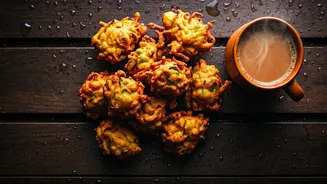
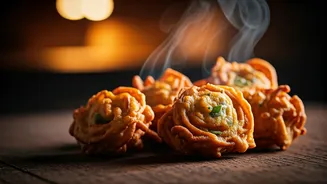
from the scorching summer heat, the change in weather triggers a collective desire for something warm, savoury, and deeply satisfying. The humble pakora, a simple fritter made from gram flour (besan) batter mixed with vegetables or paneer, answers that call perfectly. It’s not just a snack; it’s the edible embodiment of a cosy, rain-drenched evening spent indoors, safe from the downpour.
A Symphony for the Senses
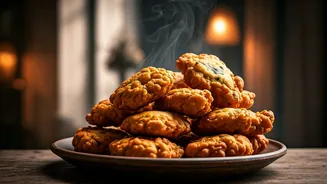
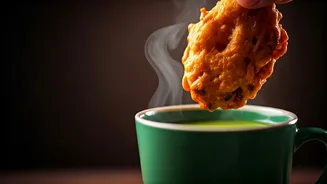
The magic of the rain-pakora ritual lies in its multi-sensory appeal. It begins with the soundscape: the rhythmic drumming of raindrops on the windowpane harmonising with the insistent sizzle of batter meeting hot oil in the kitchen. Then comes the aroma. As the pakoras fry to a golden-brown crisp, a nutty, savoury fragrance wafts through the house, mingling with the earthy scent of the wet soil outside. Finally, the tactile pleasure of picking up a hot, slightly greasy pakora, feeling its rough, crunchy exterior give way to a soft, steaming interior. Each bite is a delightful contrast of textures and temperatures, especially when dipped in a cool, tangy chutney. It’s a complete sensory experience that makes the moment feel whole and perfect.
More Than Just a Snack
While the pakora itself is delicious, its true power lies in its ability to bring people together. The act of making and sharing pakoras on a rainy day is a communal event. It’s the spontaneous decision that sends someone to the kitchen to slice onions and mix batter. It’s the family gathering in the living room or on the veranda, plates of assorted fritters being passed around. These moments are punctuated by conversations, laughter, and the shared joy of a simple pleasure. In this context, the pakora is a catalyst for connection, a tradition that strengthens bonds between family and friends. It’s a food that is intrinsically linked to memory-making, evoking childhoods spent watching the rain with a plate of mother’s or grandmother’s perfectly imperfect pakoras.
A Pakora for Every Palate
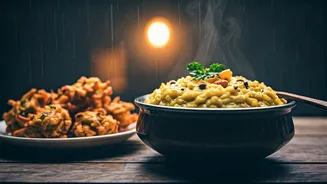
Part of the enduring appeal of the pakora is its incredible versatility. While the classic onion (pyaaz) and potato (aloo) pakoras remain undisputed favourites, the possibilities are nearly endless. Every household has its own specialities. There’s the earthy goodness of palak (spinach) pakoras, the substantial bite of gobi (cauliflower) pakoras, and the melt-in-your-mouth luxury of paneer pakoras. Some even venture into bread pakoras, where slices of bread are stuffed, battered, and fried into a decadent treat. This diversity ensures there's a pakora for every taste and mood, allowing for endless experimentation in the kitchen. The base of spiced gram flour acts as a perfect canvas for whichever vegetable or protein you choose to celebrate.
The Essential Companions
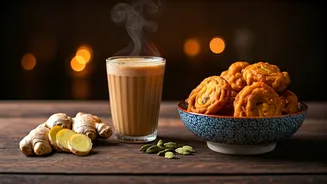
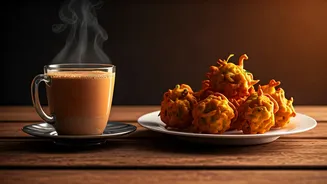
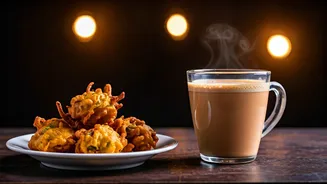
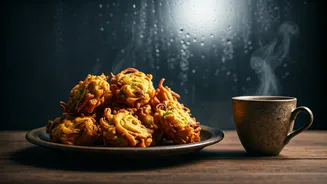
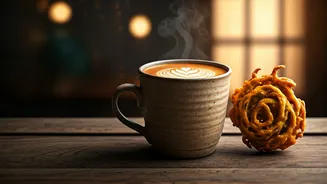
A plate of pakoras, however perfect, is incomplete without its trusted companions. First and foremost is a steaming cup of chai. The robust, spiced flavour of a well-made masala chai or a sharp adrak wali chai cuts through the richness of the fried snack, creating a perfectly balanced pairing. The warmth of the tea complements the hot fritters, making the entire experience feel even more comforting. The second essential element is the chutney. A vibrant green chutney made from mint and coriander provides a fresh, zesty counterpoint, while a sweet-and-sour tamarind chutney adds a layer of tangy complexity. Together, the pakora, the chai, and the chutney form a holy trinity of monsoon snacking, an unbeatable combination that defines rainy evenings for millions.