





Warning Sign 1: Itchy, Red, Circular Patches
If you notice intensely itchy, red, and often circular rashes, especially in skin folds, you might be looking at a fungal infection like ringworm. [13, 16] Fungi thrive in the warm, moist conditions typical of the Indian monsoon. [11] Damp clothes, prolonged
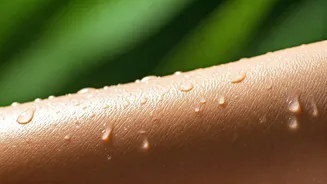
sweating, and poor ventilation create an ideal environment for these infections to grow. [14] Athlete's foot, which causes peeling and itching between the toes, and jock itch are other common fungal issues during this season. [13] **What to do:** Prioritise keeping your skin clean and, most importantly, dry. [22] Always change out of damp or wet clothes immediately. [5] Opt for loose-fitting, breathable cotton fabrics over synthetics to allow for better air circulation. [11, 19] Using an antifungal powder in moisture-prone areas like underarms, groin, and between the toes can be an effective preventive measure. [9, 22] Also, avoid sharing personal items like towels and clothing. [11]
Warning Sign 2: Sudden Acne and Breakouts
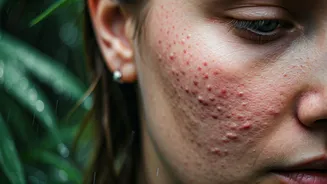
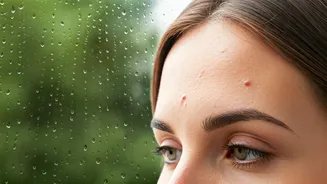
Many people experience a sudden increase in acne on the face, back, and chest during the monsoon. [15, 16] The high humidity stimulates your skin's glands to produce more oil (sebum). [5, 6] This excess oil, combined with sweat, dirt, and pollutants, clogs pores and creates a breeding ground for acne-causing bacteria. [15, 17] What might look like regular acne could also sometimes be fungal acne, which appears as small, itchy bumps and is also triggered by moisture. [20] **What to do:** A consistent cleansing routine is crucial. Wash your face twice a day with a gentle cleanser, preferably one containing salicylic acid, to help control oil and keep pores clear. [6, 8] Switch from heavy, oil-based creams to lightweight, non-comedogenic, and gel-based moisturisers. [3, 7] Even oily skin needs hydration; skipping moisturiser can cause your skin to produce even more oil to compensate. [8] And don't forget sunscreen—UV rays penetrate clouds, so a non-greasy, broad-spectrum sunscreen of at least SPF 30 is a must. [4, 6]
Warning Sign 3: Flare-ups of Dry, Itchy, Inflamed Skin
For those with conditions like eczema or dermatitis, the monsoon can be a challenging time. While you might think humidity would hydrate dry skin, it can have the opposite effect. [23] High humidity can disrupt the skin's barrier function, and constant sweating can irritate already sensitive skin, leading to flare-ups of red, dry, and intensely itchy rashes. [10, 14, 21] Environmental allergens like mold and dust mites, which are more prevalent in damp conditions, can also trigger these reactions. [26, 30] **What to do:** Wear loose, comfortable cotton clothing to minimize irritation from sweat. [10] It is important to continue moisturising regularly, even if the air feels moist. [24] Apply a gentle, fragrance-free moisturiser after bathing to lock in hydration. [24] Taking lukewarm showers instead of hot ones can also help, as hot water strips the skin of its natural protective oils. [21] If your symptoms are severe or don't improve, consulting a dermatologist is essential to get a proper diagnosis and treatment plan. [10]
Warning Sign 4: Excessive Greasiness and Dullness
Does your skin feel perpetually greasy, sticky, and look lifeless? This is a direct result of the monsoon's humidity kicking your oil glands into overdrive. [15] The stickiness attracts and traps dust and pollutants, leading to a dull complexion and clogged pores. [15, 20] Many people over-cleanse their face to combat this, but using harsh soaps can strip the skin's natural barrier, paradoxically leading to more oil production. [15, 18] **What to do:** Gentle exfoliation once or twice a week can work wonders. [4] It helps slough off dead skin cells that contribute to dullness and clogged pores, allowing your skin to breathe. [8] You can use a mild chemical exfoliant with AHAs or BHAs. [4] Using an alcohol-free toner after cleansing can help balance the skin's pH and remove any last traces of oil and dirt. [8] Also, stay hydrated by drinking plenty of water throughout the day to help flush toxins from your system and support skin health from within. [3, 29]