





An All-in-One Solution from Nature
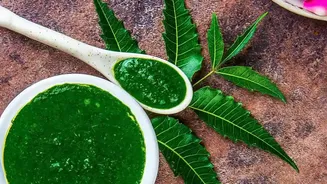
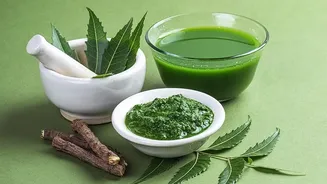
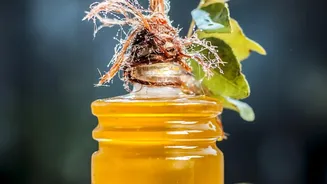
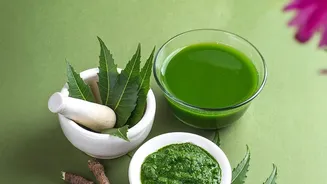
Neem oil is a vegetable oil pressed from the fruits and seeds of the neem tree (Azadirachta indica), an evergreen that is native to the Indian subcontinent. For centuries, it has been a cornerstone of traditional medicine and, more recently, has gained
global fame as a versatile tool in organic gardening. Unlike synthetic pesticides that are formulated for a single purpose, neem oil acts as a pesticide, a fungicide, and a miticide. This means it can tackle a wide array of problems, from insects like aphids and whiteflies to fungal diseases such as powdery mildew and black spot, making it a highly efficient addition to a gardener's toolkit.
How It Works Without Harsh Chemicals
The magic of neem oil lies in its primary active compound, Azadirachtin. This substance doesn't typically kill pests on immediate contact. Instead, it works in more subtle, strategic ways. It acts as an antifeedant, discouraging insects from eating your precious plants. It's also a growth regulator, disrupting the hormone systems of pests, which can prevent them from maturing, moulting, and laying eggs. For some smaller insects, a direct spray can also work by smothering them. This multi-pronged approach breaks the pest life cycle gradually but effectively, without the brute force of many chemical alternatives.
A Gentler Choice for the Ecosystem
One of the most compelling reasons gardeners prefer neem oil is its favourable environmental profile. Synthetic, broad-spectrum pesticides often create 'death zones', killing any insect they touch, including beneficial ones. This can be devastating for pollinators like bees and butterflies, as well as predatory insects like ladybugs that naturally help keep pests in check. While direct spray can harm bees, neem oil is generally considered safer for pollinators because it primarily targets insects that chew on plant leaves. To minimize risk, gardeners are advised to spray in the late evening or early morning when bees are not active, allowing the oil to dry. Furthermore, neem oil is biodegradable, breaking down relatively quickly in sunlight and soil, which prevents harmful, long-term buildup in the environment.
The Problem with Chemical Pesticides
In contrast, many conventional pesticides pose significant risks. They can be toxic to a wide range of organisms, including birds, fish, and crucial soil microbes. Runoff from gardens can carry these chemicals into waterways, causing broader environmental contamination. For humans and pets, exposure to chemical pesticides, whether through skin contact, inhalation, or residues on produce, is a serious concern. Studies have linked long-term exposure to a variety of health issues. There is also the issue of pest resistance; over time, insects can develop immunity to specific chemicals, requiring stronger or more frequent applications. Neem oil's complex composition makes it much harder for pests to develop such resistance.
Getting the Most Out of Your Neem Oil
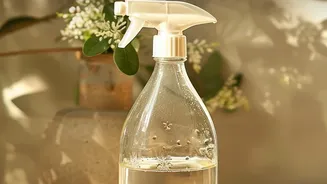
Using neem oil effectively is simple, but requires correct application. Pure, cold-pressed neem oil must be diluted in water. Because oil and water don't mix, you need to add an emulsifier, like a few drops of mild liquid soap, to help it combine. A standard ratio is about one teaspoon of neem oil per litre of water, but it's always best to follow the product's label. For best results, spray plants thoroughly, covering both the tops and undersides of leaves until they are dripping wet. Always do a 'spot test' on a single leaf 24 hours before spraying an entire plant to ensure it doesn't cause any foliage burn, and avoid spraying in direct, hot sun.