


Beyond the Familiar Menu
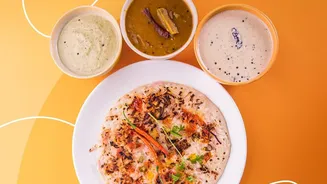
For decades, restaurant menus across India’s cities felt remarkably similar, dominated by a familiar roster of North Indian and pan-South Indian dishes. While classics like dal makhani and masala dosa remain beloved, a new wave of culinary curiosity is sweeping
the nation. Diners are no longer content with generic "Indian food"; they are seeking out meals that tell a story and reflect a specific place. This has given rise to the hyper-regional trend, where restaurants are proudly showcasing the distinct cuisines of smaller regions, communities, and even villages. Instead of just Bengali food, you might find specific dishes from Murshidabad's royal kitchens; rather than pan-Karnataka fare, you'll see menus dedicated to Kodava or Malnad cuisine. This movement away from homogenised offerings signals a major shift in what Indians want to eat when they dine out: authenticity, variety, and a connection to roots.
The Rise of the Home Chef
Much of this culinary awakening was accelerated by the pandemic, which saw the rise of the home chef. Confined to their homes, talented cooks began sharing and selling family recipes through social media and delivery platforms. This unlocked a treasure trove of dishes rarely found in commercial restaurants. Suddenly, you could order authentic, home-cooked meals that tasted like they came from a specific family kitchen, whether it was a fiery Naga pork curry or a delicately spiced Sindhi sai bhaji. These home chefs did more than just sell food; they became culinary educators, sharing the history and context behind their dishes. This not only created a new market for personalised, wholesome meals but also helped document and preserve recipes that might have otherwise been lost. Many have since turned their passion into professional businesses, collaborating with top hotels for pop-ups and proving that home cooking has a powerful place in the professional food scene.
A Search for Authentic Identity
The trend is about more than just new flavours; it's a cultural movement. For many, especially a younger generation of diners, exploring regional food is a way to connect with their heritage. In a globalised world, there is a growing desire for food that feels honest, personal, and tied to a specific identity. Diners are increasingly curious about the story behind their food—where the ingredients come from, who cooked it traditionally, and why the dish exists. This search for authenticity has pushed chefs and restaurants to look inward, moving away from international fusion and toward celebrating India's own immense biodiversity and culinary traditions. Fine dining is no longer just about European techniques; award-winning chefs are now curating tasting menus that celebrate forgotten recipes and indigenous ingredients, from hay-smoked mackerel in Goa to dishes featuring Himalayan herbs.
What It Means for Your Kitchen
This regional renaissance has exciting implications for the home cook. Firstly, access has never been better. The same social media platforms and food blogs that spotlighted home chefs are now vast libraries of regional recipes, complete with video tutorials and tips. Secondly, the supply chain is adapting. As restaurants demand hyperlocal ingredients like Naga ghost peppers or specific regional millets, these items become more accessible to consumers through online stores and specialised markets. This trend encourages home cooks to look at their own family histories and explore the dishes of their grandparents. It’s an invitation to move beyond standard cookbook recipes and rediscover the joy of cooking food that is deeply connected to your own community and climate, preserving your own culinary heritage one meal at a time.