




An Instinct to Hide the Hurt
Pets are masters of hiding pain. It is a survival instinct passed down from their wild ancestors, where showing weakness could make them vulnerable. This is why a dog or cat with a painful mouth will often continue to eat, play, and act normally. Unfortunately,
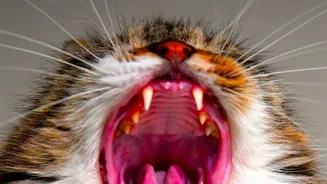
this stoicism means that periodontal disease—an infection of the gums and structures supporting the teeth—is one of the most common and under-treated conditions in veterinary medicine. In fact, studies show that by the age of three, over 70% of cats and 80% of dogs have some form of dental disease. The problem starts with plaque, a film of bacteria that hardens into tartar. This buildup leads to inflamed gums (gingivitis), and if left untreated, the infection can spread below the gumline, destroying tissue and bone.
Decoding the Subtle Signs of Pain
Since our pets cannot tell us what is wrong, it falls on owners to become detectives. The most obvious sign people notice is persistent bad breath, which should never be dismissed as 'normal'. But there are many other subtle clues. You might notice your pet chewing more slowly, dropping food from their mouth, or suddenly preferring soft food over their usual kibble. A pet that once loved chew toys might lose interest or become reluctant to play fetch. Other behavioural changes can include pawing at the face, rubbing their head against furniture, drooling more than usual, or becoming irritable and withdrawn. Any change in behaviour, especially around mealtimes, can be a red flag that something is wrong in their mouth.
More Than Just a Toothache
Untreated dental disease is not just a problem for the mouth; it can have serious consequences for a pet's entire body. The bacteria breeding in an infected mouth can enter the bloodstream through the inflamed gum tissue. Once circulating, these bacteria can travel to vital organs. There is a well-documented link between advanced periodontal disease and heart issues, as bacteria can cause inflammation of the heart's lining or valves. The kidneys and liver, which work to filter toxins from the blood, can also be damaged by the constant exposure to oral bacteria and the body's inflammatory response. In severe cases, the infection can weaken the jawbone, leading to fractures, especially in smaller dog breeds.
Prevention and Professional Care
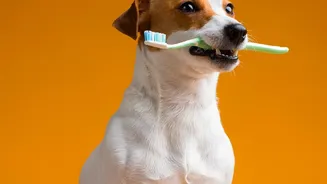
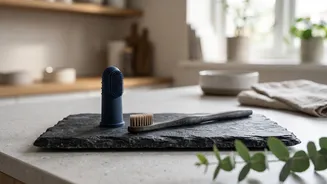
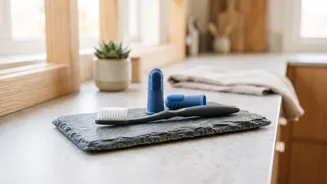
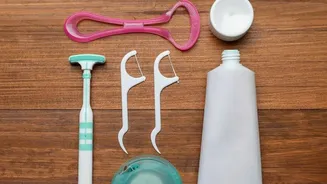
The good news is that periodontal disease is largely preventable. The gold standard for at-home care is daily tooth brushing with a pet-specific toothpaste. It may take patience to get your pet accustomed to it, but it is the most effective way to remove daily plaque buildup. Special dental diets, chews, and water additives can also support oral hygiene, but they complement brushing rather than replace it. Just as important are regular veterinary check-ups. Your vet can spot the early signs of trouble, like red gums or tartar. A professional dental cleaning, performed under anaesthesia, is the only way to safely and thoroughly clean below the gumline and take dental X-rays to assess the health of the tooth roots. This allows your veterinarian to treat existing problems and prevent them from worsening.