





The Overlooked Breeding Ground
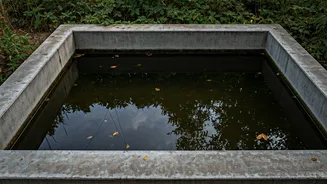
The single biggest mistake many of us make is focusing only on large, obvious sources of stagnant water. We cover the overhead tanks, empty the water coolers, and turn over buckets. While these are essential steps, they primarily target mosquitoes like
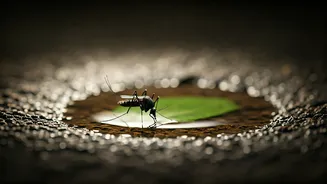
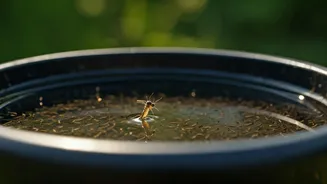
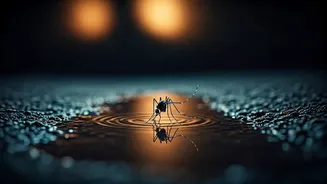
Anopheles, the carrier of malaria. However, the greater urban menace during the monsoon is often the Aedes aegypti mosquito, which transmits dengue, chikungunya, and Zika virus. This mosquito is different. It doesn’t need a pond or a large drum to breed; it thrives in small, often tiny, amounts of clean, stagnant water. The mistake, therefore, is not a lack of effort but a lack of precision. We are looking for lakes when we should be looking for teaspoons of water hidden in plain sight.
Meet the Aedes Mosquito
Understanding your adversary is the first step to defeating it. The Aedes aegypti mosquito is a highly adapted urban dweller. Unlike other mosquitoes that are active at dawn and dusk, the Aedes is a daytime biter, making you vulnerable throughout the day, even indoors. Its eggs can survive in dry conditions for months, hatching as soon as they come into contact with water. A female Aedes mosquito can lay hundreds of eggs in her short lifetime, and she doesn't need much water to do it. A capful of water is enough. This is why a single forgotten plant saucer or a clogged drain can lead to a sudden explosion in the mosquito population in and around your home, significantly increasing the risk of disease for your family.
A Checklist of Hidden Dangers
To truly mosquito-proof your home, you need to think like a mosquito. Where can a small amount of water collect undisturbed for a week? Conduct a weekly audit of these often-missed spots: - **Plant Saucers and Trays:** The trays under your potted plants are the most common culprits. Empty them daily or fill them with sand. - **Refrigerator Drip Tray:** The tray at the back of your fridge collects condensation and is a perfect, warm breeding ground. Clean it weekly. - **Air Conditioner (AC) Trays:** Both window and split ACs have drainage pipes and trays that can collect water. - **Clogged Gutters and Drains:** Rainwater gutters on roofs and drains on balconies often get blocked by leaves and debris, creating stagnant pools. - **Ornamental Items:** Decorative fountains, bird baths, and even discarded tyres or coconut shells in the garden can collect rainwater. - **Indoor Items:** Don't forget indoor sources like vases with flowers (change the water every two days) and feng shui water features.
Your Weekly Prevention Ritual
Fighting mosquitoes isn't a one-time task; it requires a consistent weekly routine. Designate one day a week as 'Dry Day' to inspect and eliminate all sources of stagnant water. This simple habit disrupts the mosquito breeding cycle, as it takes about 7-10 days for eggs to develop into adult mosquitoes. When you empty a container, don't just pour out the water. Scrub the sides thoroughly to remove any eggs that may have stuck to the surface. For water bodies that cannot be drained, such as ornamental ponds, consider introducing larvivorous fish like guppies or using approved chemical larvicides as recommended by local health authorities.
Add Layers of Personal Protection
While eliminating breeding grounds is the most effective long-term strategy, personal protection is crucial, especially during peak mosquito season. Use mosquito repellents containing DEET, picaridin, or oil of lemon eucalyptus on exposed skin. Wear light-coloured, loose-fitting clothing that covers your arms and legs, particularly during the day when Aedes mosquitoes are active. Install screens on windows and doors to prevent mosquitoes from entering your home. For added protection during sleep, especially for children and the elderly, use a mosquito net. Combining these personal safety measures with a vigilant home environment check creates a robust defence against mosquito-borne diseases.