





The Brains in the Back
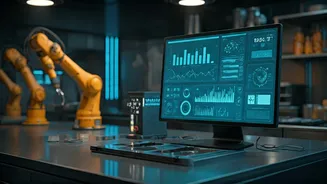
The most significant changes are happening where customers can't see them. In the back-of-house, artificial intelligence is becoming the new sous chef. AI-powered systems now predict customer traffic with startling accuracy, analyzing past sales data,
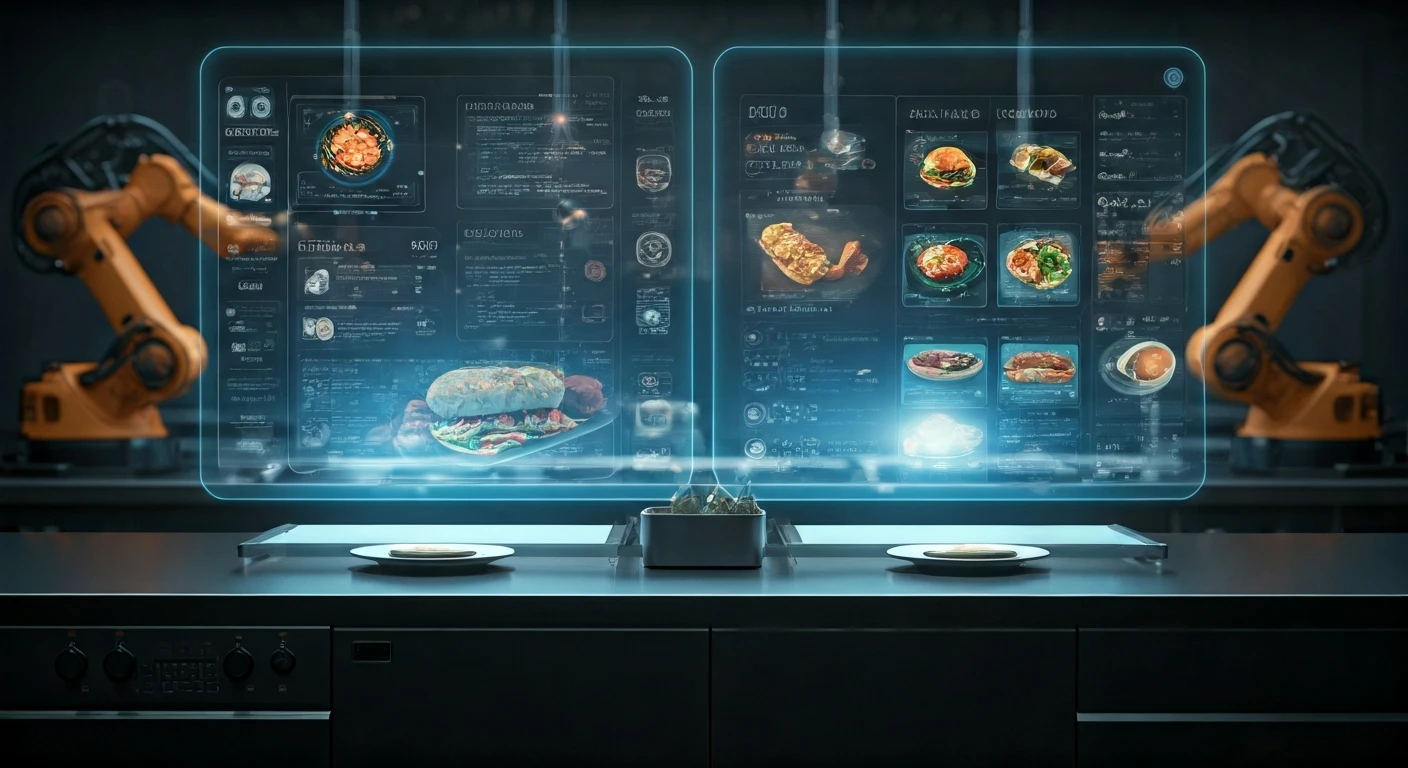
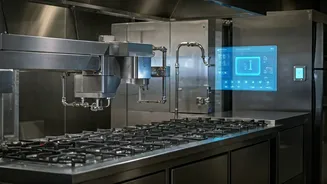
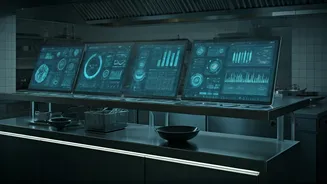
weather, and even local events to optimize staffing schedules and inventory. This means fewer instances of running out of a popular dish and a significant reduction in food waste, as predictive ordering prevents overstocking. Digital kitchen display systems have replaced paper tickets, streamlining communication and reducing errors. These smart screens track order progress, manage prep times, and ensure every plate is accurate before it leaves the kitchen, boosting efficiency during the busiest hours.
Automation on the Menu
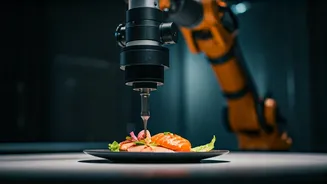
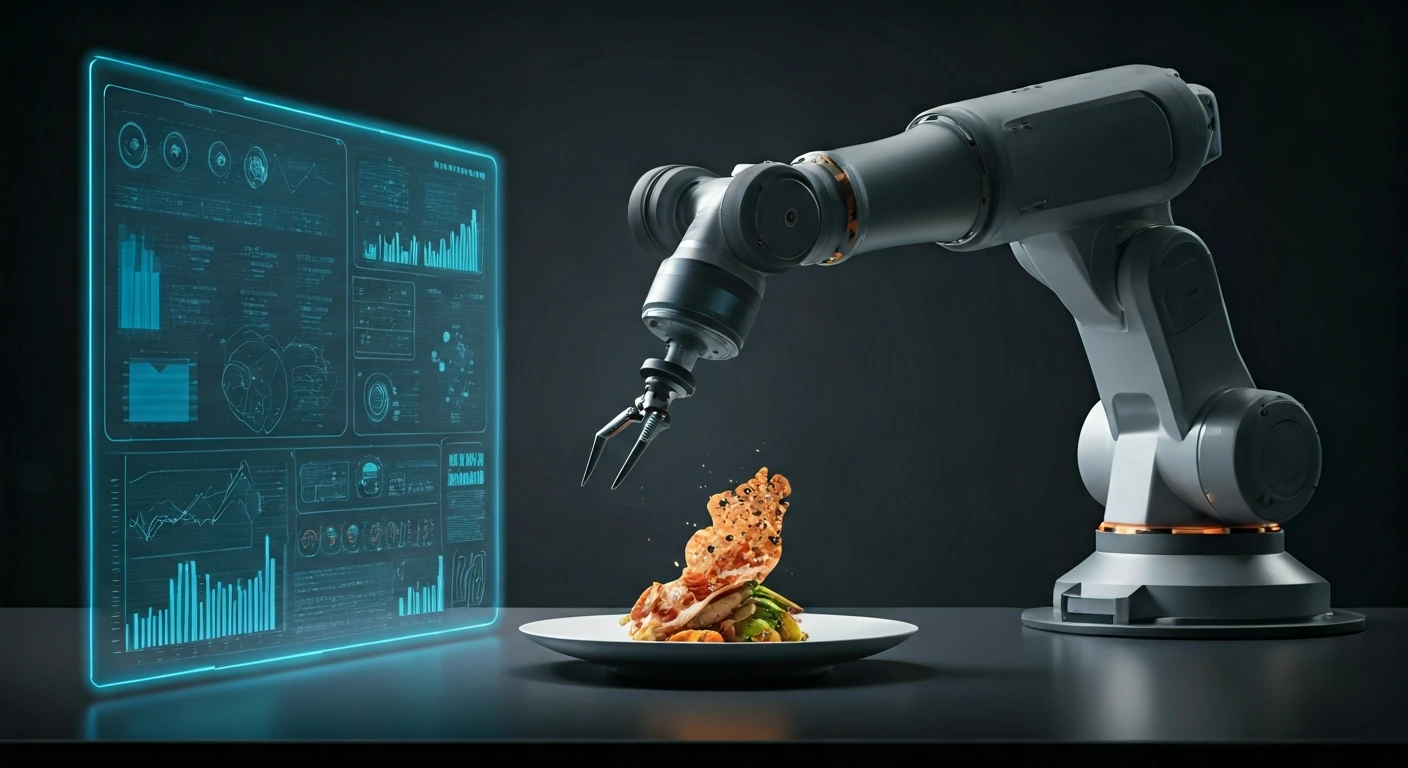
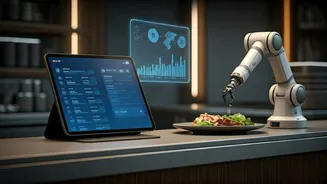
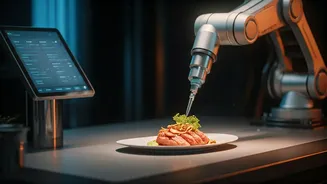
While fully robotic kitchens are still more of a novelty, targeted automation is becoming common. Companies are deploying robots for specific, repetitive tasks. Think of 'Autocado,' a machine that preps avocados, or robotic fryers that maintain perfect temperature and timing. This frees up human staff to focus on more complex culinary tasks and customer-facing hospitality. The goal isn't to replace chefs but to augment them, creating a more consistent product and a less strenuous work environment. This approach allows restaurants to scale popular items without sacrificing quality or overwhelming their staff.
A More Personalised Plate
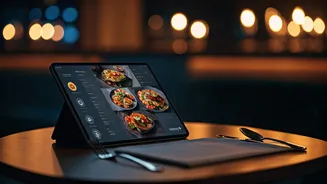
Up front, technology is making the dining experience faster, smoother, and surprisingly personal. The evolution of the Point of Sale (POS) system is central to this; modern cloud-based POS systems are the backbone of operations, integrating everything from sales and inventory to loyalty programs. AI is being used to power hyper-personalized recommendations and promotions. Loyalty apps now track your past orders to suggest new menu items you might like or offer a special deal on your favorite dish. Self-service kiosks and advanced mobile ordering apps reduce wait times and improve order accuracy, giving customers more control over their experience.
The Data-Driven Dining Room
Every order, reservation, and piece of feedback is now a data point. Restaurants are leveraging this information to make smarter decisions. By analyzing sales trends, they can optimize menus, removing unpopular items and highlighting profitable ones. Reservation systems have become sophisticated tools for managing tables and waitlists, sending text notifications when a table is ready to prevent congestion at the host stand. This data-driven approach extends to the delivery ecosystem, where performance metrics like speed and accuracy directly influence a restaurant's visibility on popular apps. A unified digital ecosystem, where the POS, kitchen, and online ordering platforms are all connected, ensures data flows smoothly and provides a consistent customer experience.
The Enduring Value of Human Touch
Despite the rise of automation, the industry is learning that technology is a tool, not a replacement for hospitality. Many of the most successful tech integrations are those that automate tedious tasks, freeing up employees to focus on what matters most: the guest experience. An AI chatbot can handle routine reservations, allowing a human host to greet arrivals warmly. A self-ordering kiosk can speed up a lunch rush, giving staff more time to ensure the dining room is clean and welcoming. The tech glow-up isn't about creating a cold, robotic dining future. Instead, it's about using intelligent tools to build a more efficient, resilient, and customer-focused restaurant industry that can thrive in a competitive market.