








The Compound in the Spotlight: Myristicin
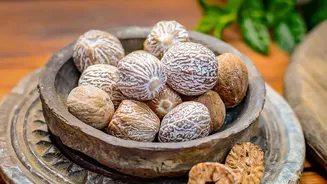
Myristicin is a naturally occurring compound found in the essential oil of the nutmeg seed (Myristica fragrans). It is responsible for the spice's distinct aroma and flavour. While nutmeg contains the highest concentration, myristicin is also present
in smaller amounts in other plants like parsley, dill, and mace. In the world of botany, it acts as a natural insecticide. For humans, however, its properties are far more complex, acting as the primary source of both nutmeg’s potential therapeutic interest and its toxicity.
Claim: A Natural Brain Booster
For centuries, traditional medicine systems, particularly in India and other parts of Asia, have used nutmeg to treat everything from anxiety and stomach ailments to sleeplessness. Modern wellness trends have picked up on this, with claims that nutmeg can enhance memory, improve mood, and even protect against neurodegenerative diseases like Alzheimer's. Some preliminary studies and folk wisdom suggest myristicin may have antidepressant-like and stimulating effects on the brain. These claims are rooted in myristicin's potential to interact with various enzymes and neurotransmitter systems in the brain.
Reality: The Science Is Murky and Limited
While the claims are intriguing, robust scientific evidence in humans is lacking. Most research on myristicin's brain benefits comes from preclinical studies on animals or in labs. Some studies on rodents have shown that nutmeg extracts might protect against memory impairment or reduce cellular damage through antioxidant activity. Isolated myristicin has demonstrated antioxidant and anti-inflammatory properties in lab settings, which are theoretically beneficial for brain health. However, these studies often use concentrated extracts, not the small amounts of spice used in cooking. There is a significant gap between these preliminary findings and proving that a sprinkle of nutmeg can meaningfully boost your brainpower or prevent disease.
The Dark Side: Myristicin's Toxicity
This is where the conversation shifts from wellness to warning. When consumed in large doses, myristicin is a well-documented toxin with psychoactive effects. It is not a gentle psychedelic; its effects are often described as deliriant. Ingesting large quantities of nutmeg—typically 5 grams (about two teaspoons) or more—can lead to myristicin poisoning. Symptoms can appear within a few hours and last for days, including severe nausea, dizziness, rapid heartbeat, agitation, disorientation, and intense, unpleasant hallucinations. The body metabolizes myristicin into compounds that can affect the central nervous system, and there's speculation it may convert to an amphetamine-like substance, though this hasn't been definitively proven in humans.
Finding the Safe Zone: Spice vs. Substance
The distinction between using nutmeg as a culinary spice and abusing it as a substance is critical. The amount of nutmeg used in any standard recipe—a quarter or half teaspoon distributed throughout an entire dish—is perfectly safe and far below the toxic threshold. You will not experience any adverse effects from enjoying a slice of pumpkin pie or a spiced latte. The danger arises from intentional ingestion of large quantities, often by teenagers or individuals seeking a cheap, accessible high, which can result in serious illness, organ damage, and in rare cases when combined with other drugs, even death. The toxic dose is estimated to begin around 5 to 10 grams of ground nutmeg, which is many times more than you would ever use in cooking.