




The Mountain Holiday Paradox
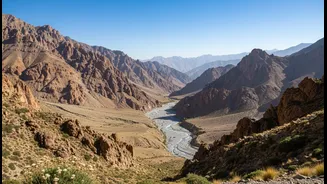
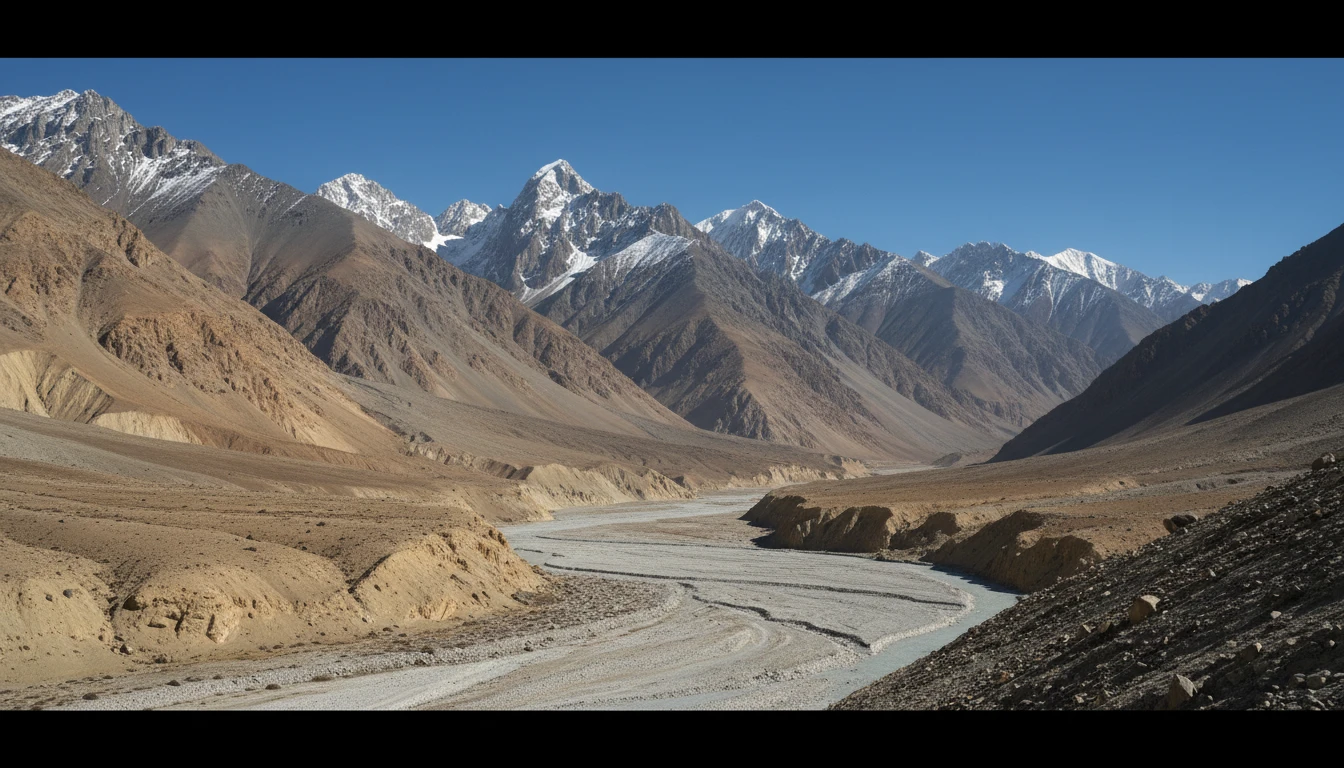
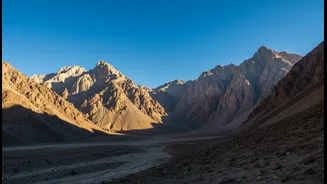
For countless Indian travellers, the allure of the high Himalayas is irresistible. Places like Ladakh, Spiti, and parts of Uttarakhand and Himachal Pradesh promise a dramatic escape from the bustle of city life, offering jaw-dropping landscapes and a sense
of profound peace. We save up, book our flights, and pack our bags, dreaming of those picture-perfect moments. Yet, a common mistake turns this dream trip into a difficult, and sometimes dangerous, ordeal. In our eagerness to see everything—to tick off every monastery, lake, and high-altitude pass from a viral social media post—we plan itineraries that are too ambitious. We fly into high-altitude airports like Leh (3,500 metres) and expect to start exploring immediately. This combination of 'arriving high' and 'moving fast' is a recipe for discomfort, undermining the very reason we chose to travel in the first place.
What 'Arriving High' Does to Your Body
The primary danger of a rapid ascent to high altitude is a condition called Acute Mountain Sickness (AMS). It is the body's response to lower oxygen levels in the atmosphere. Symptoms often mimic a bad hangover: a persistent headache is the most common sign, often accompanied by dizziness, fatigue, nausea, loss of appetite, and difficulty sleeping. These symptoms can appear within a few hours to a day after arrival. It’s a misconception that AMS only affects the unfit; it can strike anyone, regardless of age, gender, or physical fitness. In most cases, AMS is mild. However, ignoring these initial warning signs and continuing to ascend or exert yourself can lead to more severe, life-threatening conditions like High-Altitude Pulmonary Edema (HAPE), where fluid builds up in the lungs, or High-Altitude Cerebral Edema (HACE), which involves swelling of the brain.
The Golden Rule: Acclimatise, Acclimatise, Acclimatise
The only reliable way to prevent altitude sickness is to give your body time to adjust. This process is called acclimatization. For destinations like Leh, which sits at over 11,000 feet, flying in means a very rapid ascent. The non-negotiable rule is to rest completely for the first 24 to 48 hours. This doesn't mean gentle strolls around the market; it means staying in your hotel, resting, and doing as little as possible. During this time, your body begins the acclimatization process. A cardinal rule is to stay hydrated by drinking plenty of water—at least 3-4 litres a day. Avoid alcohol, smoking, and sleeping pills, as they can slow your breathing rate and worsen symptoms. Eating light, high-carbohydrate meals also helps, as carbs require less oxygen to digest.
Designing a Slower, Smarter Itinerary
Once you accept the need for acclimatization, you can build a more intelligent travel plan. After your initial rest days in a place like Leh, plan subsequent days with the principle of "climb high, sleep low." This means you can take day trips to higher passes like Khardung La, but you should return to a lower altitude to sleep. A sensible plan is to avoid increasing your sleeping altitude by more than 300-500 metres per day once you are above 3,000 metres. For a trip to Ladakh, this means spending at least two full days in Leh before even thinking about heading to higher destinations like Pangong Tso or Tso Moriri. It's crucial to listen to your body; if you start feeling unwell, do not ascend further until your symptoms subside. If symptoms worsen, the only cure is to descend to a lower altitude immediately.
The Joy of Not Rushing
Beyond the physiological necessity, there is a deeper wisdom in slowing down. The 'fast travel' mindset of ticking off a checklist of sights often leads to a shallow experience. You might get the photos, but you miss the feeling of a place. Slow travel, in contrast, is about immersion. It’s about spending enough time in one location to connect with it, to observe the local life, to sit in a café without feeling rushed, and to allow for spontaneous discoveries. This approach is not only more relaxing and fulfilling but also often cheaper, as you spend less on constant transportation. You come back from your holiday feeling genuinely refreshed, not needing a 'vacation from your vacation'. Your memories become richer and more distinct, anchored in meaningful experiences rather than a blur of transit.