





A Sanctuary Suddenly in the Spotlight
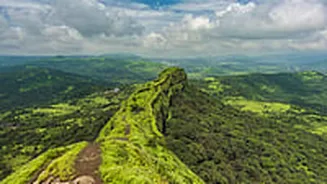
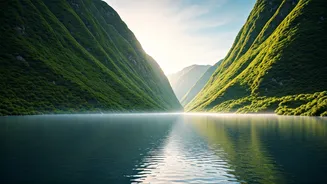
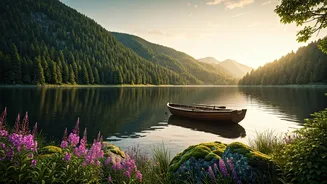
For years, Bhandardara existed as a serene getaway, primarily known among trekkers and those looking to escape the clamour of nearby Mumbai and Pune. Its geography is its poetry: the imposing Wilson Dam holding back the vast, placid Arthur Lake, surrounded
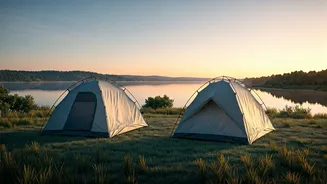
by rolling hills and historic peaks like Mount Kalsubai, Maharashtra's highest. It was a place for quiet contemplation, monsoon treks, and listening to the rhythms of rural life. But the definition of a 'getaway' has changed, and Bhandardara finds itself at the centre of a significant travel trend. The once-sleepy roads leading to the dam now see a steady stream of cars on weekends, and the quiet shores of the lake are dotted with colourful tents.
The Post-Pandemic Pull
The surge in Bhandardara's popularity isn't accidental; it's a direct consequence of shifting travel priorities in a post-pandemic world. After months of confinement, urban dwellers developed a powerful craving for open spaces, fresh air, and nature. Destinations that were a comfortable drive away became infinitely more appealing than those requiring flights. Bhandardara, just a few hours from two of India's largest metros, was perfectly positioned. It offered exactly what people were missing: sprawling landscapes, starlit skies, and a sense of freedom. This desire for domestic, driveable, nature-centric holidays has turned dozens of similar locations into weekend hotspots, but Bhandardara's unique blend of water, mountains, and accessibility has made it a breakout star.
Lakeside Camping and the Instagram Effect
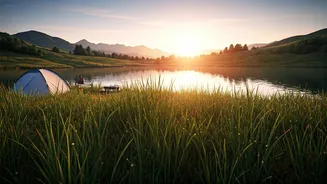
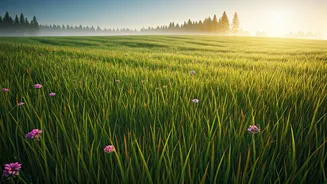
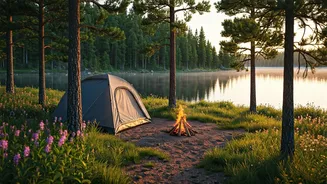
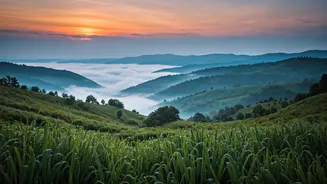
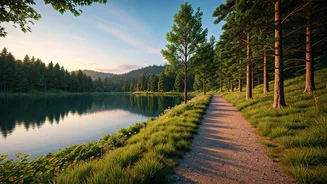
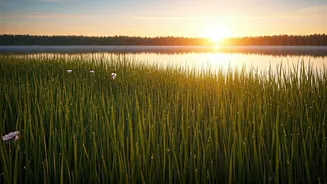
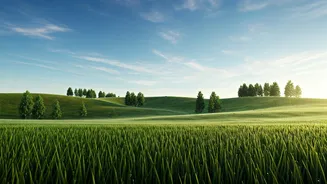
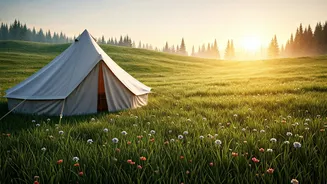
The 'eco-tourist' label is largely driven by one particular activity: lakeside camping. Local entrepreneurs have set up dozens of campsites along the perimeter of Arthur Lake, offering a package deal of a tent, bonfire, simple meals, and unparalleled views. This experience is tailor-made for social media. A photo of a glowing tent against a backdrop of a star-filled sky or a misty morning lake is instantly compelling. Instagram and other visual platforms have acted as powerful, unregulated marketing engines. A single viral reel of the pre-monsoon firefly spectacle or a drone shot of the emerald-green grasslands can trigger a deluge of bookings. This digital word-of-mouth has introduced Bhandardara to a younger, more connected audience that actively seeks out photogenic and experience-rich destinations.
What 'Eco' Tourism Means Here
While 'eco-tourism' can sometimes be a loosely applied marketing term, in Bhandardara it has tangible roots. The tourism boom is largely powered by the local community. The campsites, food stalls, and guide services are predominantly run by villagers from the surrounding hamlets. This model ensures that a significant portion of tourist spending directly benefits the local economy, providing an alternative livelihood to agriculture. The focus is on low-impact activities like trekking to Ratangad fort, boating on the lake, and simply enjoying the natural environment. Unlike heavily commercialised hill stations, the infrastructure remains minimal. This community-led approach is the backbone of its eco-tourism claim, turning visitors into patrons of a local, sustainable economy.
The Challenge of Being Loved
However, this newfound fame is a double-edged sword. The surge in visitors, particularly on long weekends, puts immense pressure on the region's fragile ecosystem. Reports of littering, noise pollution from late-night music, and strain on local resources are becoming more common. The very tranquility that makes Bhandardara special is at risk of being eroded by its own popularity. The 'eco' prefix in eco-tourism comes with a responsibility—not just for the local operators but for the tourists themselves. Managing waste, respecting the local culture, and minimizing one's environmental footprint are crucial. Without mindful regulation and responsible visitor behaviour, the grasslands could become a victim of their own picturesque appeal.