





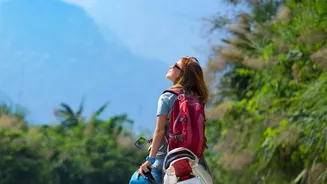

Remember the frantic, post-lockdown rush to go anywhere, just to feel something? They called it 'revenge travel'. While that initial chaotic energy has subsided, the powerful urge to explore is back with a vengeance this holiday season.
From frantic to focused: Revenge Travel 2.0
The term 'revenge
travel' was coined to describe the massive surge in travel after COVID-19 restrictions were lifted. It was a global phenomenon born from pent-up demand, where people were desperate to make up for lost time and cancelled plans. The first wave was often impulsive and expensive, driven by a simple need to escape. However, what we're seeing now is a more evolved version. Experts are calling it 'Revenge Travel 2.0', a shift from frenzied, last-minute booking to more deliberate, well-planned, and meaningful trips. The urgency to simply 'go' has been replaced by a focused desire to go somewhere for a specific, intentional reason.
Why is the travel bug biting again?
Several factors are fuelling this second wind. For many, travel has shifted from a luxury to a non-negotiable priority. The lesson learned from the pandemic was that 'someday' is not guaranteed, making people more determined to take meaningful trips while they can. This sentiment is driving a surge in holiday bookings for late 2026, with some reports showing festive travel plans are already running 50% ahead of last year. Furthermore, while some international plans were put on hold earlier in the year due to global uncertainty, that pent-up demand is now being redirected. Instead of giving up on holidays, travellers simply paused, and are now booking with renewed enthusiasm.
The new holiday hotspots
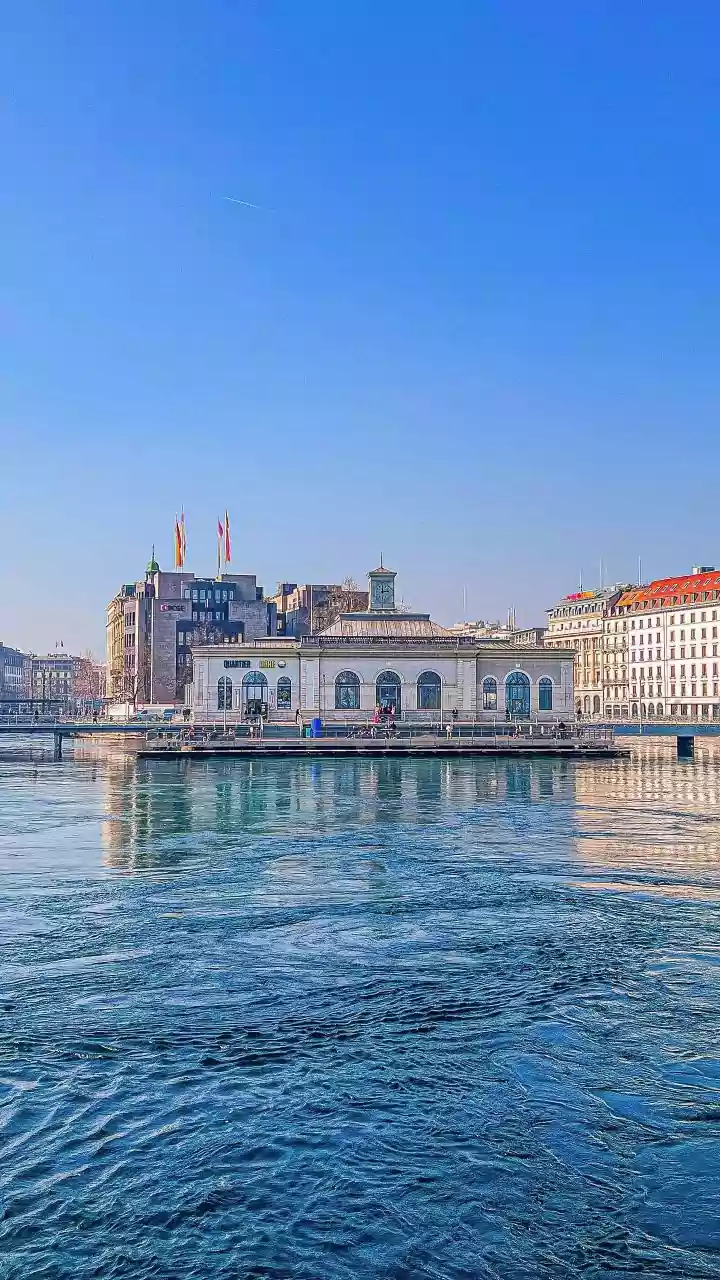
So where is everyone going? This new wave shows a clear trend towards experience-led holidays. For domestic travel, destinations offering unique cultural or natural experiences are seeing huge growth. Places like Hampi, Gokarna, Rishikesh, and increasingly, Himalayan destinations like Sangla and Kalpa in Kinnaur, are becoming incredibly popular. Internationally, Indian travellers are exploring a mix of nearby, visa-friendly countries and long-haul bucket-list spots. Southeast Asian destinations like Vietnam, Thailand, and Malaysia remain favourites due to their affordability and diverse offerings. At the same time, there's a growing appetite for less conventional destinations, with cities like Taipei, Cebu, and Dublin seeing a spike in bookings. There is also a significant trend in long-haul winter travel, with a 36% rise in conversions for trips focused on experiences like seeing the Northern Lights.
It's all about the experience
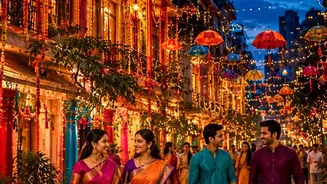
This time, the 'what' is just as important as the 'where'. The trend is moving away from jammed itineraries and towards slower, more immersive travel. Instead of ticking off five cities in seven days, travellers are choosing to spend more time in fewer places, prioritising quality over quantity. This includes a boom in wellness tourism, with trips to spas and nature retreats gaining popularity. There's also a rising interest in event_based travel, such as visiting Varanasi for Dev Deepawali to witness the cultural rituals firsthand. According to one report, winter bookings for 2026–27 have already increased by about 23% year–on–year, driven by this demand for unique, experience–led holidays like snow–focused trips to Finland and Switzerland.
Planning for the new travel reality
With this surge in demand comes a predictable rise in costs. Hotel rates in popular leisure destinations are expected to climb significantly during the festive season. One analysis suggests premium hotel rates in a destination like Goa could climb by nearly 42% post–Diwali. In response, travellers are becoming smarter planners. A key characteristic of Revenge Travel 2.0 is booking further in advance, with one report noting that 71% of travellers plan to book their trips at least two months ahead to secure better prices and options. While the first wave of revenge travel saw people spending with abandon, today's traveller is more calculated, seeking value and making intentional choices to make their holiday budget stretch further without sacrificing the quality of the experience.