








The Age of 'Checklist Tourism' Burnout
For years, the gold standard of a successful trip was a packed itinerary. It was a race against time to see every landmark, eat at every recommended cafe, and capture enough photos to prove it all happened. This approach, often called “checklist tourism,”
turned holidays into a form of productivity. The pressure, amplified by social media, left many returning home more exhausted than when they left. This travel burnout became especially noticeable after a period of intense “revenge travel,” where the rush to make up for lost time resulted in whirlwind trips that offered little genuine relaxation. The result is a collective realisation: a vacation shouldn't feel like another job.
The Rise of Restorative and 'Slow' Travel
In response, a powerful counter-trend has emerged: restorative travel. It’s a philosophy that prioritises well-being over a busy schedule. This isn't just about spa days; it's a broader movement toward mental, emotional, and physical rejuvenation. A core component of this is “slow travel,” the practice of spending more time in fewer places to connect more deeply with the local culture and environment. Instead of city-hopping, travellers might explore one village for a week, learning to cook local dishes or simply enjoying unhurried mornings. The goal is no longer about how many places you can cover, but how deeply you can experience one. This shift is significant, with the wellness tourism market projected to grow into a multi-trillion dollar industry.
What 'Feeling Better' Actually Looks Like
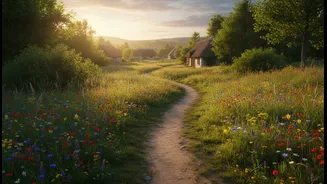
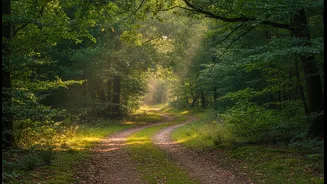
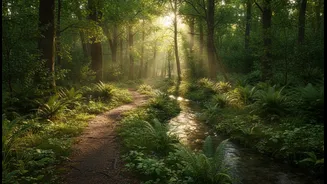
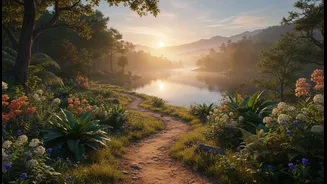
So, what does a restorative trip actually involve? The options are diverse and deeply personal. For some, it’s about nature immersion—seeking out destinations with dark-sky status for stargazing or choosing a cabin in the woods to digitally detox. For others, it’s about learning a new skill without pressure, engaging in mindful activities like jungle-sourced spa treatments, or participating in ancient traditions led by local guides. The focus is on quality over quantity, swapping a long list of sights for a handful of meaningful experiences. It could be as simple as spending an afternoon people-watching from a cafe, hiking a trail at your own pace, or sharing an uninterrupted meal with loved ones. Ultimately, these trips are built around an intention—like feeling rested, inspired, or connected—rather than a to-do list.
How to Plan Your Own Rejuvenating Escape
Planning a trip that leaves you feeling better starts with a change in mindset. Before booking, ask yourself what you truly need from the time away: is it rest, adventure, connection, or inspiration? Let that need guide your destination. Instead of hopping between multiple cities, choose one or two places and allow yourself to settle in. A key strategy is to leave room for spontaneity. Avoid scheduling every minute; some of the most memorable moments come from unplanned discoveries. Prioritise disconnecting from digital distractions to be more present in your surroundings. This could mean setting your phone to airplane mode for part of the day or choosing accommodations in nature. The focus should be on experiences that nourish you, not just sights to see.