





What Exactly Is Slow Travel?
Slow travel is a mindset that prioritises connection over consumption. It’s an approach that encourages travellers to spend more time in one place, immersing themselves in the local culture, environment, and community. The concept has its roots in the Italian
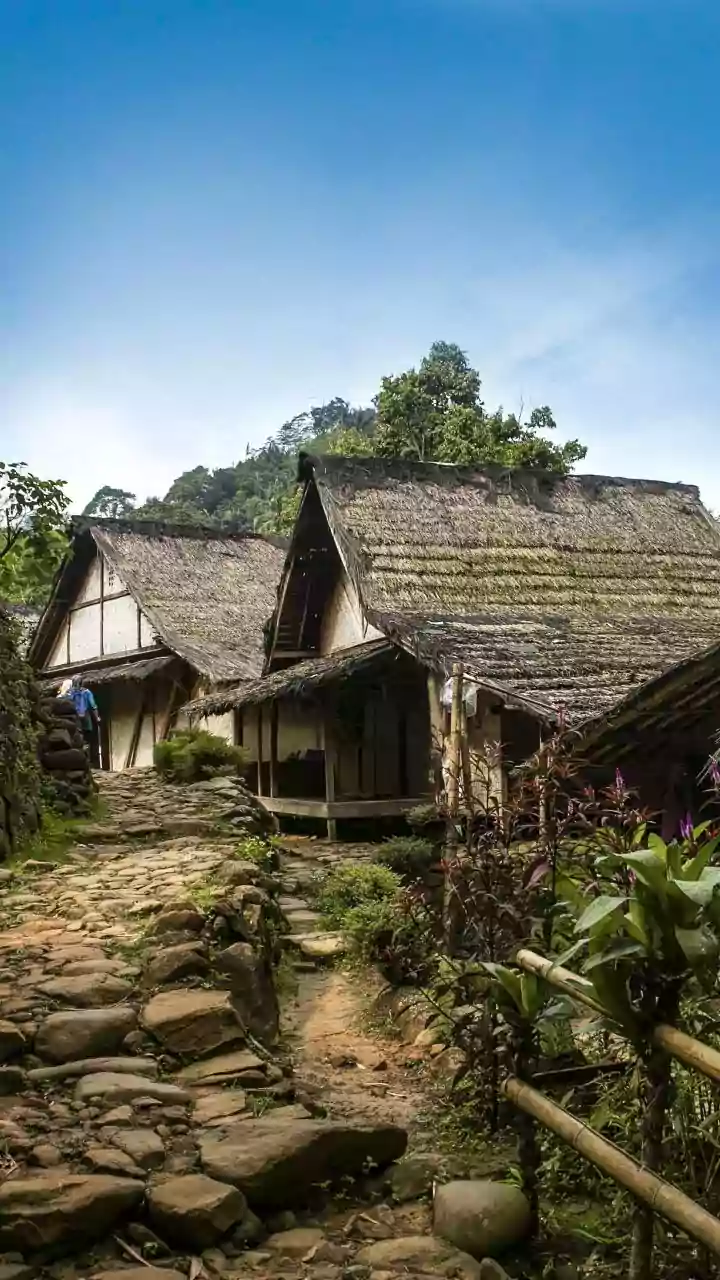
"Slow Food" movement of the 1980s, which championed local cuisine and traditional food production against the rise of fast food. Similarly, slow travel pushes back against the pressures of "fast" tourism—the whirlwind tours of multiple cities in a few days that often leave travellers exhausted. Instead of racing to tick off famous landmarks, the goal is to experience a destination authentically, living more like a local than a tourist. This could mean anything from staying in a neighbourhood apartment instead of a central hotel to simply leaving room in your itinerary for spontaneous discoveries.
A Cure for Modern Burnout
The rise of slow travel is a direct response to our increasingly fast-paced and digitally saturated lives. The post-pandemic phenomenon of “revenge travel” saw a surge in frantic trips to make up for lost time, but that urgency has since faded. Many people now find traditional holidays stressful, with packed schedules and the pressure to see everything. Slow travel offers an antidote, promoting a relaxed pace that allows time to unwind, reflect, and reduce stress. The emphasis is on the quality of experiences, not the quantity. This shift also reflects a greater awareness of wellness; for many, slowing down on vacation is a conscious decision to disconnect from digital overload and prevent burnout.
A More Sustainable and Conscious Way to Explore
Beyond the personal benefits, slow travel is also deeply connected with sustainability. By staying in one place longer, travellers can significantly reduce their carbon footprint, which is often inflated by frequent flights and other carbon-intensive transport. The philosophy encourages using local and public transport like trains and buses, or exploring on foot or by bike. This approach also has economic benefits for host communities. Slow travellers are more likely to support small, local businesses—such as family-run guesthouses, local markets, and independent restaurants—rather than large international corporations. This ensures that tourism revenue stays within the community, fostering economic sustainability and preserving local culture.
How to Embrace Slow Travel on Your Next Trip
Adopting a slow travel mindset doesn't require a months-long sabbatical. It can be applied to any trip, even a short one. The key is to plan less and allow for more flexibility. Instead of creating a rigid, minute-by-minute itinerary, pick one or two must-see attractions and let the rest of your time unfold naturally. Stay in one place for your entire trip to get a deeper feel for the area. Make a conscious effort to engage with the community: ask a shopkeeper for a restaurant recommendation, visit a local market, or attend a community event. Choosing to travel to destinations in the off-season or exploring secondary cities instead of overcrowded hotspots are other great ways to practice slow travel. The core idea is to shift your focus from seeing to being, allowing for authentic experiences that are often more memorable than any planned-out photo opportunity.