





Meet India's 'Friend in Space'
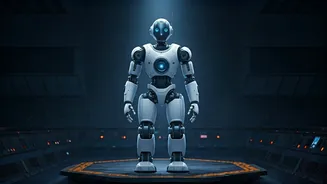
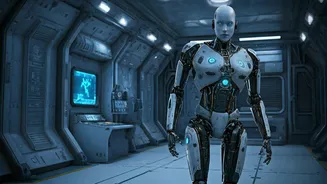
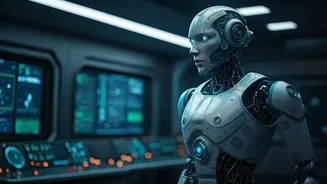
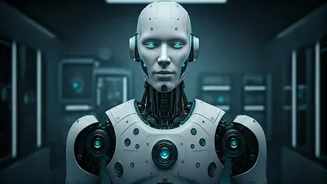
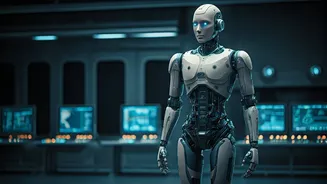
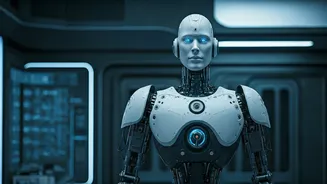
Vyommitra, whose name is a blend of the Sanskrit words for 'space' (Vyoma) and 'friend' (Mitra), is a highly advanced humanoid robot developed by the Indian Space Research Organisation (ISRO). Unveiled in 2020, she is a 'half-humanoid', possessing a torso,
head, and two arms, but no legs, a design optimised for the cabin of a spacecraft. Developed at the Vikram Sarabhai Space Centre, Vyommitra is designed to look and act like a human. She can speak both English and Hindi, recognise human faces, mimic human activity, and even respond to queries. Her purpose, however, is far from just conversational. She represents a crucial step in India's technological leap towards sending its own astronauts, or 'Gaganyatris', into orbit.
A Mission-Critical Role in Gaganyaan
Vyommitra is not a gimmick; she is a pioneer. Her primary mission is to fly aboard the first uncrewed test flights of the Gaganyaan spacecraft, India's inaugural human spaceflight mission. Instead of using animal test subjects, ISRO will use Vyommitra to simulate human presence and function inside the crew module. She will test the spacecraft's environmental control and life-support systems, monitor critical module parameters, operate switch panels, and provide real-time data on how the craft behaves. She is designed to withstand the intense vibrations and shocks of a rocket launch. By sending Vyommitra first, ISRO can gather invaluable data on the effects of radiation and microgravity, ensuring the capsule is perfectly safe before the first crewed mission.
Why a Humanoid Becomes an Icon
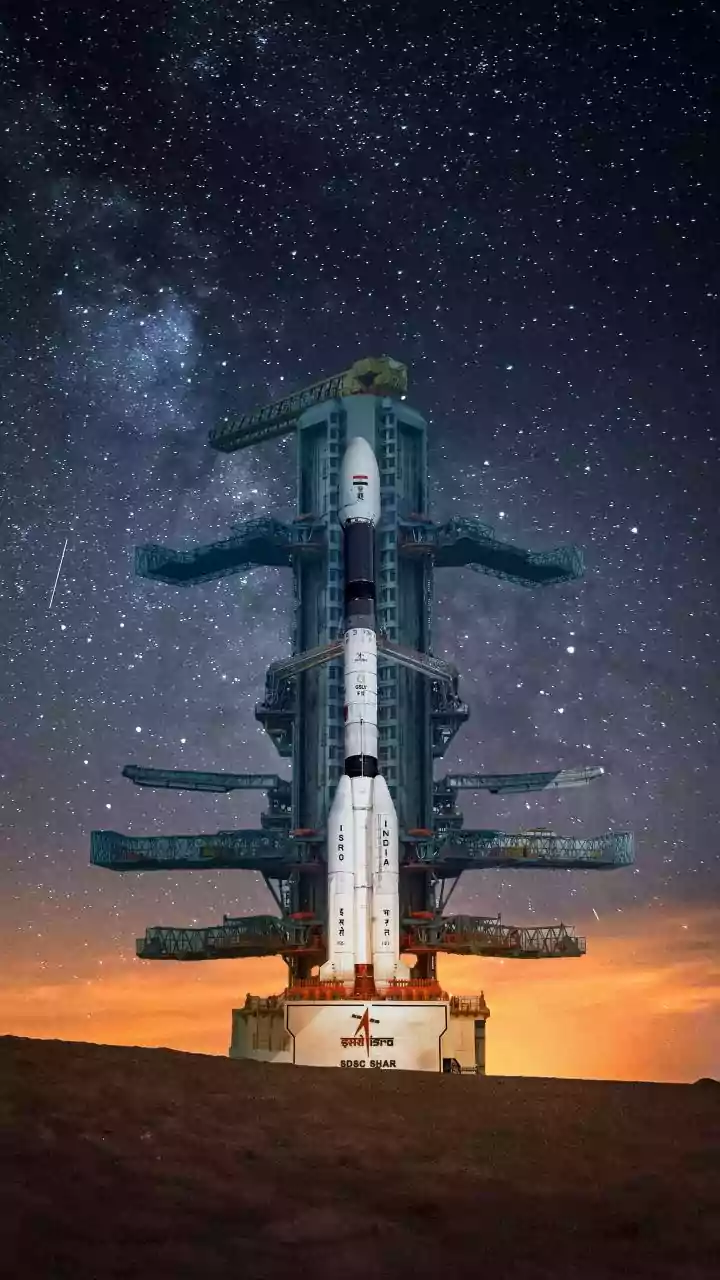
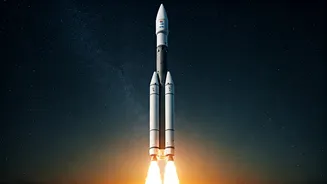
Complex national projects, from infrastructure to space exploration, often need a relatable symbol to capture the public's imagination. Vyommitra provides exactly that. While the engineering of the GSLV Mk III rocket is brilliant, it is an inanimate object. Vyommitra, with her female persona and ability to communicate, gives a literal face to the Gaganyaan mission. This personification is a powerful tool for science communication. It makes the abstract concept of space travel tangible and exciting for millions of Indians who are not rocket scientists. It helps translate a multi-crore rupee technological endeavour into a story of national pride and aspiration, making her a powerful brand ambassador for ISRO and Indian innovation on the global stage. Her journey is not just a technical trial run; it is a public relations masterstroke in the making.
The Path Ahead: From Robot to Symbol
For Vyommitra to cement her status as an icon, performance is key. Her first major test will be the uncrewed Gaganyaan-1 mission. According to recent reports, the pre-flight integration process for Vyommitra has already begun ahead of the flight, which is anticipated in the latter half of 2026. A successful mission, where she performs her functions flawlessly and provides crucial data, will be her 'Chandrayaan moment'. It will validate ISRO's approach and build immense public confidence and excitement for the subsequent crewed flights. The entire nation will be watching as this 'friend in space' paves the way for human astronauts, and her success will be intrinsically linked to the success of the entire Gaganyaan programme.
Inspiring a New Generation of Innovators
Beyond the immediate mission goals, Vyommitra's greatest legacy could be her power to inspire. By putting a female-identifying robot at the forefront of its most prestigious mission, ISRO sends a powerful message about inclusivity in science and technology. She has the potential to become a role model, encouraging young people, especially girls, to pursue careers in STEM (Science, Technology, Engineering, and Mathematics). In a country with a burgeoning tech industry, an icon like Vyommitra can be the spark that ignites a new generation's passion for innovation, robotics, and space exploration. Her journey could prove that India is not just catching up in the space race but is capable of creating unique, culturally resonant symbols of its technological prowess.