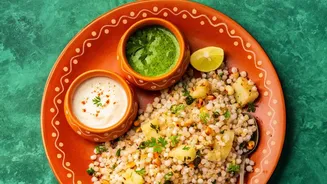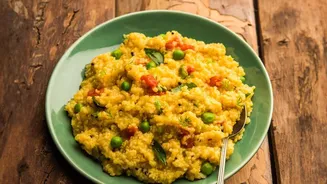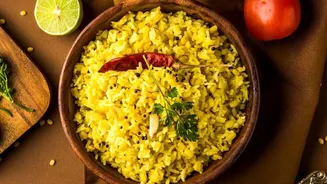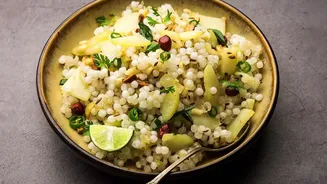


In the quest for a healthy Indian meal, the Dalia versus Khichdi debate is a classic. Both are hailed as wholesome, but crowning a single winner is not so simple. The real nutritional story lies not just in the grains, but in the kitchen itself.
Understanding Dalia's Nutritional Power
Dalia,
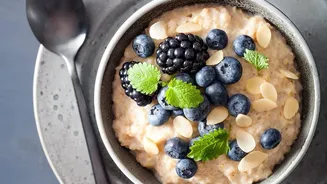
also known as broken or cracked wheat, is a minimally processed whole grain. Because it retains the wheat kernel's bran and germ, it is a nutritional powerhouse. A 100-gram serving of uncooked dalia packs around 12 grams of protein and an impressive 10 to 12 grams of dietary fibre. This high fibre content is its main advantage; it promotes digestive health, prevents constipation, and keeps you feeling full for longer, which can aid in weight management. Furthermore, dalia has a low glycemic index (GI), typically ranging from 41 to 55, meaning it releases sugar into the bloodstream slowly. This provides sustained energy and makes it an excellent choice for individuals managing blood sugar levels. It's also a good source of essential minerals like iron and magnesium.
The Comforting Goodness of Khichdi
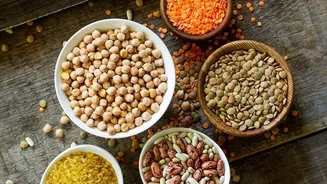
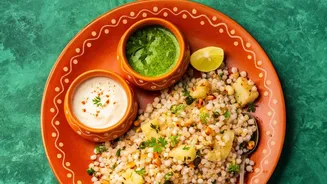
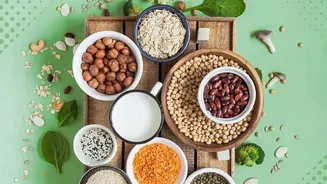
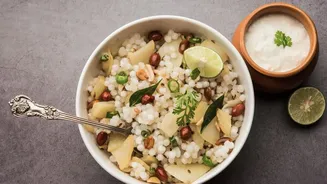
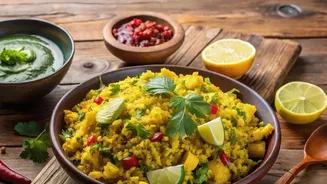
Khichdi is a versatile one-pot meal traditionally made from rice and lentils, most commonly moong dal. This combination is one of its greatest nutritional strengths. The pairing of a cereal (rice) with a pulse (lentils) creates a complete protein, providing all nine essential amino acids that the body cannot produce on its own. This makes it an excellent meal for muscle repair and overall body function. Khichdi is famously easy to digest, which is why it's often recommended as a recovery food during illness. A basic moong dal khichdi can offer around 6-8 grams of protein and 3-4 grams of fibre per cup, though these values fluctuate significantly based on the recipe. The use of spices like turmeric and ginger also adds anti-inflammatory properties to the dish.
How Cooking Changes Everything
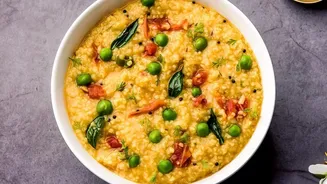
Here’s where the comparison gets interesting. A simple bowl of plain, boiled dalia is fundamentally different from a 'masala dalia' loaded with vegetables and a generous tadka. Similarly, a plain khichdi made with just rice, moong dal, and a pinch of salt is nutritionally worlds apart from one enriched with a variety of lentils, vegetables, and a spoonful of ghee. The cooking method and added ingredients are the true game-changers. Adding a teaspoon of ghee, for instance, not only adds flavour but also healthy fats and helps the body absorb fat-soluble vitamins. However, excessive ghee can significantly increase the calorie and saturated fat content.
Vegetables and Spices: The Nutrient Boosters
Incorporating a variety of vegetables like carrots, peas, beans, and spinach into either dalia or khichdi dramatically boosts their nutritional value. This adds essential vitamins, minerals, antioxidants, and extra dietary fibre, making the meal more balanced and filling. For khichdi, using different types of dals, such as masoor or a mix, can vary the protein and mineral profile. The cooking process itself also plays a role. Overcooking, especially boiling in excessive water that is later discarded, can lead to the loss of water_soluble vitamins like Vitamin C and B vitamins. Pressure cooking, on the other hand, is generally better at preserving nutrients due to shorter cooking times.
Which One Is Right for Your Goal?
The better choice truly depends on your personal health objectives. For weight management and blood sugar control, dalia's high fibre content and low GI give it a slight edge. The fibre promotes satiety, helping to reduce overall calorie intake. For muscle recovery or if you need an easily digestible meal, the complete protein profile of a well_made khichdi is ideal. For toddlers, the elderly, or those recovering from illness, a simple, soft_cooked khichdi is often preferred for its gentleness on the digestive system. Ultimately, a vegetable_laden dalia khichdi, which combines broken wheat with lentils, offers the best of both worlds : high fibre from dalia and complete protein from the dal.