




The Science of Calm
It’s not just about aesthetics; there’s a science to why plants make us feel better. The 'biophilia hypothesis' suggests that humans have an innate need to connect with nature. Studies have shown that interacting with indoor plants can lower stress levels,
reduce blood pressure, and suppress the body's 'fight-or-flight' response. Even being in a room with plants for just a few minutes can improve your mood. They also act as natural air purifiers, with NASA research highlighting their ability to filter common indoor toxins like formaldehyde and benzene from the air.
The Snake Plant: A Vertical Wonder
The Snake Plant, or Sansevieria, is a favourite for small spaces due to its upright, vertical growth. Its sword-like leaves add height and a modern structural element to a room without taking up precious floor space. It’s incredibly low-maintenance, tolerating low light and infrequent watering, making it perfect for beginners or those with a busy lifestyle. A unique benefit is its ability to convert carbon dioxide into oxygen at night, making it an excellent choice for bedrooms to improve air quality while you sleep.
The ZZ Plant: The Stylish Survivor
With its glossy, deep green leaves, the Zamioculcas zamiifolia, or ZZ Plant, offers a polished and sophisticated look. Like the Snake Plant, it grows upwards in a neat form, making it suitable for tight corners. The ZZ Plant is famously durable and often called 'indestructible' because it thrives on neglect. It stores water in its underground rhizomes, meaning it can survive for weeks without watering and is tolerant of low-light conditions, such as hallways or bathrooms with no windows.
Pothos: The Versatile Trailing Vine
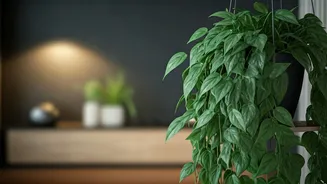
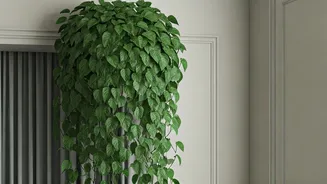
For those looking to add lush, cascading greenery, Golden Pothos is an ideal choice. Its trailing vines can be placed on high shelves, in hanging baskets, or trained to climb, making excellent use of vertical space. Pothos is highly adaptable and thrives in a variety of light conditions, from low to bright indirect light. It's also a great communicator; its leaves will slightly droop to let you know when it’s thirsty. It's known for being an effective air purifier, tackling toxins like formaldehyde, benzene, and xylene.
Spider Plant: The Prolific Air-Purifier
The Spider Plant is a resilient and classic houseplant, perfect for tiny homes. Its arching leaves and the ‘spiderettes’ or baby plants that dangle from the main plant create a full, dynamic look, especially in hanging baskets. It’s celebrated for being one of the best plants for improving indoor air quality, known for its ability to remove formaldehyde and xylene. As a bonus, it is generally non-toxic, making it a safer choice for homes with pets.
Creative Placement for Maximum Impact
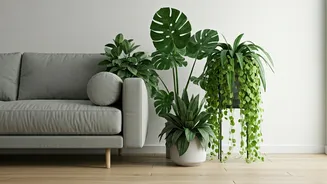
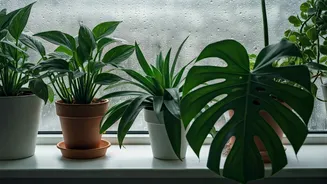
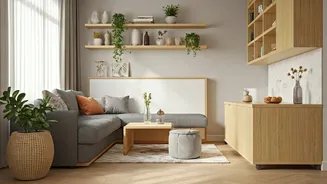
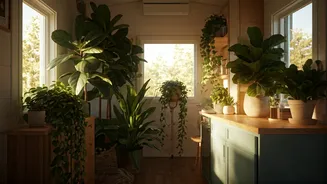
In a tiny home, how you display your plants is as important as which ones you choose. Utilise vertical space with floating shelves or wall-mounted planters to draw the eye upward and keep surfaces clear. Hanging planters are another excellent way to add greenery without using any floor or table space. Grouping smaller plants, like succulents or peperomia, on a windowsill or in a tiered stand can create a 'corner jungle' that acts as a beautiful focal point without causing clutter. Even a single, well-placed plant can have a major impact.