






The Soul of the Nilgiris in a Cup
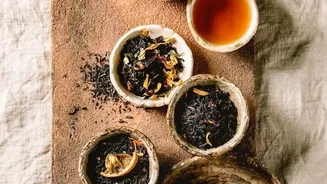
At the heart of this burgeoning trend is Nilgiri tea, often called the 'third cousin' to its more famous counterparts, Darjeeling and Assam. Grown in the Blue Mountains of Southern India, Nilgiri tea is prized for its unique characteristics that make
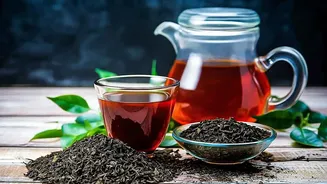
it an ideal base for infusions. Unlike the bold, malty notes of Assam or the delicate muscatel of Darjeeling, Nilgiri tea offers a balanced, smooth, and naturally fragrant profile. Its liquor is bright and clear, with a brisk finish that lacks the bitterness some other black teas can have. This clean canvas allows other flavours to shine, which is precisely why it has become the foundation for these creative new brews. It is exceptionally good for iced teas, as it doesn't cloud when chilled, ensuring a visually appealing and refreshing drink.
A Symphony of Local Flavours
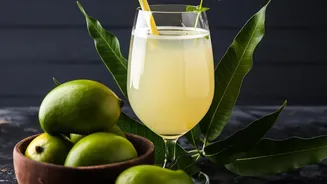
What makes these brews truly special is the thoughtful pairing of Nilgiri tea with the bounty of the region's orchards. The Nilgiri hills, with their unique climate, are home to a variety of temperate and exotic fruits. Artisanal brewers and local cafes are reaching for fruits like passion fruit, tree tomatoes, peaches, plums, and wild berries to create their concoctions. These fruits provide a natural sweetness and complexity that reduces the need for refined sugar. Imagine a brew infused with the tartness of passion fruit or the mellow sweetness of a locally grown peach. These combinations are not random; they are a celebration of terroir, reflecting the specific flavours that the soil and climate of the Nilgiris can produce.
The Health-Conscious Choice
The rising popularity of these fruit-infused teas is deeply connected to a broader shift in consumer preferences across India. More people are actively seeking healthier alternatives to sugary carbonated drinks and juices. The demand for low-sugar or zero-sugar beverages is on the rise, driven by growing health awareness. These Nilgiri brews fit perfectly into this lifestyle, offering a flavourful, sophisticated drink without the guilt. By relying on the natural sweetness of fruits like jamun, guava, or even figs, makers can create a satisfying beverage that is both delicious and mindful of health. This trend caters directly to a market looking for 'clean label' products that are free from artificial additives and excessive sugars.
Pioneers of the Trend
This movement is being championed by small, passionate businesses and cafes dotted across the Nilgiri region, in towns like Ooty and Coonoor. Establishments such as Buddies Cafe are known for their extensive tea menus, featuring exotic fruit and herbal infusions alongside classic teas. These cafes serve as hubs for tea education, allowing customers to explore complex blends like Chamomile Orange or Raspberry Champagne tea. They are moving beyond the standard lemon or peach iced tea, introducing customers to a world of flavour that is authentically local. While many of these are small-scale operations, they are having a significant impact on the local food scene, attracting tourists and locals alike who are eager to taste something new and genuine.
More Than Just a Drink
The trend of combining Nilgiri tea with local fruits is more than just a culinary fad; it represents a deeper connection to place and produce. It’s a form of edible storytelling, where each sip speaks of the region's agricultural heritage. This movement supports local farmers and promotes the cultivation of native fruit varieties, some of which are being championed by local horticulture departments. By creating a premium product from local ingredients, these brewers are adding economic and cultural value to the Nilgiris' bounty. It’s a modern take on tradition, preserving the legacy of Nilgiri tea while adapting it for a new generation of drinkers who value authenticity, health, and flavour in equal measure.