





Beyond the Tiger Trail
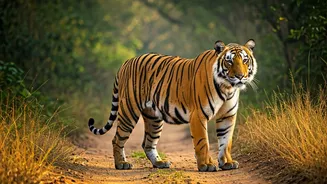
Central India, particularly states like Madhya Pradesh, is a globally renowned destination for wildlife enthusiasts. The thrilling pursuit of the majestic tiger in iconic reserves like Kanha and Bandhavgarh has long dominated the narrative. But hidden
in plain sight, woven into the very fabric of these celebrated landscapes, is a quieter, more profound experience. It’s a world that exists in the dense, sprawling bamboo forests that form the backbone of these ecosystems. While the tiger safari is a burst of adrenaline, a walk through a bamboo grove is a slow-burn meditation. It’s an invitation to look beyond the obvious, to find magic not in a rare sighting, but in the immersive, ever-present world of 'green gold'. This is the secret that seasoned travellers and conservationists are beginning to whisper about: the true soul of the central Indian wilderness might just be found where the bamboo grows thickest.
The Symphony of Bamboo
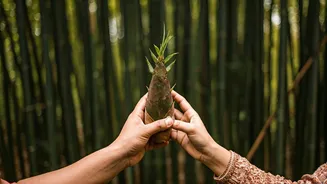
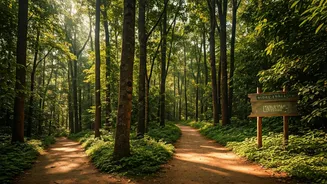
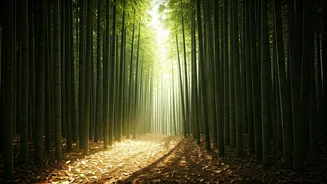
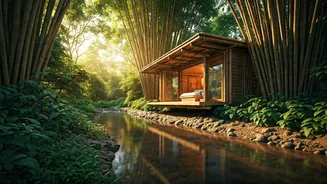
To step into a bamboo forest is to enter a different realm of sensory perception. The experience begins with sound. The wind creates a constant, soothing symphony—a gentle rustling that sounds like soft rain, punctuated by the hollow knocking of culms (bamboo stalks) against each other. Sunlight filters through the dense canopy, dappling the forest floor in an ethereal, shifting light that photographers call 'bamboo light'. The air is cooler here, and smells of damp earth and fresh vegetation. Unlike the open grasslands where you scan the horizon, a bamboo forest pulls your focus inward. You notice the intricate patterns on the stalks, the new shoots bursting from the ground with incredible speed, and the rich biodiversity they support—from tiny insects and colourful birds to the deer and langurs that feed on the leaves. It's a living, breathing cathedral of nature.
Sustainable Sanctuaries
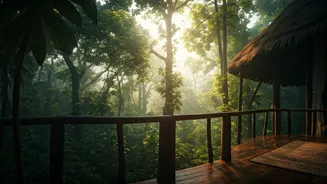
The "off-grid" appeal of these bamboo forests is not just about a lack of mobile signal; it’s about a deeper disconnection from the frantic pace of modern life and a reconnection with something more elemental. This philosophy is being championed by a new wave of eco-lodges and community-run homestays. These establishments are built with a light footprint, often using bamboo and other local materials. They prioritise hiring from local communities, many of whom have lived in harmony with these forests for generations and possess an encyclopaedic knowledge of the flora and fauna. Here, luxury isn't about infinity pools or 24/7 room service. It’s about guided nature walks with a local tribal expert, learning to identify bird calls, enjoying a meal cooked with locally sourced ingredients, and spending an evening around a campfire sharing stories, with the star-filled sky unobscured by city lights.
Gateways to the Green
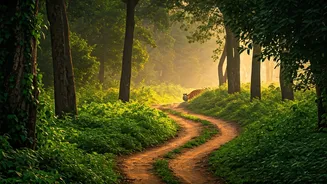
While bamboo is widespread across Central India, certain areas offer particularly immersive experiences. The buffer zones around Satpura Tiger Reserve in Madhya Pradesh are a prime example. Known for its unique walking safaris, Satpura allows visitors to experience the forest on foot, a rarity in Indian tiger reserves. Trekking through its dense bamboo clusters is a core part of this intimate encounter with the wilderness. Similarly, regions in Chhattisgarh, often called the "rice bowl of India," boast vast, unexplored tracts of forest where bamboo is not just a plant but a way of life. The key is to look for lodges and operators that specialise in slow, experiential tourism rather than focusing solely on commercial jeep safaris. These are the places that understand the value of silence and the beauty of the forest itself, not just its most famous predator.