


Start with the Right Backpack
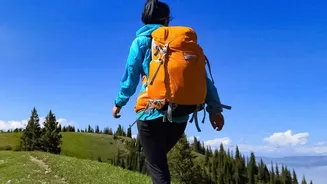
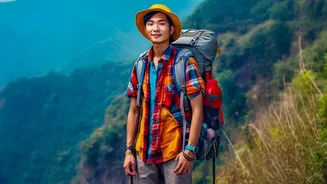
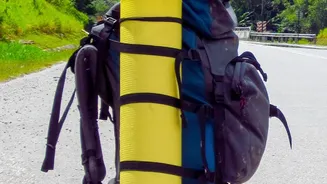
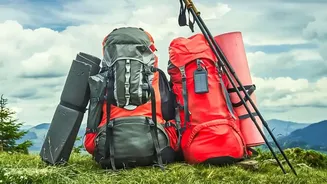
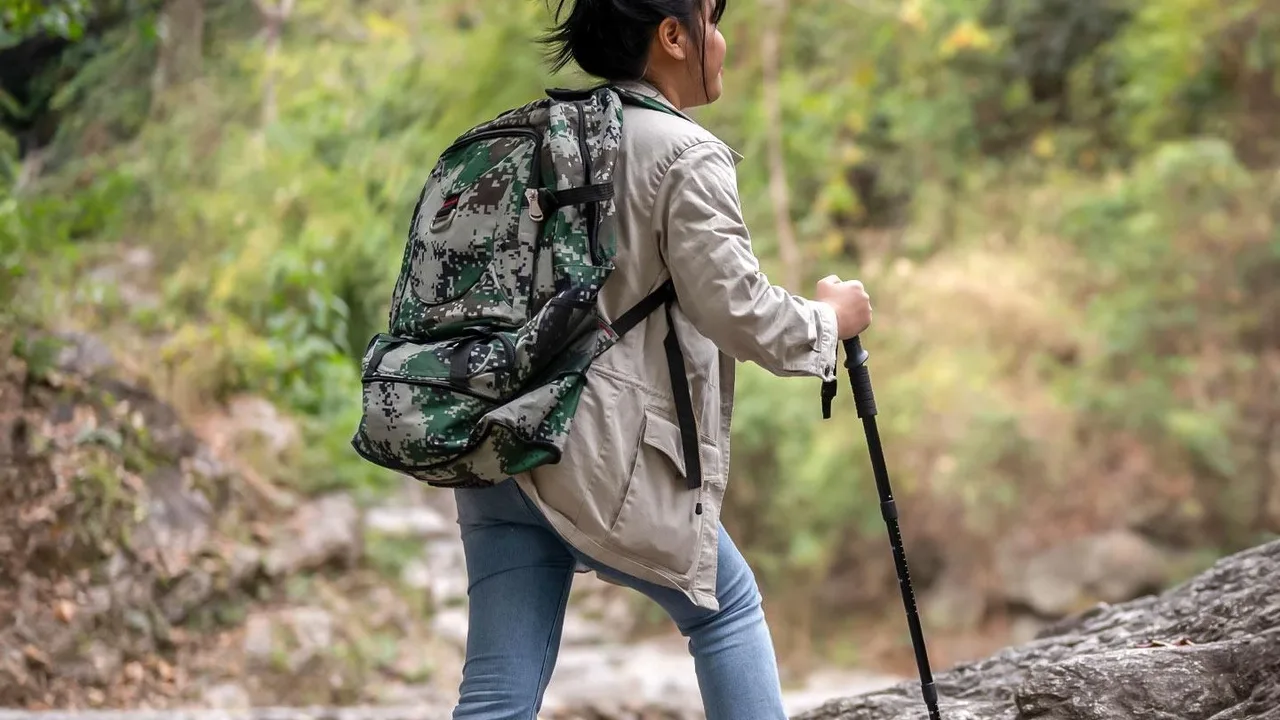
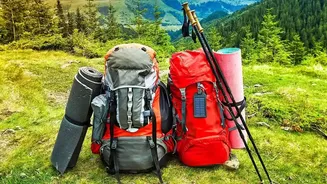
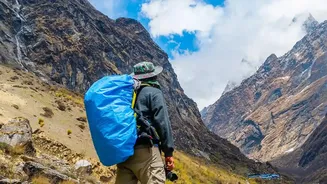
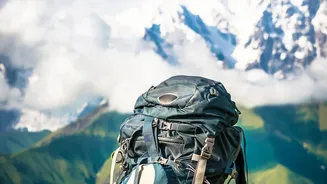
Your entire kit depends on the bag that holds it. For monsoon treks, especially day or weekend trips in the Western Ghats or Himalayas, a 30-40 litre capacity backpack is ideal. It’s large enough for essentials without being cumbersome. The most critical
feature is water resistance. Look for a pack made from PU-coated or DWR-treated fabric. Crucially, it must have a dedicated rain cover. This is your first line of defence against sustained downpours, protecting everything inside from getting soaked.
Mastering the Art of Waterproofing
A rain cover alone is not enough for the Indian monsoon. Experienced trekkers practice a multi-layered waterproofing strategy. Use a waterproof pack liner inside your backpack as a second barrier. A simple, thick trash compactor bag works well for this. Then, compartmentalise your gear within the liner using smaller dry bags or even Ziploc bags for critical items like electronics, a first-aid kit, and a change of dry clothes. Keep your rain jacket or poncho in an easily accessible outer pocket, not buried deep inside your pack.
Essential Clothing: Quick-Dry and Layered
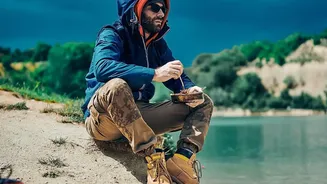
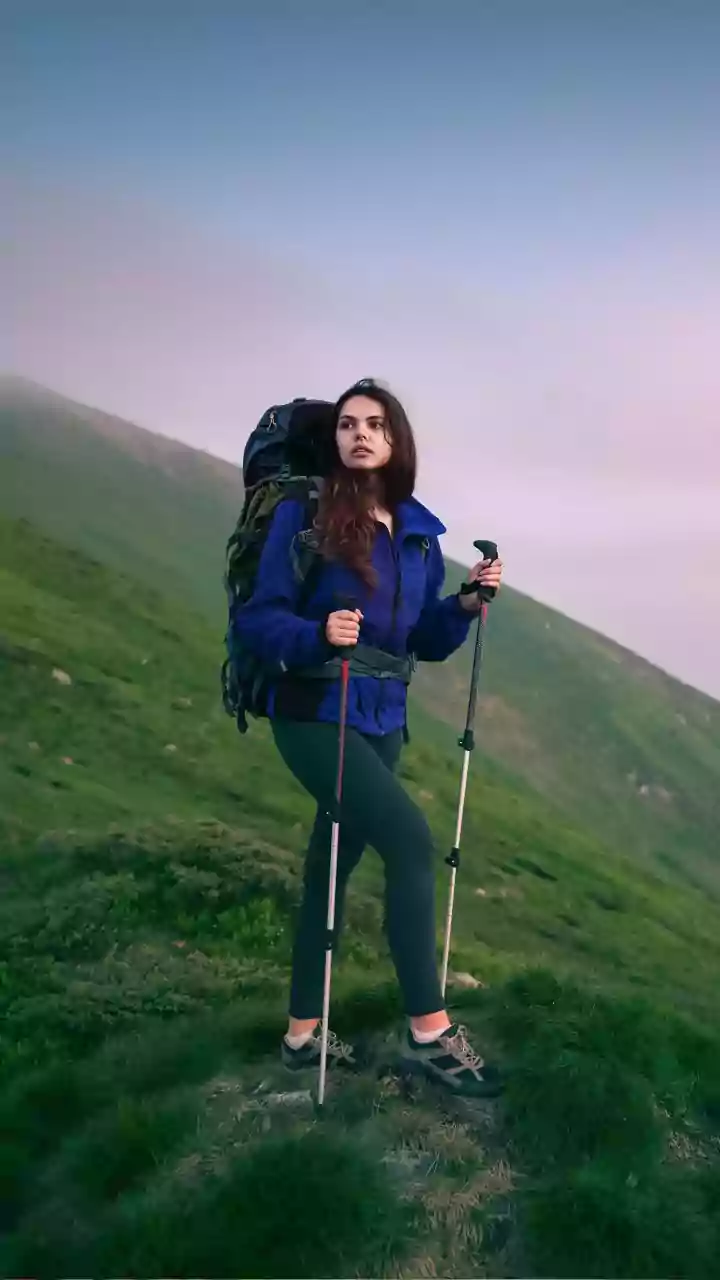
The golden rule of monsoon trekking is to avoid cotton at all costs. Cotton absorbs moisture, gets heavy, and takes forever to dry, which can even lead to hypothermia on colder trails. Instead, pack two or three quick-drying synthetic or nylon T-shirts. For bottoms, choose full-length quick-dry trekking trousers over shorts to protect against scratches and leech bites. Convertible pants that zip off into shorts offer great versatility. Always carry a fleece jacket or a synthetic mid-layer, as evenings in the mountains can get surprisingly cold.
The Outer Shell: Poncho vs. Rain Jacket
You need a reliable waterproof outer layer. While a rain jacket works, many trekkers prefer a poncho for monsoon conditions. A good poncho offers more ventilation in humid weather and has the added advantage of covering both you and your backpack, providing an extra layer of protection for your gear. Whichever you choose, ensure it's lightweight and easily packable so you can pull it out the moment the rain starts.
Footwear: Grip is Non-Negotiable
Monsoon trails are notoriously muddy, mossy, and slippery, especially on the volcanic basalt rock common in the Sahyadris. Your footwear is the most important piece of safety gear. Invest in a pair of trekking shoes with deep lugs and an aggressive rubber outsole for maximum grip. Shoes with good ankle support help prevent sprains on uneven terrain. Many experienced trekkers also recommend waterproof socks or leech-proof socks, which are essential in leech-prone areas like the Western Ghats. Always pack at least one extra pair of synthetic or wool socks.
First-Aid and Safety Essentials
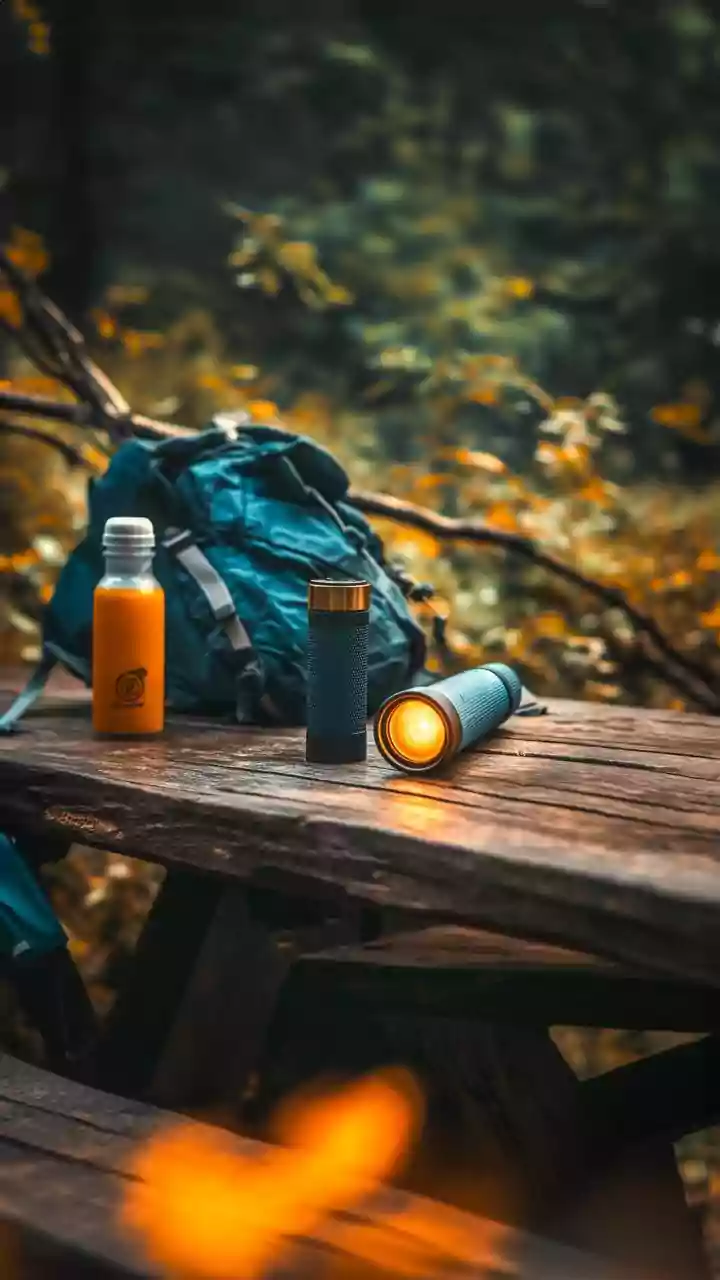
Your first-aid kit should be tailored for monsoon challenges. Along with standard items like antiseptic wipes, bandages, gauze, and pain relief medication, include specific supplies for the season. This means blister treatment, insect repellent, and an antiseptic for leech bites. A small bottle of hand sanitiser, salt or a sanitiser spray to remove leeches, and any personal medications are also vital. Always carry a headlamp with extra batteries, as visibility can drop quickly in the mist and rain. A whistle is a simple but effective emergency signaling device.
Hydration and Nutrition on the Go
Trekking in humidity can be dehydrating. Carry at least two litres of water, either in bottles or a hydration bladder. Pack high-energy snacks that are easy to eat on the move, such as trail mix, energy bars, and dates. It's wise to keep your snacks in a waterproof bag to prevent them from getting soggy. For longer treks, water purification tablets or a filter are essential for refilling from natural sources safely.