






A Taste of Tradition
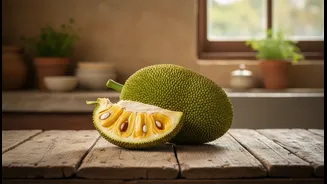
For generations, the arrival of raw jackfruit, or kathal, in the market has signalled a shift in seasonal cooking across India. It was never just another vegetable; it was an event. In the north, it's the star of Kathal ki Sabzi, a robust curry that pairs
perfectly with hot rotis. Bengali kitchens transform it into Enchorer Dalna, a delicately spiced dish, while in Kerala, it’s prepared as a flavourful stir-fry called Idichakka Thoran. Its unique, fibrous texture, which has a satisfying heft, made it a beloved ingredient long before the term 'meat substitute' became mainstream. This deep-rooted culinary history provides a foundation of nostalgia, a comforting taste of home that many are now eagerly revisiting.
The Modern Health Halo
Part of kathal’s resurgence is tied to its impressive nutritional profile, which aligns perfectly with modern wellness trends. Once considered a simple backyard fruit, it is now being celebrated as a superfood. Raw jackfruit is packed with dietary fibre, which aids digestion and promotes a healthy gut. It is also a rich source of essential vitamins like C and A, and minerals such as potassium, which is beneficial for heart health. Furthermore, its low glycemic index makes it a favourable option for those managing blood sugar levels, offering a way to enjoy a hearty meal without causing sharp spikes in glucose. This combination of being filling, low in calories, and nutrient-dense has given it a new halo of health.
The Plant-Based Champion
Perhaps the single biggest driver of kathal’s comeback is its global discovery as a plant-based champion. Its dense and stringy texture when cooked is remarkably similar to pulled meat, making it an incredibly versatile ingredient for vegan and vegetarian cooking. This has led to a wave of innovation, moving kathal far beyond traditional curries. Today, it’s used to create everything from Kathal Biryani that rivals its meaty counterpart to pulled kathal tacos, burger patties, and even crispy nuggets. This trend, which gained massive popularity in the West, has circled back to India, encouraging chefs and home cooks alike to experiment with the fruit in new and exciting ways, solidifying its status as a modern culinary star.
A Practical Guide to Prepping
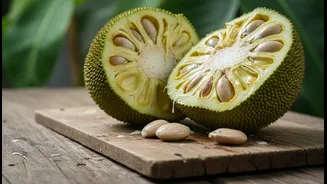
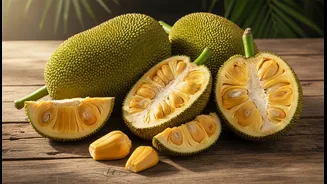
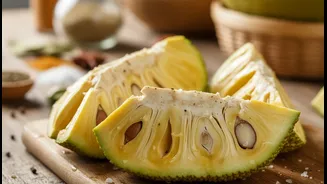
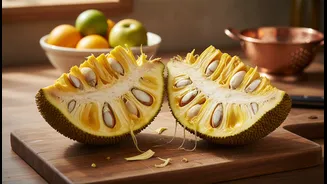
Despite its delicious potential, many are intimidated by the prospect of preparing a whole raw jackfruit. Its large size and notoriously sticky sap can be a challenge, but a few simple tips make the process manageable. First, and most importantly, generously apply coconut or mustard oil to your hands, the knife, and the chopping board. This prevents the white, latex-like sap from sticking to everything. Begin by chopping the jackfruit into large, manageable rings or halves. From there, you can slice off the spiky green peel and cut away the hard central core. The remaining fleshy pods can then be chopped into cubes, ready for your recipe. To prevent discolouration, it’s a good idea to drop the cut pieces into a bowl of salted water until you are ready to cook them.