


The Allure and The Hazard
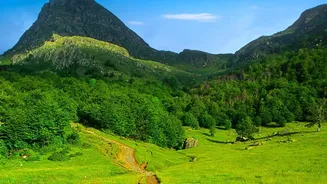
Every year, as the rains arrive, the Western Ghats undergo a dramatic transformation. Waterfalls roar back to life, forests turn a vibrant green, and a cool mist hangs over the mountains. For trekkers, this is an irresistible call to adventure. However,
the very conditions that make the Ghats magical also make them dangerous. Slippery trails, poor visibility, and the potential for flash floods are not minor inconvenconveniences; they are significant hazards. The difference between a memorable trek and a tragedy often comes down to one thing: planning.
What Goes Wrong: The Real Risks
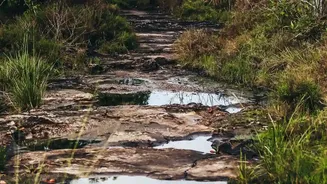
It’s easy to blame the rain, but the real dangers are more specific. Experts point to three main risks: flash floods in narrow gullies, slippery rock surfaces, and swollen stream crossings. Basaltic and lateritic rock, common in the Sahyadris, becomes incredibly slick when wet, making steep sections treacherous. A stream that is ankle-deep in winter can become an impassable torrent after a few hours of rain. Adding to this are recent incidents, including fatalities, where trekkers have slipped on wet terrain or been caught off-guard by rapidly changing conditions, sometimes due to a lack of professional guides or essential gear.
Individual Responsibility: Your First Line of Defence
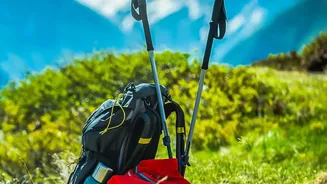
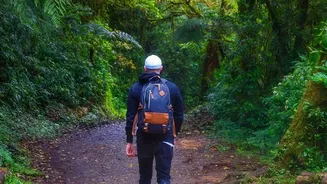
Systemic changes are needed, but personal accountability is paramount. Before even thinking about a monsoon trek, ask yourself a few questions. Are you physically prepared for slippery and demanding terrain? Do you have the right gear? This includes proper trekking shoes with deep grip, not sneakers, and a poncho rather than a jacket that traps sweat. Waterproofing your gear with dry bags and a pack cover is non-negotiable. Checking the hyper-local weather forecast via the IMD's Nowcast service is more critical than checking a seasonal overview. Finally, never trek alone in the monsoon and always start early to avoid afternoon showers and descending in poor light.
Choosing Your Trail and Guide Wisely
Not all trails are created equal, especially in the monsoon. Some routes, like those with steep, exposed rock patches (Harihar fort) or narrow gullies (Harishchandragad's Nalichi Vaat), are best avoided during heavy rains. In contrast, gradual fort trails with wide paths can be safer options. Increasingly, authorities are making it mandatory to hire local guides. In parts of Karnataka, for instance, forest department rules now require one certified guide for every group of ten trekkers. This not only improves safety but also provides livelihoods for local communities who possess invaluable knowledge of the terrain. Always opt for guided treks with reputable organisers who prioritise safety over cutting costs.
The Bigger Picture: A Systemic Shift
While individual choices matter, the headline's call for "better planning across the Ghats" points to a need for systemic change. In response to rising footfalls and accidents, states like Karnataka have implemented new regulations. These include mandatory online permits through portals like 'Aranya Vihaara', daily caps on the number of trekkers, and a strict no-plastic policy. Such measures aim to regulate the flow of tourists, reduce environmental impact, and ensure accountability. By empanelling agencies and training local guides, forest departments are trying to create a framework for sustainable and safe trekking. This shift from reactive rescue to proactive regulation is a crucial step in managing these fragile ecosystems.