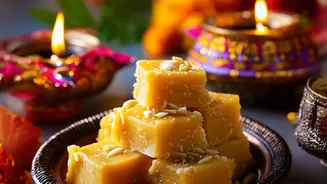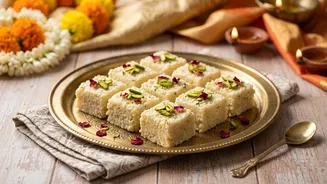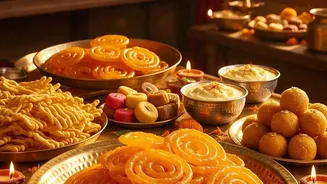



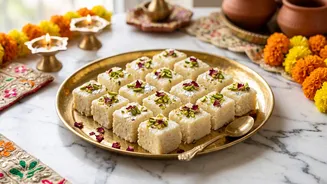
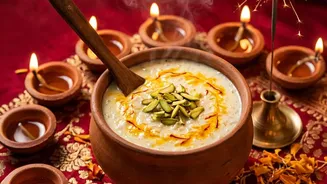
The flicker of diyas, the joy of family, and the scent of homemade sweets—this is the essence of Diwali. This year, add a personal touch to your celebrations with our easy, step-by-step Kalakand recipe, a creamy milk cake perfect for the occasion.
The Joy of Homemade Diwali Sweets
There
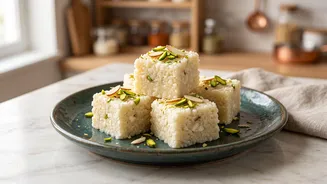
is a special kind of magic in preparing sweets at home for Diwali. While store-bought mithai is convenient, the process of creating your own infuses the festive season with warmth and love. Kalakand, a beloved Indian milk cake, strikes the perfect balance between tradition and simplicity. Known for its soft, grainy texture and delicate sweetness, it's a dessert that feels both indulgent and comforting. Its origins are traced back to Alwar, Rajasthan, where a confectioner first created its unique, moist texture in 1947. This recipe uses a popular shortcut with condensed milk and paneer, making it accessible even for beginners and delivering that authentic taste in a fraction of the time.
What You'll Need: Ingredients
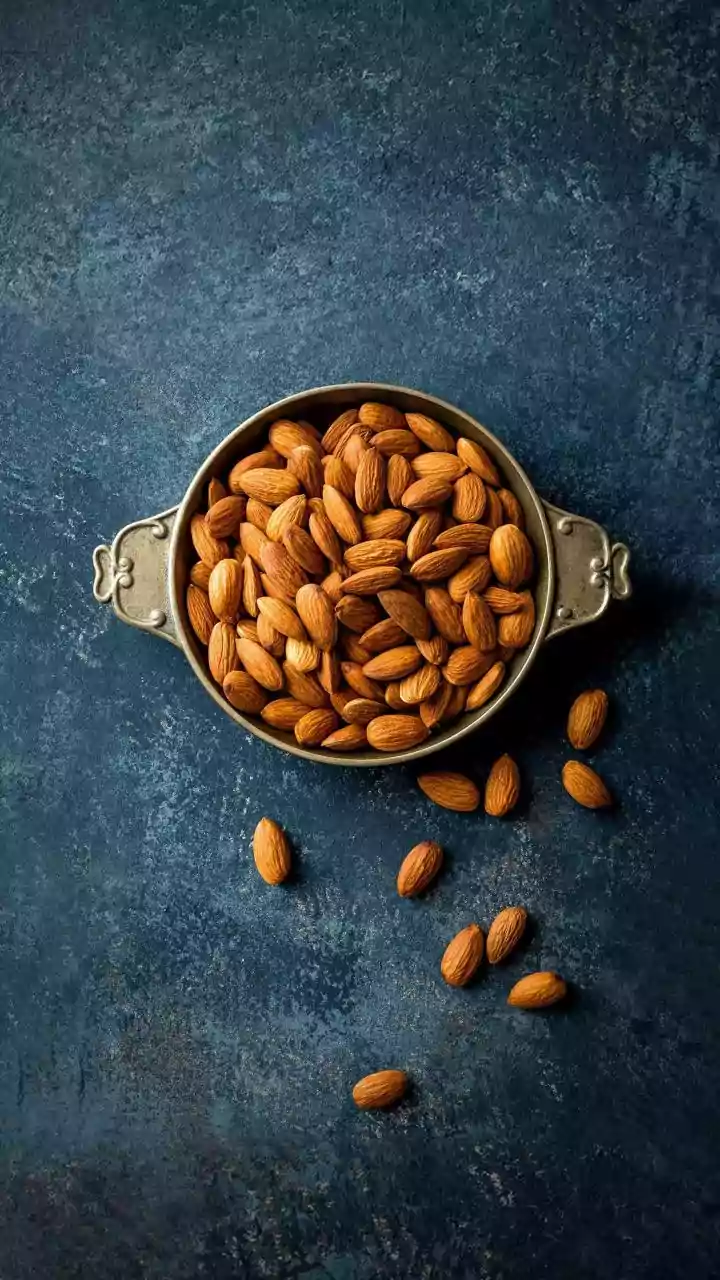
This quick version brings together a few simple ingredients to create a rich, decadent sweet. Using full-fat ingredients is key to achieving the creamiest texture. Paneer: 400 grams, crumbled. Homemade or fresh, soft store-bought paneer works best for a tender, grainy result. Sweetened Condensed Milk: One 400g tin. This provides sweetness and a creamy base, cutting down the cooking time significantly. Cardamom Powder: ½ to 1 teaspoon, freshly ground if possible, for a beautiful aroma. Chopped Nuts: 2-3 tablespoons of pistachios and almonds for garnish. Ghee: 1 teaspoon for greasing the tray. Rose Water or Saffron (Optional): A teaspoon of rose water or a few strands of saffron can be added for extra fragrance and flavour.
The Method: A Step-By-Step Guide
Making Kalakand is a process of patience, but it's not complicated. The key is to stir continuously to prevent the mixture from sticking. A heavy-bottomed pan or nonstick kadai is highly recommended. 1. Prepare your setting tray: Start by greasing a small tray or plate with ghee. You can also line it with parchment paper for easy removal later. Keep it aside. 2. Combine the main ingredients: In your heavy bottomed pan, combine the crumbled paneer and the sweetened condensed milk. Mix them well before turning on the heat. 3. Cook the mixture: Place the pan on a medium low flame. Begin to cook, stirring continuously. The mixture will first become thin and liquidy, but don't worry—it will thicken as it cooks. 4. Thicken to the right consistency: Continue stirring for about 10–15 minutes. The mixture will start to leave the sides of the pan and form a thick, bubbling mass. This is the most crucial step. 5. Know when it's done: The goal is a mixture that is thick and fudge like but still visibly moist and juicy. If you overcook it until it's dry, the final Kalakand will be crumbly and hard. 6. Add flavouring: Once you've reached the right consistency, turn off the heat. Immediately stir in the cardamom powder and rose water or saffron, if using. 7. Set the sweet: Quickly transfer the hot mixture to your prepared greased tray. Use a spatula to spread it evenly to about a ½ to ¾ inch thickness. 8. Garnish and cool: Sprinkle the chopped pistachios and almonds over the top. Gently press them into the surface with the back of a spoon. Let the Kalakand cool to room temperature, which can take 2–3 hours. 9. Chill and cut: Once cooled, refrigerate for at least 2–4 hours to set completely. Once firm, use a sharp knife to cut it into squares or diamonds.
Tips for Perfect, Soft Kalakand
A few small details can make all the difference between good and great Kalakand. Don't Overcook: This is the most common mistake muchal mixture should look juicy when you transfer it to the tray... [Content preserved as per instructions]