




A Fortnight of Frigid Darkness
A lunar night is not like a night on Earth. It lasts for approximately 14 Earth days, a consequence of the Moon's slow rotation. Without an atmosphere to trap heat, surface temperatures plummet dramatically once the Sun sets, dropping to as low as minus
173 degrees Celsius near the equator. In some permanently shadowed craters near the poles, temperatures can fall even further, reaching the coldest recorded temperatures in our solar system. This extreme cold is a death sentence for standard electronics and batteries, which are not designed to function in such frigid conditions. The chemical processes inside batteries slow down, and sensitive components can freeze and crack, ending a multi-million-dollar mission prematurely.
The Old School Survival Methods
For decades, space agencies have relied on a brute-force method to keep their lunar explorers warm: Radioisotope Heater Units, or RHUs. These small devices contain a pellet of plutonium-238, which naturally decays and releases a steady supply of heat. China's successful Chang'e-4 rover, the first to land on the far side of the Moon, used RHUs to help it endure the long lunar night. While effective, this technology comes with significant challenges. RHUs are expensive, the nuclear material is scarce and highly regulated, and they provide constant heat, which isn't always ideal. Most solar-powered rovers simply power down into a dormant mode, hoping their batteries and systems are robust enough to wake up when the sun returns two weeks later—a risky gamble that limits mission scope.
The Innovation: Smart Thermal Management
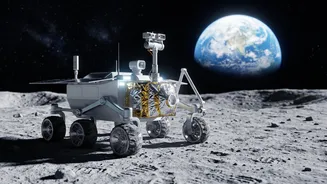
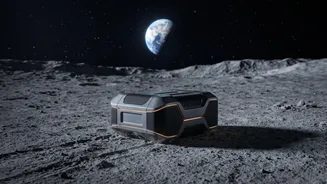
The latest breakthroughs aren't about generating more heat, but about managing it with unprecedented intelligence. Companies like Advanced Cooling Technologies (ACT) are developing sophisticated Thermal Management Systems (TMS) for missions like NASA's upcoming VIPER rover. The core of this innovation is a system that acts like a rover's circulatory system, moving heat where it's needed and, crucially, stopping it from escaping. These systems use advanced components like Loop Heat Pipes (LHPs) and thermal control valves. This approach creates a 'warm box' to house the most sensitive electronics, keeping them safe and functional.
How the New Systems Work
Think of it as a smart thermostat for the Moon. During the lunar day, when the rover's electronics are running hot, the Loop Heat Pipes transfer excess heat to radiators that release it into space. But during the frigid lunar night, the system shifts into survival mode. Special thermal control valves can effectively 'turn off' the heat pipes, preventing heat from escaping through the radiators. This insulates the electronics from the extreme external cold. One new design from Nagoya University in Japan even uses an electrohydrodynamic (EHD) pump to create a magnetic field that completely blocks the flow of refrigerant in the heat pipe at night, acting as a perfect thermal switch with minimal power use. This means the rover's own operational heat can be conserved to keep it alive without draining precious battery power.
Unlocking a New Era of Lunar Exploration
This ability to reliably survive the lunar night is a game-changer. It transforms lunar missions from short, 14-day sprints into long-duration marathons. Rovers equipped with these systems, like the planned VIPER, can operate for 100 days or more, covering more ground and gathering significantly more data. This is especially critical for exploring the Moon's South Pole, where permanently shadowed regions are believed to hold vast reserves of water ice. By enabling robots to endure the darkness, we can map these resources, which are essential for future human outposts and creating a sustainable presence on the Moon. Surviving the night is the key that unlocks the door from brief visits to long-term settlement.