
Recognising a Top-Heavy Plant
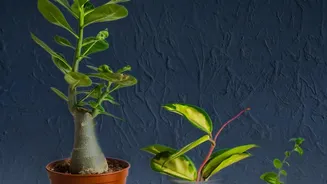
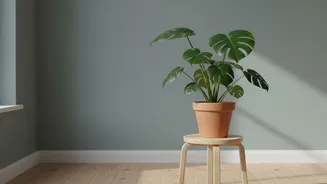
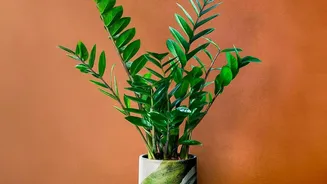
An unstable plant is usually easy to spot. The most obvious sign is that it tips over with the slightest nudge, a gust of wind, or even under its own weight. This often happens when the foliage and stems grow much larger and heavier than the root system
and pot can support. You might notice the plant leaning significantly to one side, often towards a light source. Other tell-tale signs are more subtle: roots might be growing out of the drainage holes, or the plant might be pushing itself up and out of the pot. Another key indicator is if the soil dries out very quickly, suggesting the pot is filled more with roots than soil, leaving little to hold moisture or provide a stable anchor.
Why Stability Matters
A wobbly plant is more than a minor inconvenience. Each time a plant topples, it risks damaging its leaves and stems. More critically, the fall can shock the root system, causing stress that may lead to yellowing leaves or stunted growth. If the plant is root-bound—meaning its roots have filled the pot and are circling tightly—its health is already compromised. A top-heavy plant is essentially telling you its current home is too small to provide the physical support and nutrients it needs to continue growing healthily. Addressing the instability is crucial for the plant's long-term survival and aesthetics.
Choose a Wider or Heavier Pot
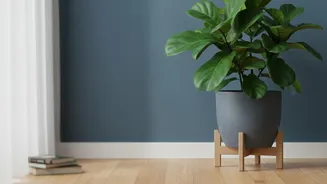
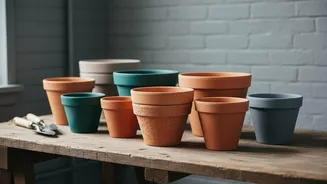
The headline gives the solution away: you need a different pot. But the choice between wider and heavier is important. A pot with a wider base provides a more stable footprint, making it much harder to tip over. Look for square containers or pots that are wider at the bottom than the top. Alternatively, a heavier pot can provide the necessary ballast. Materials like terracotta, ceramic, stone, or concrete are significantly heavier than plastic and are excellent for anchoring tall plants. Terracotta has the added benefit of being porous, which helps soil dry out evenly. For very large plants, especially outdoors, heavier metal planters can also be a sturdy option. The new pot should generally be about 2 to 3 inches larger in diameter than the previous one.
The Art of Repotting for Stability
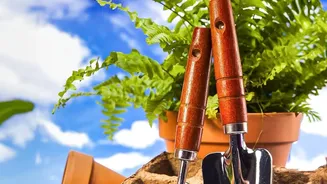
Repotting is best done in the spring, before the main growing season begins. Start by watering your plant about an hour before you plan to repot. Gently remove the plant from its old pot. If it's stuck, tap the sides to loosen it. Examine the root ball. If the roots are tightly coiled, gently tease them apart with your fingers. You can also trim any dead or excessively long, thread-like roots. Place a layer of fresh potting mix at the bottom of the new, heavier or wider pot. Centre the plant, ensuring the top of the root ball sits about an inch below the rim of the pot. Fill in the sides with fresh soil, gently packing it to remove air pockets but not so tightly that it suffocates the roots. Water the plant thoroughly and place it in its preferred light conditions.
Alternatives and Additional Support
Sometimes, a new pot isn't the only answer. Pruning can help manage a plant's size and shape, reducing the top-heaviness. Trimming back long, leggy stems or some of the upper foliage can help restore balance and encourage bushier growth. For vining or very tall plants, adding physical support is a great solution. Inserting a stake, moss pole, or small trellis into the pot gives the plant something to lean on or climb. Slide the stake down the inside edge of the pot to avoid damaging the main root ball. Then, use soft ties, like garden twine or strips of old fabric, to loosely secure the plant's stem to the support. This combination of a stable pot and added support will keep your tall plants standing proud.