




The Great Protein Push
Walk down any supermarket aisle, and you'll see the evidence of our collective protein fixation. It's added to everything from breakfast cereal to ice cream. The message is clear: protein is the key to a stronger, leaner body. This push is driven by its
well-known benefits, including muscle repair, satiety (which helps with weight management), and its role as a fundamental building block for your body. While most people in the US meet or exceed their protein needs, the marketing hype can make you feel like you're not getting enough. But just because some is good, doesn't mean a lot is better. The body can't store extra protein, so anything beyond your daily needs is either converted for energy or, more likely, stored as fat.
How Much Do You Actually Need?
So what's the magic number? According to the Indian Council of Medical Research (ICMR), a healthy, sedentary adult needs about 0.83 grams of protein per kilogram of body weight. For a person weighing 65 kg, that’s around 54 grams daily. However, this is a baseline to prevent deficiency. Your individual needs can vary based on age, gender, and activity level. For instance, if you exercise moderately, you might need 1.0 to 1.2 grams per kg. Those engaged in intense strength training may require 1.2 to 1.7 grams per kg. It's also recommended that adults over 40 increase their intake slightly to about 1 to 1.2 grams per kg to help prevent age-related muscle loss, a condition known as sarcopenia.
The Hidden Risks of Protein Overload
Consuming protein far beyond your needs can put a strain on your body. One of the most cited risks involves the kidneys. Your kidneys work to filter waste products from protein metabolism, and a consistently high intake forces them to work overtime, which can be risky for those with pre-existing kidney conditions. Other potential side effects include dehydration, as your body uses more water to flush out nitrogen waste from protein breakdown. This can lead to symptoms like headaches and fatigue. Furthermore, high-protein diets, especially those that are low in carbohydrates and fiber, can cause digestive issues like constipation. Some studies also suggest a link between very high intake of animal protein, particularly red and processed meats, and an increased risk of heart disease and certain cancers.
Not All Protein Is Created Equal
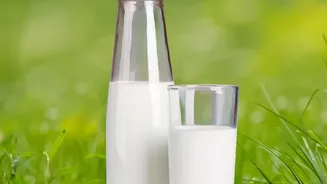
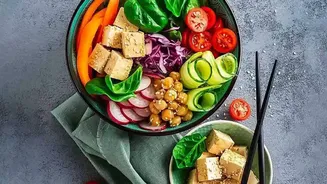
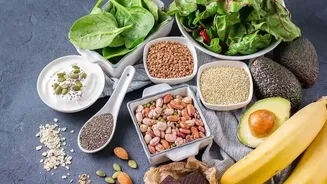
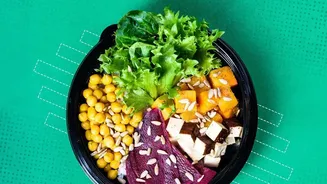
Where your protein comes from matters just as much as how much you eat. A diet high in red meat might carry different risks than one rich in plant-based proteins. Indian diets, which often rely heavily on plant-based proteins from dals, legumes, and cereals, present a unique consideration. While excellent, these sources can have lower digestibility compared to animal proteins. The key is variety. Incorporating a mix of high-quality protein sources ensures you get a complete range of essential amino acids. Good sources include lean meats, fish, eggs, dairy products like paneer and curd, and a wide array of plant sources such as lentils, chickpeas, beans, tofu, and nuts.
Finding Your Sweet Spot
Instead of aiming for the highest possible number, focus on balance. Spreading your protein intake throughout the day can be more beneficial than consuming most of it in one large evening meal. Aiming for 15-30 grams of protein per meal is a good general guideline for most people. This could look like a bowl of dal, a serving of curd, and some vegetables for one meal, and a piece of grilled chicken or paneer with a side of legumes for another. Listen to your body and focus on whole-food sources rather than relying heavily on ultra-processed shakes and bars, which can contain unwanted additives and sugars. Ultimately, a balanced plate that includes adequate protein, complex carbohydrates, healthy fats, and plenty of fiber from fruits and vegetables is the most sustainable path to good health.