
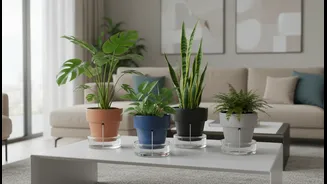
Pre-Departure Plant Checklist
A day or two before you leave, give your plants a final, thorough watering. Water until it runs freely from the drainage holes to ensure the entire root ball is saturated. This isn't the time for a quick splash; it's a deep drink to build up a moisture
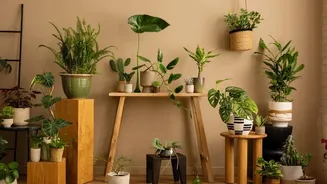
reserve. While you're at it, do a quick health check. Remove any yellowing leaves or spent flowers. This tidying up reduces the plant's water needs and prevents potential pest or disease issues while you’re gone. Finally, group your indoor plants together away from direct sun. Moving them to a cooler spot with indirect light slows down evaporation and water consumption. Grouping them also creates a small pocket of humidity, which benefits the plants.
Factor 1: The Influence of Pot Size
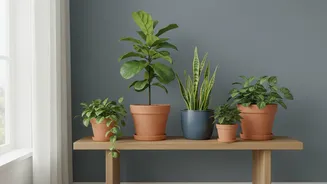
Not all pots are created equal, and their size and material are critical factors in your holiday watering strategy. Small pots hold less soil and therefore dry out much faster than large ones, often needing attention every few days. Large planters retain moisture for significantly longer periods. The pot's material also plays a huge role. Porous terracotta pots allow air and water to pass through their walls, which means the soil dries out more quickly. This is great for preventing root rot in succulents but a liability during a vacation. Plastic or glazed ceramic pots, on the other hand, are non-porous and hold moisture much longer, making them a safer bet for holiday periods. When planning, give priority to plants in smaller, terracotta pots, as they are the most vulnerable.
Factor 2: Decoding Your Window's Direction
The amount of light a plant receives directly impacts how quickly it uses water. A plant in a hot, sunny window will be much thirstier than one in a cool, dim corner. Understanding your windows is key. South-facing windows provide the most intense light and heat, making them a danger zone for plants left unattended during a sunny holiday. West-facing windows get strong, hot afternoon sun, which can also scorch leaves and dry out soil rapidly. East-facing windows offer gentler morning sun and are often a safer bet. North-facing windows provide the least light, meaning plants there will use water very slowly. Before you leave, move plants away from south and west-facing windows to a spot with bright but indirect light. This simple move can dramatically reduce their water needs.
Choosing Your Vacation Watering Method
For trips longer than a few days, a deep soak beforehand won't be enough. Thankfully, several simple DIY methods can keep your plants hydrated. The Water Wicking Method is a popular choice for consistent moisture. Place a large container of water next to your plant, with one end of a cotton rope or string pushed deep into the soil and the other end submerged in the water. The rope will slowly wick water into the pot as the soil dries. For a simpler approach, the DIY Drip System involves piercing small holes in the cap of a plastic bottle, filling it with water, and inserting it upside down into the soil. The water will drip out slowly, providing a steady supply. For a collection of moisture-loving plants, the Bathtub Method can work for up to a week. Place a towel in the bottom of your tub, add a few inches of water, and arrange your pots on top.
Welcome Home: Easing Your Plants Back
When you return, resist the urge to immediately drench your plants with water. Check the soil first. Some plants might be perfectly fine, while others may be bone dry. For those that are very dry, the soil may have pulled away from the sides of the pot, causing water to run straight through. If this has happened, it's best to bottom-water by placing the pot in a sink or basin with a few inches of water for an hour to allow the soil to rehydrate thoroughly. Check for any signs of stress, such as wilted or dropped leaves, but don't panic. Most hardy houseplants will recover quickly once their normal routine is restored. Move them back to their usual spots and resume your regular watering schedule, always checking the soil moisture first rather than watering on a strict schedule.