






More Than Just Heavy Rain
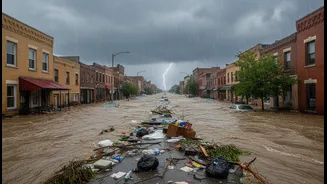
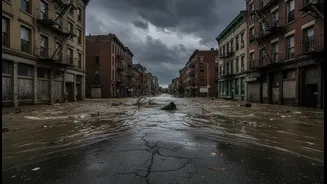
The chaos unfolding on the streets of Mumbai, Delhi, and Bengaluru isn't simply a case of a heavy downpour. It's a symptom of a much larger crisis. Climate change is fundamentally altering the monsoon's behaviour. Instead of steady, distributed rainfall,
cities are now facing short, terrifyingly intense bursts of rain. For example, in one week in early July 2026, Mumbai received more rain than Delhi gets in an average year. This new pattern of extreme weather events overwhelms systems designed for a different, more predictable climate. The result is that even a few hours of intense rain can bring a metropolis to its knees, a situation made worse by factors like the El Niño phenomenon which can delay and then intensify rainfall.
The Anatomy of Urban Collapse
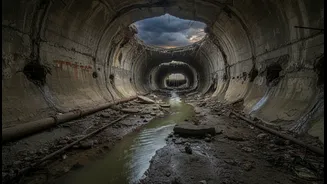
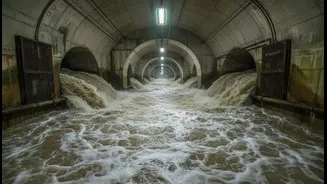
Our cities are physically unprepared for this new reality. Decades of rapid, often unplanned, urbanisation have created a perfect storm for flooding. Natural sponges that once absorbed excess water—lakes, wetlands, and floodplains—have been systematically encroached upon and paved over for construction. Bengaluru, for instance, has lost a significant percentage of its lakes to urban development. What's left is a vast, impermeable landscape of concrete and asphalt. Rainwater, with nowhere to go, surges into drainage systems that are often old, poorly maintained, and clogged with plastic waste and silt. Many of these networks, like Mumbai's colonial-era drains, were designed for a much smaller population and far less rainfall, and are now hopelessly overburdened.
A System Under Strain
The failure is not just in pipes and drains, but in planning and governance. Responsibility for urban flood management is often fragmented across multiple municipal and state-level agencies with little coordination. This leads to a lack of accountability, where pre-monsoon preparedness often exists only on paper. Projects to upgrade critical infrastructure, like Mumbai's BRIMSTOWAD drainage project, remain incomplete, leaving the city vulnerable. Furthermore, Urban Local Bodies (ULBs) frequently lack the financial resources and technical expertise to implement effective, long-term flood mitigation measures. This chronic under-resourcing means cities are always in a reactive-repair cycle rather than proactively building resilience.
The Human and Economic Price
The consequences of this systemic failure are paid by ordinary citizens. The daily toll includes paralysed transportation, with trains and flights cancelled and commuters stranded for hours. But the costs run deeper. Businesses suffer from shutdowns and logistical nightmares. Homes and property are damaged, with low-lying areas and informal settlements disproportionately affected. The recent monsoon spells have led to tragic fatalities from building collapses, landslides, and even electrocutions in waterlogged streets. There is also a severe public health risk, as floodwaters can spread waterborne diseases. This recurring cycle of disruption and damage chips away at the economic vitality and liveability of our most important urban centres.
Is There a Way Out?
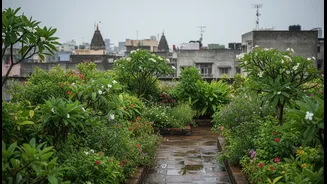
Escaping this 'monsoon era' requires more than just desilting drains before the rains. Experts point towards a fundamental shift in urban planning. One promising concept is the "Sponge City" approach, which involves creating more permeable surfaces like rain gardens and green roofs to absorb rainwater naturally. Restoring urban water bodies like lakes and wetlands is also critical to recreating natural buffers. This needs to be coupled with a massive upgrade of drainage infrastructure, designed to handle the rainfall intensities of the 21st century. Ultimately, building resilient cities requires strong political will, dedicated funding for climate adaptation, and a clear, accountable governance structure that can see beyond the next election cycle and plan for the next fifty years.