



What is a Dark Sky Reserve?
Before diving into why they are popular, it helps to know what a Dark Sky Reserve is. Officially certified by the International Dark-Sky Association (IDA), these are areas recognised for their exceptional starry nights and a dedicated commitment to preventing
light pollution. A reserve consists of a dark 'core' area with pristine skies, surrounded by a populated periphery where communities have adopted responsible lighting policies to protect the core's darkness. It’s a global conservation effort to protect not just our view of the cosmos, but also nocturnal ecosystems and our shared cultural heritage of the night sky. There are over 200 certified Dark Sky Places worldwide, and India has now joined this exclusive club.
India's Pioneer: The Hanle Dark Sky Reserve
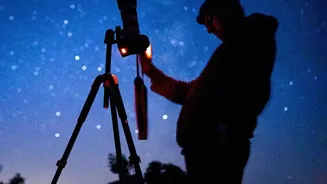
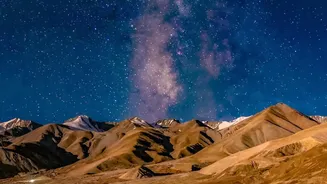
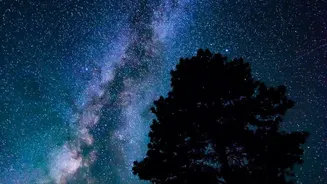
The heart of India's stargazing boom is the Hanle Dark Sky Reserve, located in the remote Changthang region of Ladakh. Designated in 2022, it's the nation's first and is centered around the Indian Astronomical Observatory, one of the world's highest-altitude sites for optical, infrared, and gamma-ray telescopes. Situated at 4,500 meters, Hanle's high altitude, dry air, and minimal cloud cover for about 270 nights a year create near-perfect conditions for looking at the stars. The air is so clear and the light pollution so low that the sky earns a Bortle Class 1 rating—the darkest possible. For city dwellers, the sight of the Milky Way stretching across this pristine sky is an unforgettable, almost spiritual experience.
The Rise of the Astrotourist
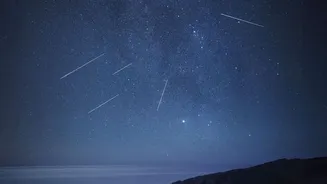
The establishment of the Hanle reserve has tapped into a burgeoning travel trend: astrotourism. For many Indians, the chance to escape light-polluted urban skies is becoming as compelling as visiting a historical monument or a wildlife sanctuary. This isn't just for professional astronomers anymore. The trend is fuelled by a growing public fascination with space, spurred by India's recent successes like the Chandrayaan mission, and a post-pandemic desire for outdoor, nature-based experiences. Tour operators report a surge in demand for trips focused on stargazing, astrophotography, and meteor shower viewings. Visitor numbers to Hanle have skyrocketed; what was once a destination for a few thousand people a year saw an influx of over 30,000 after its dark-sky designation, showcasing a massive and growing interest.
More Than Just Stargazing
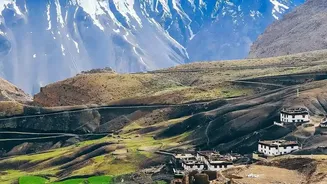
The appeal of Hanle goes beyond just the night sky. The journey itself is an adventure, taking travellers through the breathtaking, high-altitude desert landscape of Ladakh. It offers a unique blend of science, adventure, and cultural immersion. The reserve is a community-driven project, empowering the local population and creating a new, sustainable economy. To preserve the darkness, villagers have adopted special lighting practices, like shielded, warm-toned bulbs and blackout curtains. In return, astro-tourism provides a significant economic boost. Many local villagers, a majority of them women, have been trained as 'Astronomy Ambassadors'. They guide tourists, operate telescopes, and share their knowledge, often hosting visitors in a growing number of homestays that have revived the local economy.