



The Aggressive Towel Rub-Down
When your hair is soaking, the first instinct is often to grab the nearest towel and rub vigorously. This is one of the most common mistakes. Wet hair is in its most fragile state; the hair shaft swells, and its protective outer layer, the cuticle, lifts
slightly. Rubbing it with a coarse bath towel acts like sandpaper, causing friction that leads to frizz, split ends, and breakage. The rainy season's high humidity already makes hair prone to frizz by causing it to absorb moisture from the air, and this habit only exacerbates the problem. Instead, gently squeeze excess water out with your hands. Then, switch your rough towel for a soft microfiber towel or an old cotton t-shirt. Blot and squeeze your hair rather than rubbing to absorb moisture without roughing up the cuticle.
The High-Heat Ambush
In a rush to get hair dry, especially on a damp monsoon morning, it's tempting to turn your blow-dryer to its highest heat setting. This is incredibly damaging. When extreme heat hits soaking wet hair, it can cause the water inside the hair strand to boil and turn to steam, creating tiny, permanent blisters inside the cuticle. This phenomenon, sometimes called "bubble hair," leads to brittle, weak strands. It's far better to let your hair air-dry until it's about 70-80% dry before reaching for the dryer. When you do use a blow-dryer, stick to a low or cool setting. While it takes a few extra minutes, this gentler approach prevents the flash-drying effect that strips hair of its necessary moisture, leaving it strong enough to combat monsoon humidity.
Tying Up Soaking Wet Hair
Pulling wet hair back into a tight ponytail or bun is a habit many are guilty of, but it causes damage on two fronts. Firstly, wet hair is more elastic and breaks easily under tension. Tying it tightly puts stress on the fragile strands and the roots, leading to breakage and even hair fall over time. Secondly, a tight, wet hairstyle traps moisture against the scalp. In the warm, humid monsoon climate, this creates a perfect breeding ground for fungi and bacteria, which can cause dandruff, itchiness, and other scalp infections. If you need to get your hair out of your face, opt for a very loose braid or use a gentle scrunchie to secure a low, loose bun only after your scalp is completely dry.
Brushing From Root to Tip
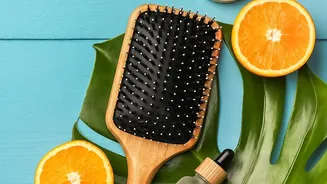
Hearing the snap of a brush forcing its way through tangled, wet hair is a sound of pure damage. Because wet hair stretches more easily, brushing from the roots downwards pulls on knots, stretching the hair to its breaking point. Instead, always detangle from the ends up. Start by using your fingers or a wide-tooth comb to gently work through tangles at the bottom of your hair, gradually moving up towards the roots. This method puts significantly less stress on the hair shaft. For particularly stubborn knots, applying a leave-in conditioner or detangling spray to damp hair can provide the necessary slip to make the process smooth and damage-free.
Ignoring Your Scalp's Health
During the monsoon, the scalp is under constant attack from humidity, sweat, and pollutants in rainwater, which can disrupt its pH balance. Simply drying the lengths of your hair and ignoring a damp scalp is a recipe for trouble. As mentioned, a persistently damp scalp can foster fungal growth, leading to persistent dandruff and irritation. It's crucial to ensure your scalp gets completely dry. After gently towel-drying, focus your blow-dryer on a cool setting at the roots first. A healthy, dry scalp is the foundation for strong hair that is less susceptible to the season's challenges. Avoid applying heavy oils and leaving them overnight, as this can further clog follicles in the humid weather.