

The Viral Trend: What Are Retinol Ice Cubes?
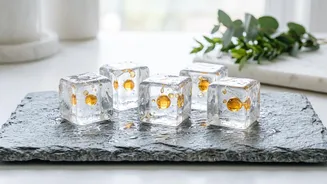
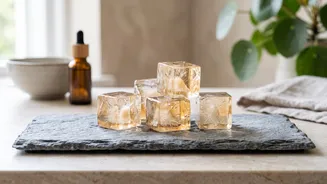
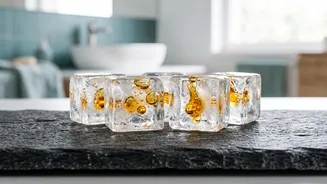
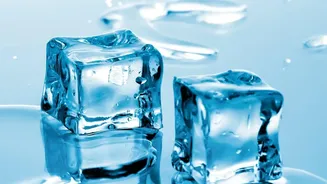
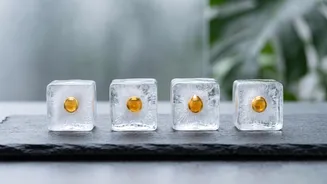
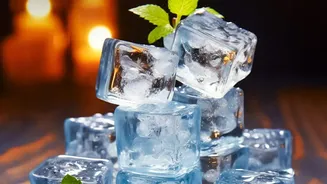
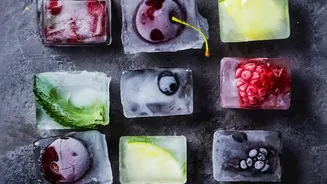
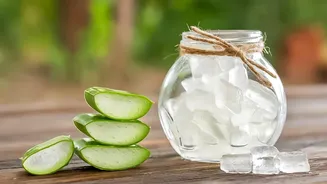
The idea behind retinol ice cubes is simple and alluring. The trend involves freezing a retinol-based product, often mixed with water or other ingredients, into ice cube trays. These are then rubbed onto the face, combining the anti-inflammatory benefits
of cold therapy (cryotherapy) with the powerful effects of retinol. The goal is to supposedly reduce puffiness, tighten pores, and deliver the anti-ageing benefits of retinol all in one go. Some online 'recipes' even suggest making juices from vitamin A-rich foods like carrots and freezing them, incorrectly labelling them as 'retinol' drinks or cubes. This has created significant confusion around what retinol actually is and how it should be used.
The Expert Verdict: A Risky DIY
While applying ice to the skin can temporarily reduce redness and swelling, dermatologists are wary of this DIY trend. Firstly, retinol is a highly unstable molecule. Its effectiveness can be compromised by exposure to air, light, and extreme temperatures. While some suggest refrigeration can prolong the life of a retinoid, freezing it—especially when mixed with water in an uncontrolled home environment—can destabilize the formula, potentially rendering it ineffective or, worse, causing irritation. Commercial skincare products are carefully formulated by chemists to ensure stability and proper penetration. Freezing and then melting a product alters its intended consistency and can lead to an uneven application, increasing the risk of burns, irritation, and a damaged skin barrier.
Retinol: The Anti-Ageing Powerhouse
Retinol is a derivative of vitamin A and is considered the gold standard in anti-ageing skincare for a reason. It works on a cellular level to accelerate skin cell turnover, a process that slows down as we age. This rapid renewal helps unclog pores, reduce acne, and improve skin texture. Furthermore, retinol stimulates the production of collagen, the protein responsible for skin's firmness and elasticity, which helps diminish the appearance of fine lines and wrinkles. However, this power comes with a catch: retinol can be irritating, especially when first introduced into a routine, causing dryness, peeling, and redness. It requires slow, careful introduction and consistent use to allow the skin to build tolerance.
Vitamin E: The Protective Antioxidant
Vitamin E, often listed as tocopherol, is a fat-soluble antioxidant that plays a completely different role. Its primary function is to protect the skin from damage caused by environmental stressors like UV radiation and pollution. It does this by neutralizing unstable molecules called free radicals, which break down collagen and accelerate ageing. Vitamin E is also an excellent moisturising ingredient. It strengthens the skin's natural barrier, helping to lock in moisture and prevent dehydration. This makes it particularly beneficial for those with dry or compromised skin. Unlike retinol, Vitamin E is generally well-tolerated and is known for its soothing and healing properties.
Retinol vs. Vitamin E: Key Differences
The simplest way to think about it is that retinol is a 'transformer' while Vitamin E is a 'protector'. Retinol actively changes the structure and function of your skin by promoting cell turnover and collagen production. Vitamin E, on the other hand, is a defensive player that shields your skin from external damage and keeps it moisturised and calm. This is why they are often found together in skincare formulations. Vitamin E can help stabilize the retinol and also soothe some of the irritation that retinol can cause, making the powerful active more tolerable. If your goal is to address wrinkles, uneven texture, or acne, retinol is the proven active ingredient. If your concern is dryness, irritation, or environmental protection, Vitamin E is your ally.