


Celebrating the King of Mangoes
For many in India, the arrival of Alphonso mangoes is a cultural event, a fragrant marker that summer has truly begun. Grown primarily along the western coast in regions like Ratnagiri and Devgad in Maharashtra, this seasonal delicacy is prized for its
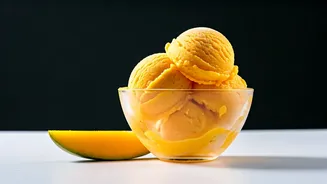
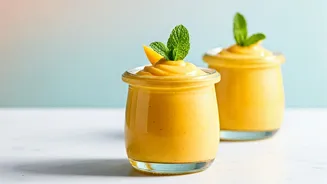
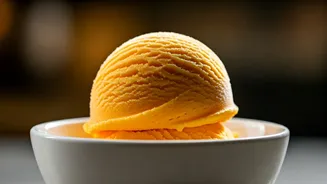
unique combination of flavour and texture. Unlike other varieties, the Alphonso boasts a rich, creamy, and non-fibrous pulp, making it exceptionally well-suited for desserts like sorbet. Its flesh has a deep saffron-golden hue, and its aroma is an intense, sweet perfume with notes of honey and citrus. The season is fleeting, typically running from March until the monsoon arrives in June, which makes every bite a precious experience.
The Beauty of Three Ingredients
When you start with an ingredient as perfect as a ripe Alphonso, you don't need much else. This recipe is built on that philosophy. The goal is to let the mango's natural character shine, not to mask it with unnecessary additions. A great sorbet balances sweetness, texture, and flavour, and the Alphonso provides all three. Its natural pectin and buttery consistency create a creamy feel without any dairy, making this dessert inherently vegan and fat-free. You only need two other components to elevate it: a touch of sweetener to enhance the flavour and ensure a smooth, scoopable texture, and a splash of citrus to brighten and balance the sweetness. The result is pure, unadulterated mango bliss.
Your Simple Shopping List
This recipe is as easy to shop for as it is to make. You will need:
- 3 large, ripe Alphonso mangoes: Choose fragrant mangoes that yield slightly to gentle pressure. The skin should be a vibrant golden-yellow, sometimes with a reddish blush. For the best results, you'll want about 3-4 cups of mango chunks.
- 2-3 tablespoons of a liquid sweetener: You have options here. Maple syrup, agave nectar, or a simple sugar syrup (made by dissolving equal parts sugar and water) all work well. The amount you use will depend on the sweetness of your mangoes, so it's best to taste as you go.
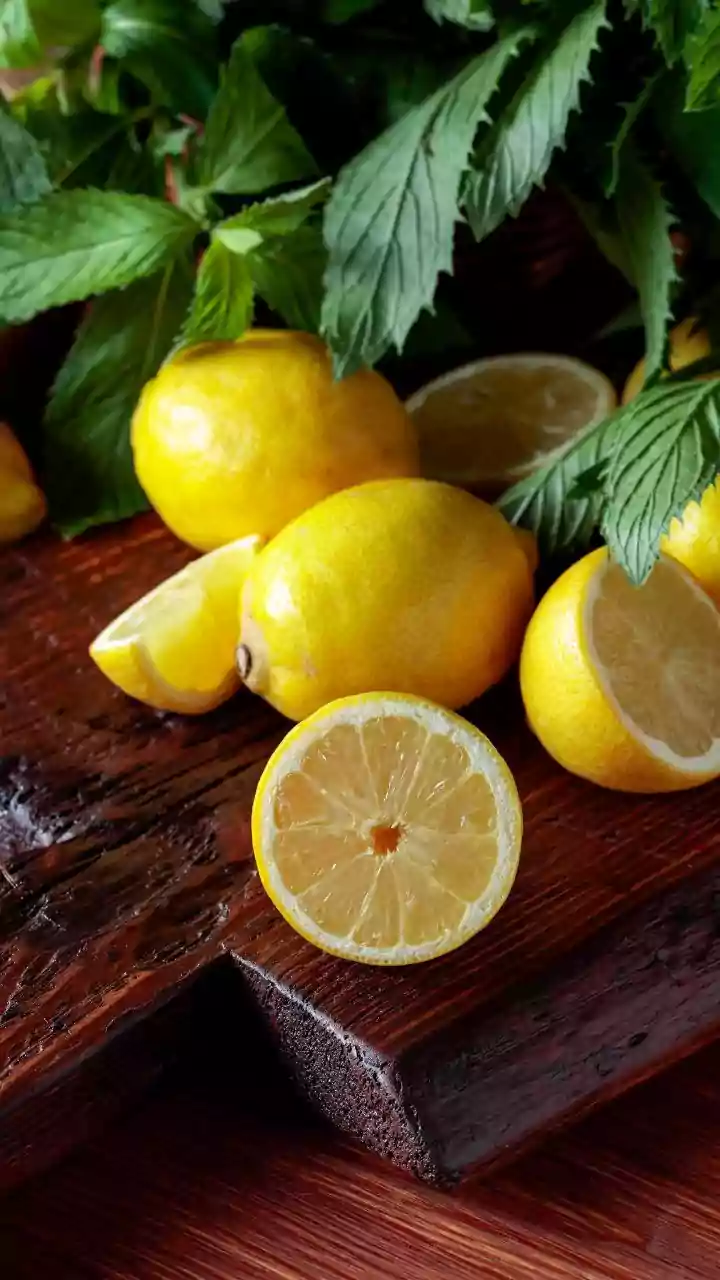
- 2 tablespoons of fresh lime juice: This is the secret weapon. The acidity of the lime cuts through the richness of the mango, preventing the sorbet from being overly sweet and adding a refreshing zest. Lemon juice can also be used.
The No-Churn Method: Step by Step
You don't need a fancy ice cream maker for this recipe; a good blender or food processor is all it takes. The key is to use frozen mango chunks to create an instant creamy texture.
- Prep and Freeze the Mangoes: Peel the mangoes and cut the flesh away from the stone. Chop the flesh into small, roughly 1-inch cubes. Spread the cubes in a single layer on a parchment-lined tray and freeze until solid, which usually takes at least 4-5 hours, or overnight.
- Blend Until Smooth: Place the frozen mango chunks, your chosen sweetener, and the fresh lime juice into a high-powered blender or food processor. Blend the ingredients, scraping down the sides as needed. At first, it might look crumbly, but be patient. It will transform into a thick, smooth, soft-serve consistency.
- Serve or Freeze for a Firmer Scoop: You can enjoy the sorbet immediately for a soft-serve style treat. For a firmer, more traditional scoopable sorbet, transfer the mixture to a freezer-safe container, like a loaf pan. Cover the surface with parchment paper to prevent ice crystals, and freeze for at least 2-3 hours.
Tips for Sorbet Perfection
Making sorbet without an ice cream machine can sometimes lead to an icy texture. Here’s how to avoid that for the smoothest possible result. The most accessible no-churn method involves breaking up ice crystals as they form. After blending your sorbet base, pour it into a container and place it in the freezer. Every 30 to 45 minutes for the first 2-3 hours, take it out and stir it vigorously with a fork or whisk to break up any large ice crystals that have formed. This repeated agitation mimics the churning process, resulting in a much smoother final product. For an extra-smooth texture, some recipes suggest adding a tablespoon of a neutral spirit like vodka, which lowers the freezing point and prevents the sorbet from becoming too hard.