






The Science of Withdrawal
The southwest monsoon’s withdrawal is not like flipping a switch. It is a gradual and phased process marking the reversal of the large-scale atmospheric circulation. The moisture-laden southwesterly winds that bring rain to the subcontinent begin to retreat,
replaced by drier northwesterly winds. This process officially begins when specific criteria are met, including a reduction in rainfall, a drop in moisture levels, and the establishment of an anticyclone—a high-pressure system—over the lower troposphere in northwestern India for a sustained period. This change in wind patterns starts in the extreme northwestern parts of the country and slowly progresses southeastward over several weeks. It’s a transition, not an abrupt end, meaning rainfall patterns shift from widespread and persistent to more scattered and localised.
When Does It Start in 2026?
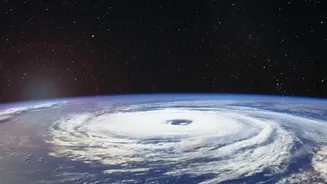
While satellite images on September 8th showed remarkably clear skies over large parts of northwest and central India, this doesn't signify an official withdrawal just yet. Forecasters note this is a sign of weakening monsoon activity, likely influenced by strong El Niño conditions. According to weather models, the formal withdrawal process is expected to begin from parts of northwest India only after September 15. The typical withdrawal date from the region is around September 17. Projections indicate that the anticyclonic circulation required for withdrawal will gradually strengthen and could mature more fully around September 21, setting the stage for a more organized retreat. This timeline suggests a withdrawal that is close to its normal schedule.
So, Less Rain for September?
This is the crucial question. For September as a whole, the India Meteorological Department (IMD) has forecast below-normal rainfall for the country. This is largely attributed to the strengthening El Niño conditions in the Pacific Ocean, which historically suppress monsoon rainfall in India. The IMD defines below-normal as less than 91% of the Long Period Average (LPA) for the month, which is 167.9 mm. However, this doesn't mean dry days for everyone. The withdrawal from the northwest doesn't stop rain elsewhere. In fact, active weather systems can still bring significant rainfall to other regions. For instance, the IMD has forecast fairly widespread to widespread rainfall across several states in the north, east, and northeast through September 13. Heavy showers are expected in parts of Uttar Pradesh, Uttarakhand, Bihar, and the northeastern states during this period.
A Tale of Two Indias
September's weather map is shaping up to be a story of sharp contrasts. While the overall national forecast is for below-normal rain, some regions are expected to see normal to above-normal precipitation. These include parts of the northeast, east, east-central India, and some areas in the northwest and southeast peninsula. Even as the monsoon winds begin their retreat, low-pressure areas and other systems can keep the rains active. For the week of September 7-13, active rainfall is predicted for central and eastern India, including Madhya Pradesh, and southern states like Kerala. This regional variation is a hallmark of the monsoon's withdrawal phase. While one part of the country experiences drier conditions and clearing skies, another can simultaneously be dealing with active monsoon conditions and even heavy rainfall.
Impact on Farming and Water
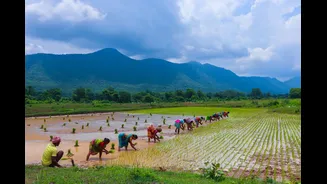
The timing and intensity of these late-season rains are critical, especially for agriculture. September rainfall is crucial for determining the soil moisture needed for the upcoming rabi (winter) crop planting season, which includes wheat, rapeseed, and chickpeas. A drier-than-normal end to the monsoon can hamper seed germination and affect crop yields. The season has already seen significant rainfall deficits in some areas, with South Peninsular India being 27% below normal as of early September. This uneven distribution has already put stress on water resources. Weak rainfall reduces inflows into reservoirs, impacting not only drinking water availability but also hydropower generation, which in turn increases reliance on fossil fuels to meet energy demands.