



The Fountain of Youth in Your Diet?
The idea that eating less could extend life isn't new. For decades, caloric restriction has been a hot topic in longevity research. More recently, the focus has shifted to protein. A major review of over 350 studies found that restricting protein intake
could slow biological ageing and improve metabolic health in organisms like yeast, flies, and mice. In some animal studies, a lower-protein diet was linked to a longer lifespan. The theory is that limiting protein, or specific amino acids like methionine and valine, shifts cells from a 'growth' mode to a 'repair and recycle' state, which may protect against age-related damage. Some research points to a hormone called FGF21, which increases when protein is limited, as a potential driver of these benefits.
Why Mice Aren't Men
While the results in laboratory animals are intriguing, they don't automatically translate to humans. The review itself stresses that it does not establish that protein restriction extends human lifespan. The human studies included were generally small, short-term, and focused on metabolic markers like weight loss and blood sugar, not longevity. Nutritional science is complex, and it is incredibly difficult to conduct a decades-long study controlling the diets of thousands of people to prove a direct cause-and-effect relationship between protein intake and how long we live. Factors like genetics, lifestyle, and overall diet quality play enormous roles that can't be isolated in a lab.
The Dangers of Too Little Protein
Before you drastically cut protein from your diet, it's crucial to understand its essential roles. Protein is a vital building block for almost every part of your body. A deficiency can lead to a host of problems, including muscle wasting (sarcopenia), hair loss, skin issues, a weakened immune system, and slow wound healing. In severe cases, it can cause conditions like edema (swelling) and fatty liver disease. The risk of inadequate protein intake is a significant concern, especially for certain groups who have higher needs.
Why Older Adults May Need More Protein
Contrary to the restriction theory, many experts argue that older adults actually need more protein, not less. As we age, our bodies become less efficient at using the protein we eat to build and maintain muscle, a condition known as anabolic resistance. This contributes to sarcopenia, the age-related loss of muscle mass and strength, which increases the risk of frailty, falls, and fractures. To counteract this, expert groups recommend that healthy adults over 65 consume 1.0–1.2 grams of protein per kilogram of body weight daily—significantly more than the standard recommendation for younger adults. For those with chronic illnesses, the recommendation can be even higher.
Focus on Quality and Balance
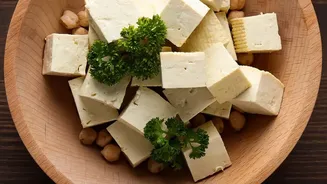
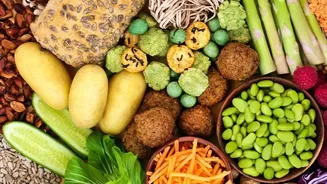
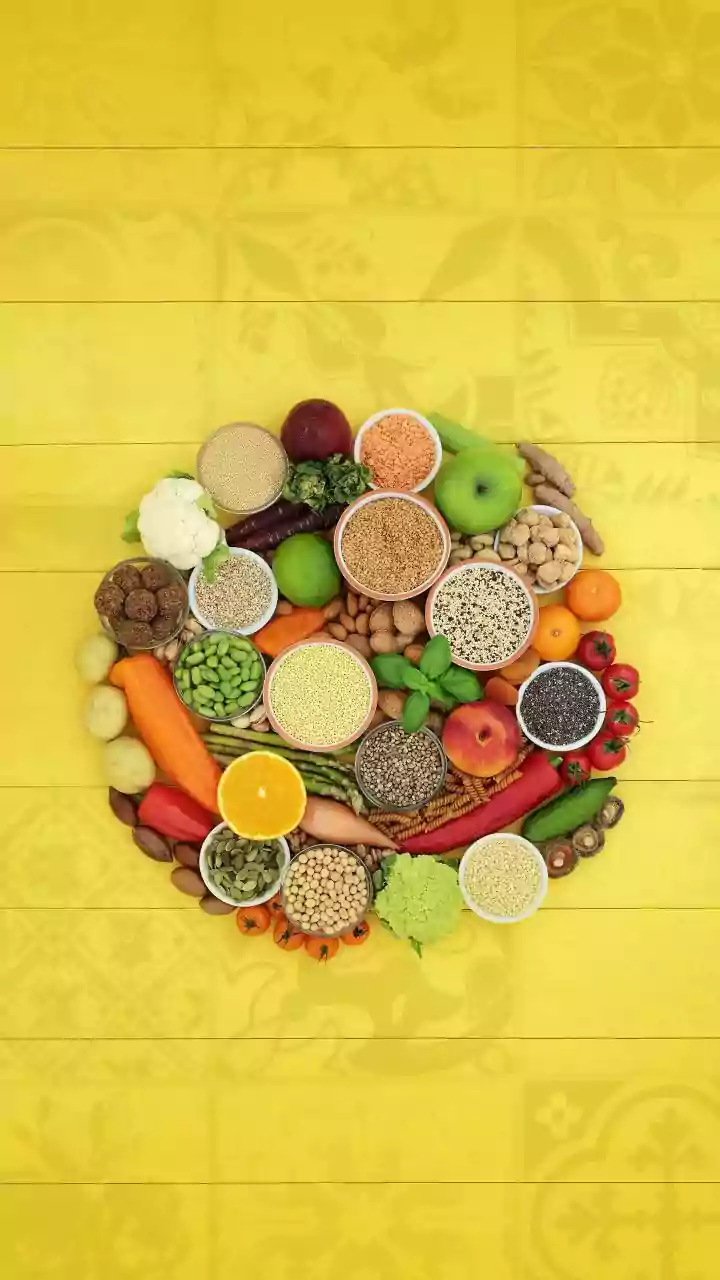
So, what’s the takeaway? Instead of extreme restriction, the science points toward a more balanced and personalised approach. The source of your protein matters. Some studies suggest that plant-based proteins are associated with better health outcomes compared to high intakes of animal protein, particularly red meat. Rather than focusing on a single nutrient, a better strategy is to adopt a healthy, balanced dietary pattern. Spreading your protein intake evenly throughout the day, aiming for about 25-30 grams per meal, can help maximise muscle protein synthesis, especially in older adults. The consensus is clear: a one-size-fits-all approach to protein doesn't work. Individual needs vary based on age, activity level, and overall health.