


A Global Look at Healthy Eating
The 2026 State of Food Security and Nutrition in the World (SOFI) report, a major annual assessment from five UN agencies, paints a clear and challenging picture. While global hunger has seen a slight decline for the third year in a row, a staggering
2.1 billion people still face food insecurity. More pointedly, the report highlights that the cost of a healthy diet remains out of reach for billions, with an estimated 2.69 billion people unable to afford one. The report calculates the global average cost of a healthy diet at $4.28 (in purchasing power parity) per day, which is significantly above the extreme poverty line. This affordability crisis is the central theme, emphasising that government policies have often focused on subsidising cheap calories from staples rather than making nutrient-dense foods like fruits, vegetables, and proteins more accessible.
The Myth of 'Premium' Nutrition
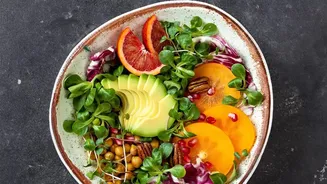
The UN report's findings directly challenge the pervasive myth that better health requires expensive ingredients. The core message is that nutrition is delivered through balanced dietary patterns, not by single, high-priced 'superfoods'. This idea is particularly relevant in India, where a perception has grown that healthy eating involves imported oats, avocados, or protein bars. However, this is largely a marketing-driven misconception. The truth, supported by the report's focus on affordability, is that foundational, everyday foods provide the nutrients we need. The focus on 'premium' can be misleading, as studies have shown people often perceive more expensive foods as healthier, even without evidence. The real value lies in the nutrient density of foods, not their price tag or exotic origin.
India's Affordable Powerhouses
Fortunately, India's traditional food systems are rich with affordable, nutrient-dense options. A balanced and healthy diet can be achieved on a modest budget, often between ₹150 to ₹200 per person per day. The building blocks are staples that have been part of Indian kitchens for generations. Pulses and lentils like toor and moong dal, along with groundnuts, are incredibly cost-effective sources of protein. Millets such as jowar, bajra, and ragi offer superior nutritional profiles compared to refined flours at a similar or lower cost. When it comes to vegetables, seasonal produce is king. Items like spinach, fenugreek leaves (methi), and various gourds are inexpensive when bought in season from local markets and are packed with vitamins and minerals. A simple, home-cooked meal of dal, roti, and sabzi consistently provides better nutrition than most processed or restaurant foods.
Smart Choices for a Healthy Plate
The UN report ultimately serves as a guide for making smarter, more accessible food choices. The priority should be a diverse diet built on whole foods. This means focusing on what's local and seasonal, which is not only cheaper but also fresher and more nutritious. Planning meals, buying staples like grains and pulses in larger quantities, and shopping at local mandis instead of relying solely on supermarkets are practical strategies to lower costs without sacrificing health. It's also important to limit highly processed foods, which are often stripped of nutrients and loaded with unhealthy fats, sugar, and salt. The goal is to focus on the overall quality and variety of your diet. Swapping an expensive, imported berry for a seasonal, local banana or guava is a nutritionally sound and economically wise decision.