



From Special Occasion to Daily Staple
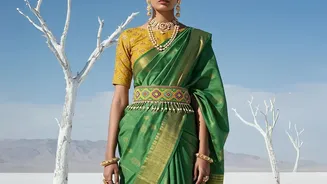
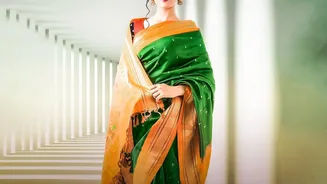
For generations, handloom fabrics were synonymous with special events. Think rich Banarasi silks for weddings or heavy Kanjivarams for festivals. These textiles were treasured but often reserved, deemed too precious or cumbersome for the daily grind.
That perception is now shifting dramatically. The move towards sustainable, slow fashion, coupled with a renewed appreciation for comfort, has sparked a revival. Consumers are increasingly looking for clothes with a story and a soul, and designers are responding by taking these heritage textiles off the pedestal and into our everyday wardrobes. This isn't about diluting the craft; it's about expanding its language for a new generation.
It All Starts With The Right Weave
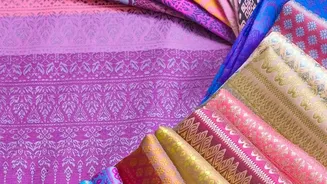
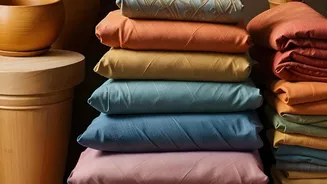
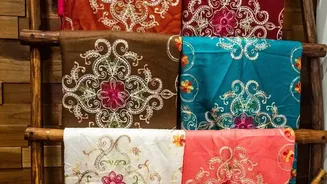
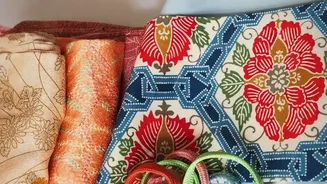
The key to everyday handloom is choosing the right material. Forget the stiff, heavy silks of the past. This revival is championed by breathable, skin-friendly fabrics perfectly suited to the Indian climate. Lightweight cottons like Khadi, Mulmul, Jamdani, and Chanderi lead the charge. Khadi, with its unique ability to stay cool in summer, offers incredible versatility. Jamdani, with its delicate, almost floating motifs, brings an artisanal touch to the simplest garments. Similarly, the airy texture and subtle sheen of Chanderi make it a favourite for elegant yet comfortable dressing. Handloom linen has also become a symbol of understated luxury, getting softer and more comfortable with each wash.
Redefining the Everyday Silhouette
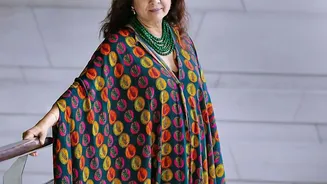
The real game-changer in this revival is the focus on "easier cuts." Designers are moving away from restrictive forms and embracing relaxed, functional, and versatile silhouettes. Think of handloom co-ord sets, which have become a modern ethnic wear staple, offering a polished look with minimal effort. Anti-fit dresses, breezy kaftans, tailored trousers, and oversized shirts in fabrics like Ikat or handwoven cotton are becoming increasingly popular. These modern cuts prove that handloom doesn't have to look traditionally "ethnic." An Ikat shirt paired with jeans or a handwoven midi dress with sneakers is a testament to its new, contemporary identity.
The New Guard of Handloom Fashion
This movement is being spearheaded by a new wave of Indian designers and contemporary brands who see handloom as the foundation of modern, conscious fashion. Labels like Raw Mango with its contemporary Chanderi, 11.11 / eleven eleven with its mastery of indigo and khadi, and Ekaya Banaras reimagining Banarasi weaves for beyond the wedding day are making handloom aspirational and accessible. These brands work directly with artisan clusters, ensuring the preservation of heritage techniques while creating market-ready designs. They are proving that handloom can be fashion-forward, ethically produced, and deeply connected to its roots.
How to Style Your Everyday Handloom
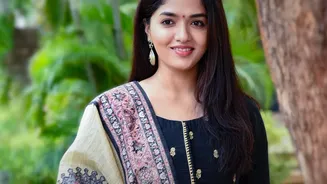
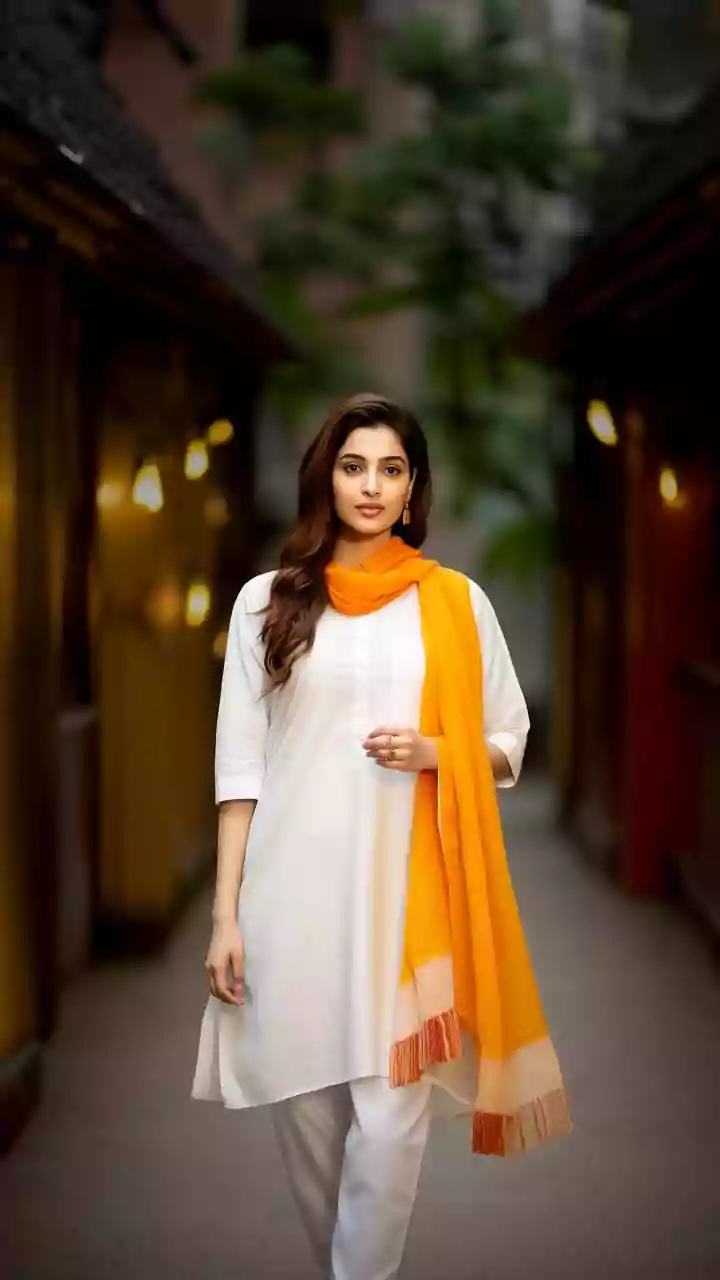
Incorporating handloom into your daily wardrobe is simpler than you think. Start with one versatile piece, like a hand-block printed cotton shirt or a comfortable Khadi kurta. Pair it with basics you already own, like denim jeans or neutral-coloured trousers. A handloom dress can be dressed down with flat sandals or white sneakers for a casual day out. For a work-appropriate look, try a Chanderi kurta with tailored palazzos. The key is to let the texture and craftsmanship of the fabric be the star. Keep accessories minimal and modern—a simple leather bag, delicate silver jewellery, or a classic watch is all you need to complete the look.