





The City's Free, Accessible Gymnasium
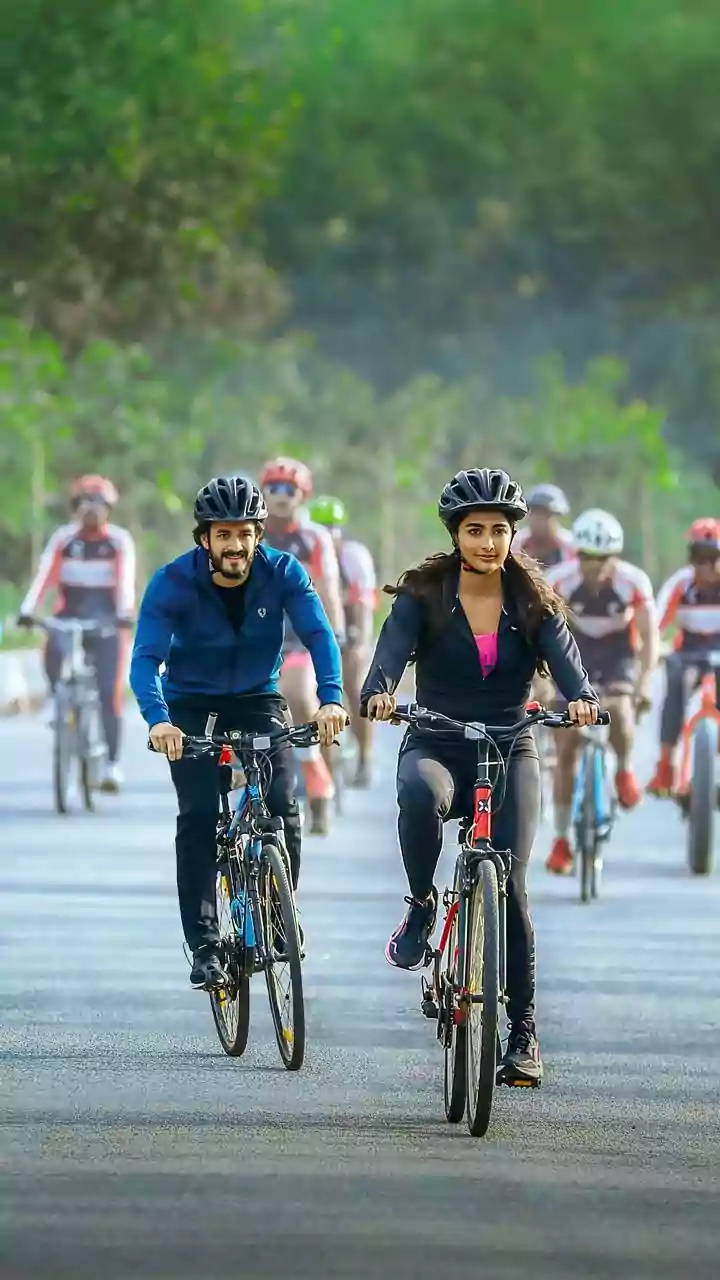
For many city dwellers, a gym membership is an expensive luxury. Neighbourhood parks democratise fitness, offering a zero-cost alternative that is open to everyone, regardless of age, income, or fitness level. From wide, paved pathways perfect for morning
walks and jogging to sturdy benches that can be used for push-ups and tricep dips, the park is a versatile workout space. In recent years, many municipal bodies have started installing open-air gyms, equipping parks with basic but effective machines for strength training. This infrastructure, often part of initiatives like the Fit India Movement, makes it easier for residents to incorporate regular physical activity into their routines without the financial or logistical barriers of a traditional gym. This accessibility is crucial for tackling sedentary lifestyles, which are a growing cause of health issues in urban populations.
More Than Just a Morning Walk
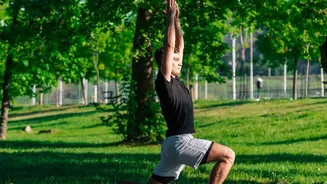
While walkers and joggers are a common sight, the fitness ecosystem of a typical Indian park is incredibly diverse. Early mornings often see groups of seniors practising 'Laughter Yoga', while other clearings host community-led yoga and Zumba sessions. Calisthenics enthusiasts use pull-up bars and parallel bars, while children’s play areas indirectly encourage activity for supervising parents. These parks serve as multi-purpose wellness circuits. The blend of activities reflects a holistic approach to health, where running might be combined with stretching and bodyweight exercises. This variety ensures that fitness doesn't become monotonous, allowing people to find an activity that genuinely appeals to them, from a quiet yoga session to a lively group class.
A Boost for Mental and Social Well-being
The benefits of park-based fitness extend well beyond the physical. Studies have consistently shown that spending time in green spaces reduces stress, anxiety, and mental fatigue. The simple act of being in nature, even for just 20 minutes, can improve mood and emotional well-being. Parks provide a crucial escape from the noise and overstimulation of city life, allowing for mental rejuvenation. Furthermore, they are powerful social connectors. Exercising alongside neighbours fosters a sense of community and shared motivation. These shared spaces help combat urban loneliness by creating opportunities for social interaction, bringing together people from different walks of life and strengthening community ties.
The Evolution of Urban Green Spaces
Urban planners and city governments are increasingly recognising parks as essential health infrastructure. As cities like Delhi, Bangalore, and Mumbai continue to grow, there is a greater focus on designing and maintaining parks that serve diverse community needs. Modern park design often includes dedicated running tracks, well-maintained open-air gym equipment, and safe play areas for children. In some cities, under-utilised urban pockets are being reclaimed and transformed into 'pocket parks' to bring green spaces closer to dense residential areas. This evolution is driven by the understanding that parks are not a luxury but a necessity for building resilient, healthy, and liveable cities. By integrating fitness directly into the neighbourhood environment, cities can foster a culture of preventative healthcare for all residents.