


Moving Beyond the Bucket List
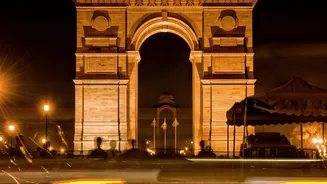
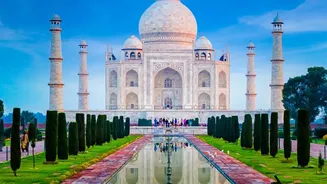
For decades, the idea of a perfect holiday was tied to a bucket list of sights: the Taj Mahal, the Eiffel Tower, the Colosseum. Travel was often a race to collect photos of iconic places. But a significant shift is underway. Modern travellers are increasingly
seeking authentic and meaningful experiences over superficial sightseeing. This new approach, often called immersive or community-based travel, prioritises genuine engagement with a destination's culture and people. Instead of just observing local life, travellers want to participate in it, understanding that the stories and interactions behind a place are what make a trip truly unforgettable.
The Lasting Impact of Human Connection
Why are these experiences so much more memorable? The answer lies in human psychology. When we connect with people, share a meal, learn a new skill, or listen to a personal story, our brain creates stronger, more emotional memories. These moments foster empathy and broaden our perspectives in a way that simply viewing a monument cannot. Stepping out of one's comfort zone to navigate unfamiliar social norms or overcome a language barrier also contributes to personal growth, building resilience and self-awareness. Travel becomes less about the places you see and more about the person you become through these interactions.
Community as the Main Attraction
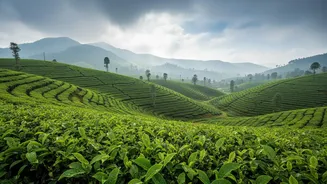
This trend has given rise to a new form of tourism where the community itself is the destination. In India, this is taking root in various forms, from homestays in the villages of Kerala and Himachal Pradesh to craft workshops with artisans in Rajasthan. These initiatives allow travellers to experience daily life firsthand, whether it's participating in farming activities or learning to cook traditional recipes from a local family. These experiences are not only authentic for the traveller but also provide a direct and sustainable source of income for local populations, ensuring that tourism revenue benefits the community directly. Organisations are now working to integrate these community-led experiences into mainstream travel, making them more accessible to a wider range of tourists.
A Ripple Effect of Mutual Benefits
Community-based tourism creates a powerful, positive feedback loop. Travellers gain a deeper, more nuanced understanding of the world, breaking down stereotypes and fostering cross-cultural appreciation. They return home not just with souvenirs, but with stories, skills, and a genuine connection to the place they visited. For the host communities, the benefits are equally significant. It provides economic incentives to preserve cultural heritage and the natural environment. When tourism is managed by locals, it empowers them to protect their traditions and way of life, ensuring that their culture is celebrated, not just consumed. This model fosters a sense of pride and helps keep local traditions alive for future generations.
How to Find These Meaningful Experiences
Finding these immersive journeys is easier than ever. Travellers can look for tour operators that specialise in responsible or community-based tourism. Many states in India are actively promoting rural tourism and creating frameworks to support homestays and local enterprises. Reading reviews and looking for travel companies that are transparent about how they work with local communities is key. The goal is to find experiences that offer genuine cultural exchange, not staged performances. By choosing to support family-run eateries, local artisans, and community-guided tours, travellers can actively contribute to a more sustainable and equitable form of tourism.