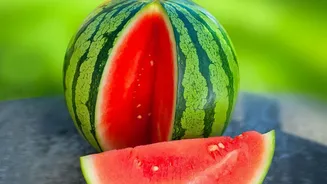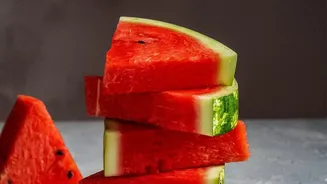



That thick, white and green rind from a juicy watermelon almost always ends up in the bin. But what if that scrap was actually a versatile, nutritious ingredient waiting to be discovered? It’s time to rethink kitchen waste, one rind at a time.
More Than Just a Scrap
Before you
toss it, consider what you're throwing away. The watermelon rind, that pale part between the pink fruit and the tough green skin, is entirely edible and packed with surprising benefits. It's a fantastic source of dietary fibre, which is great for digestion. It also contains notable amounts of vitamins C, A, and B6, along with minerals like potassium and zinc. Perhaps its most valuable component is citrulline, an amino acid that can help improve blood flow and may even give you a boost for your workout. With a crisp texture similar to a cucumber, the rind is brilliant at absorbing flavours, making it a perfect candidate for a wide range of dishes. Embracing the rind isn't just a smart nutritional choice; it's a powerful step toward reducing food waste, saving money, and becoming a more creative cook.
From Rind to Sabzi
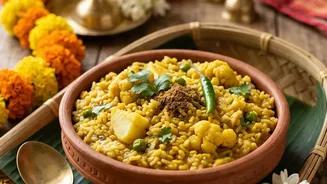
One of the most popular and satisfying ways to use watermelon rind in an Indian kitchen is by making a delicious sabzi. Often called 'tarbooz ke chhilke ki sabzi', this dish transforms the humble rind into a flavourful main or side dish. The process is simple. First, peel the tough outer green skin and chop the white rind into cubes. Heat oil in a pan, and temper with your usual spices like cumin seeds, mustard seeds, and a pinch of asafoetida (hing). Sauté some ginger and green chillies before adding the rind. Add powdered spices like turmeric, coriander, and red chilli powder. Cover and cook for about 15-20 minutes, until the rind becomes tender but not mushy. Some variations include adding onions, tomatoes, or a bit of jaggery for a sweet and sour flavour profile. The result is a surprisingly hearty and tasty dish that pairs perfectly with roti or rice.
Quick and Tangy Achar
Pickling is an age-old Indian tradition for preserving vegetables, and watermelon rind is an excellent candidate for a quick, tangy achar. Its sponge-like texture is perfect for soaking up all the spicy and sour notes of a good pickle masala. To make a simple watermelon rind pickle, start by cutting the white part of the rind into small pieces. To ensure a crunchy pickle, it helps to salt the pieces and let them sit for a few hours (or overnight) to draw out excess water; just be sure to squeeze them dry afterwards. In a pan, heat mustard oil and add a mix of pickling spices—mustard powder, fenugreek powder, turmeric, red chilli powder, and asafoetida are a great start. Add the dried rind pieces to the spiced oil, stir well, and finish with a generous squeeze of lime juice. You can store it in a clean glass jar in the refrigerator, and it's usually ready to eat by the next day.
Beyond the Watermelon
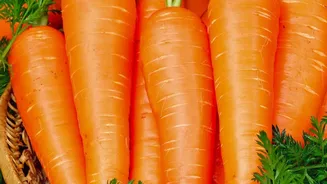
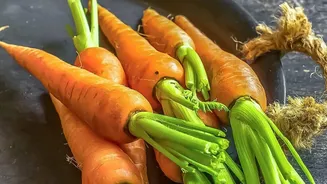
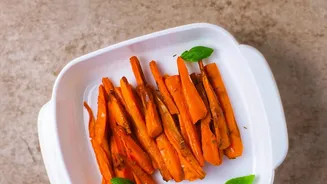
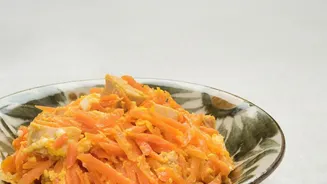
Once you've mastered watermelon rind, you'll start seeing potential in all sorts of kitchen scraps. This 'root-to-stem' philosophy is at the heart of zero-waste cooking. Don't throw away the leafy green tops of carrots or beetroot; they can be turned into a nutritious pesto or chopped into salads and sabzis. The tough stems of cauliflower and broccoli are delicious when chopped and added to stir-fries or sabzis. Even vegetable peels from potatoes, carrots, and bottle gourd can be put to use. As long as they're washed well, they can be saved in the freezer to make a flavourful vegetable stock or baked into crispy, seasoned chips. Thinking this way doesn't require a total overhaul of your kitchen habits. It's about making small, creative changes that add up.