





Audit Your Green Collection
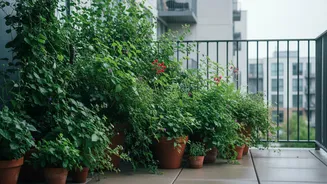
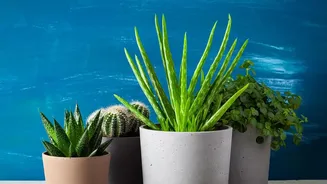
The first step is a thorough assessment of your plants. Not all of them will need to be moved or given special treatment. Check which plants are receiving direct, harsh rainfall on balconies or patios; these are prime candidates for being moved. Delicate
ornamentals and succulents are particularly vulnerable to overwatering and root rot. Inspect leaves for any signs of fungal infections, which appear as white or grey patches, or dark spots. Also check the soil. If it's constantly waterlogged, the plant is at high risk. This audit helps you prioritise which plants need immediate attention versus those that are thriving in the humid conditions.
Rethink Your Watering Schedule
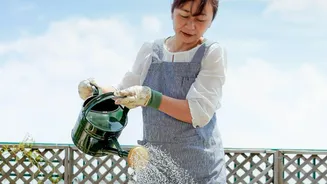
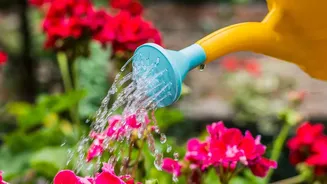
This is the most critical adjustment. With high humidity, the soil in pots dries out much slower. The cardinal rule of monsoon plant care is to avoid overwatering. Before reaching for the watering can, check the top inch or two of soil. If it still feels moist, hold off. Constant wetness suffocates roots, leading to root rot, a condition where roots become mushy and black due to lack of oxygen. For most indoor plants, you’ll find yourself watering far less frequently than in the summer. Remember that rainwater is naturally soft and nutrient-rich, so plants that do get it will be happy, provided the drainage is excellent.
The Indoor Migration and Space Management
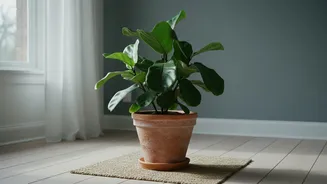
Bringing plants indoors protects them, but it can quickly lead to cluttered floors and blocked pathways. To manage this, think vertically. Use hanging planters, tiered plant stands, or wall-mounted shelves to house your green friends without sacrificing precious floor space. When you do bring pots inside, don't place them directly on the floor, especially if it’s wood or laminate. Even terracotta pots, which are porous, can sweat and leave damp rings that damage surfaces. Use plant saucers to catch excess water, but also place a waterproof mat or a decorative tray underneath. Elevating pots on small stands or coasters also allows air to circulate underneath, preventing moisture from getting trapped.
Protecting Your Floors and Walls
Beyond the direct impact of plant pots, the overall humidity during the monsoon can cause problems for your home. Dampness can seep into walls, causing paint to peel and encouraging the growth of mould and mildew. Ensure good ventilation by opening windows and using fans whenever there's a break in the rain to keep air circulating. For particularly damp corners or closets, natural dehumidifiers like bowls of rock salt or charcoal briquettes can absorb excess moisture. Wipe down any condensation you see on windows or walls promptly. When mopping floors, use a well-wrung-out mop and a pH-neutral cleaner to avoid adding more moisture.
Combat Pests and Diseases Proactively
The damp, warm conditions of the monsoon are a breeding ground for pests like slugs, snails, aphids, and mealybugs, as well as fungal diseases. Regularly inspect your plants, paying close attention to the undersides of leaves and the soil surface. Remove any fallen leaves or debris from pots, as this can harbour pests and fungal spores. Good air circulation is your best defence against fungal growth. If you spot a minor pest problem, you can often treat it by spraying the plant with a simple solution of neem oil mixed with water and a mild soap. For fungal issues, prune affected leaves to prevent spread and ensure the plant isn't in a soggy pot.