






More Than Just a Vacation
The traditional Indian 'chutti' is getting a modern makeover. While family trips and adventurous getaways remain popular, a new form of travel is gaining traction among young professionals and Gen Z. This isn't about escaping life, but about reconnecting
with oneself. Unlike conventional tourism, which often focuses on packed itineraries and social media-worthy sights, wellness travel is defined by its intention. It prioritises rest, reflection, and rejuvenation, treating a holiday not as an indulgence but as a necessary opportunity to reset and recharge. The goal is not to see a new place, but to feel a different way.
The Drivers of a New Movement
This shift is fueled by a confluence of social and cultural changes. In urban India, conversations around mental health are becoming more open, reducing the stigma once associated with stress, anxiety, and burnout. The post-pandemic era, in particular, has amplified awareness of mental and emotional well-being, with many people realising how crucial travel is for their mental health only after it was no longer an option. Constant connectivity and the pressures of an 'always-on' work culture have made burnout a widespread issue, leading people to actively seek temporary exits that offer genuine rest.
Destinations for the Mind
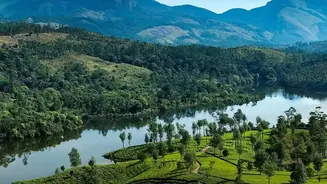
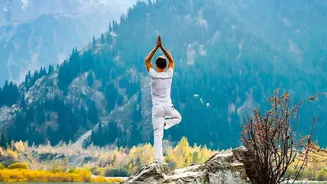
So, what does a mental well-being trip look like? The destination is often less important than the experience. It could be a solo trek in the Himalayas, a structured yoga programme in Rishikesh, or a silent Vipassana meditation retreat. Many are drawn to India's rich heritage of healing, engaging in Ayurvedic treatments in Kerala or joining emotional healing workshops in Goa. These experiences provide a break from routine, giving the nervous system a chance to recover. The focus is on slowness, novelty, and a psychological spaciousness that is hard to find in daily life.
The Rise of the Digital Detox
A defining feature of this new travel trend is the deliberate decision to disconnect. For many young Indians, the ability to be genuinely unreachable has become a coveted luxury. Retreats offering phone-free environments and limited Wi-Fi are no longer seen as a deprivation but as the main attraction. This move towards 'digital detox' travel reflects a deeper fatigue with the demands of social media and online life. The focus shifts from public performance to private restoration, where the value of the trip lies in the quiet and discretion it offers, not in the photos posted online.
The Industry Responds
The travel and hospitality industry has been quick to notice this trend. India's wellness tourism market is a significant and rapidly growing sector, projected to be valued at over USD 30 billion in 2026. Travel companies and resorts are now offering highly personalised wellness packages that cater to specific needs like stress reduction, detox, and emotional healing. From luxury retreats integrating traditional Ayurveda with modern therapies to eco-lodges offering forest bathing, the market is evolving to meet the demand for more meaningful and restorative travel experiences.