






Embrace the Season's Best
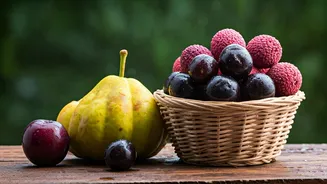
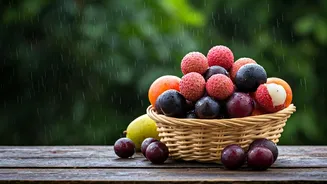
The best strategy for healthy eating during the monsoon is to focus on seasonal fruits. Not only are they at their peak in terms of flavour and nutritional value, but they are also more readily available and affordable. Look for fruits like jamun (Indian
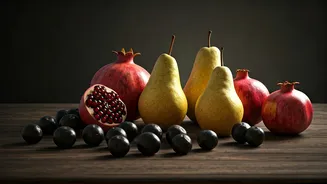
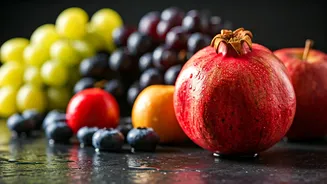
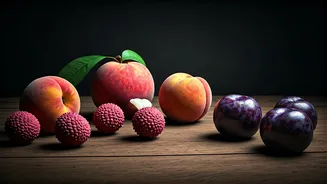
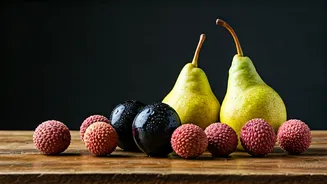
blackberry), plums, peaches, cherries, and pears. Pomegranates are another excellent choice, packed with antioxidants that can help boost your immune system. Apples are also a safe and healthy option, rich in fibre and easy to clean. These fruits generally have a lower risk of contamination and spoilage in humid weather compared to others.
Fruits to Be Cautious About
Some fruits, though healthy at other times, pose a higher risk during the rainy season. Water-heavy fruits like watermelon and muskmelon are best avoided. Their high water content makes them prone to spoilage and bacterial contamination in the damp climate. Berries, with their porous and delicate skins, can easily trap moisture, leading to mould and fungal growth. Grapes can also harbour mould and are difficult to clean thoroughly. It's also wise to be careful with fruits that spoil quickly, like papayas and bananas, as they can become overripe and attract pests.
Avoid Pre-Cut Fruits at All Costs
As tempting as they are for a quick snack, pre-cut fruits sold by street vendors are a major health hazard during the monsoon. Once cut, the fruit is exposed to the humid air, which is often laden with germs and pollutants. This exposure creates a perfect breeding ground for harmful bacteria. Furthermore, there is no guarantee that the water used to wash the fruit or the knives used to cut it were clean. To stay safe, always buy whole fruits and cut them yourself at home just before you plan to eat them.
Master the Art of Cleaning
Properly washing fruits is non-negotiable, especially during the monsoon. The increased moisture in the environment means produce can harbour more dirt, larvae, and bacteria. Start by washing your own hands thoroughly. Rinse all fruits under clean, running water, gently rubbing them with your hands. For firm fruits like apples or pears, using a clean vegetable brush to scrub the skin is a good idea. You can also soak fruits in a solution of water and vinegar for a few minutes to help remove pesticides and germs. After washing, dry the produce completely with a clean cloth or paper towel, as leftover moisture can encourage bacterial growth.
Inspect Before You Buy
When shopping, take a moment to carefully inspect the fruits. Look for produce that is firm and brightly coloured. Avoid anything with visible bruises, soft spots, mould, or other signs of decay. While a little surface dirt is normal, excessive damage can be an entry point for bacteria. Don't be tempted by deals on produce that looks old or water-damaged. It is better to buy smaller quantities of fresh fruits more frequently than to stock up on items that might spoil quickly in the damp weather.
Smart Storage Is Key
How you store your fruits at home can significantly impact their shelf life and safety. In the humid monsoon climate, fruits can rot quickly if left out. It's best to store most fruits in the refrigerator to slow down spoilage. Use breathable bags or store them in separate compartments to allow for air circulation. Make sure your refrigerator is clean to prevent cross-contamination. Delicate fruits like berries should be eaten as soon as possible, while hardier fruits like apples and pomegranates will last longer. Remember to only wash fruits right before you intend to eat them, as washing in advance can hasten spoilage.