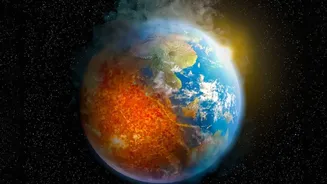






A sobering new warning from the United Nations confirms what many have feared: the world is set to overshoot its critical 1.5°C climate goal. A report highlighted at the COP31 summit in Türkiye says stalled progress means a breach is now inevitable.
A Reality Check from the Global Stage
As
world leaders convened in Antalya, Türkiye, for the COP31 climate summit, the United Nations delivered a stark message: the planet is on a dangerous trajectory. According to the latest analyses, including the UN Environment Programme's (UNEP) 2026 Emissions Gap Report, current global efforts are so far off track that exceeding the 1.5°C warming limit is no longer a risk, but an impending reality. UN Secretary-General António Guterres stated that science shows an 'overshoot' is now unavoidable, though its duration and severity are still within humanity's control. This isn't just another incremental update; it marks a significant shift in the global conversation from preventing the breach to managing its consequences. The consensus is that collective climate action has effectively stalled for the past several years, with current policies putting the world on a path toward 2.7°C of warming by 2100.
What 'Stalled Action' Really Means
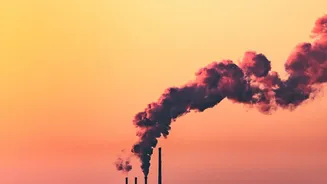
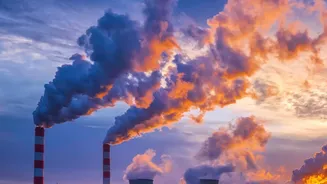
The term 'stalled action' points to a dangerous gap between promises and policies. Despite some progress, such as record renewable energy deployment in countries like India and China, global emissions continue to rise. This is because growing energy demand and continued investment in fossil fuel infrastructure are counteracting the gains from clean technology. According to the Climate Action Tracker, a leading research consortium, several nations are failing to accelerate their climate plans; some are even rolling back previous commitments. The UNEP report specifies that to limit the overshoot, global emissions must fall dramatically—by around 6% every year. However, current national plans, even if fully met, deliver only a fraction of the required cuts. Furthermore, crucial funding promised by wealthy nations to help developing countries adapt to climate impacts has been flat or falling, creating a major barrier to progress and straining international trust.
Why 1.5°C Is More Than Just a Number
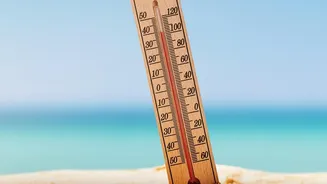
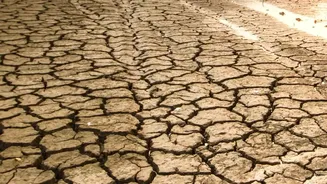
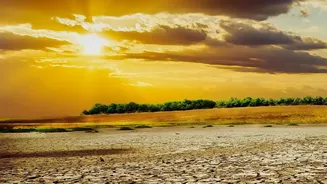
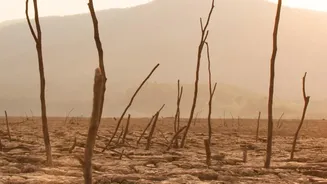
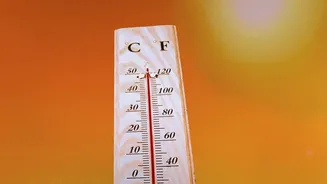
The 1.5°C target, enshrined in the 2015 Paris Agreement, was identified by scientists as a critical guardrail to avoid the most catastrophic and irreversible impacts of climate change. While not a magic line, every fraction of a degree beyond it drastically increases risks. Exceeding this threshold, even temporarily, will lead to more frequent and intense heatwaves, floods, droughts, and wildfires. For India, the stakes are particularly high. Analysis based on IPCC data shows that in a 1.5°C warmer world, the Himalayan states could see average temperatures rise significantly, with Ladakh potentially warming by over 2.2°C. This threatens the glaciers that are a vital water source for millions. Meanwhile, rainfall patterns could become more erratic, with arid states like Rajasthan seeing more intense precipitation while other regions face deficits. The economic costs are also immense, with studies projecting trillions in losses from reduced worker productivity, agricultural damage, and disaster recovery.
The View from India and Developing Nations
For India, the report's findings create a complex challenge. The nation has made huge strides in renewable energy, but its development needs mean it must balance emissions reduction with economic growth. Indian officials at COP31 have emphasised that the focus must now shift from making new pledges to securing the finance and technology needed to implement existing ones. Integrating 500 GW of non-fossil fuel power by 2030, for example, requires massive investment in grid infrastructure and energy storage. The issue of 'climate justice' looms large. Developing nations, which have contributed the least to historical emissions, are suffering the most severe consequences. UN Chief Guterres highlighted that developing economies outside of China receive less than a fifth of global clean-energy investment and face higher borrowing costs, making their green transition far more expensive. This disparity has led to calls for 'polluters to pay' and for adaptation finance to be delivered as grants, not high-interest loans that deepen debt.