




In a world of mass-produced minimalism, a quiet revolution is taking place in Indian homes. The focus is shifting from generic perfection to soulful, handcrafted items that tell a story and connect us to our roots.
A Search for Soulful Spaces
For years, modern interior design leaned
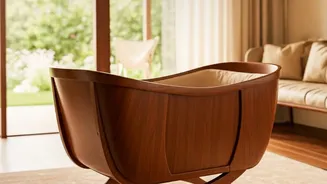
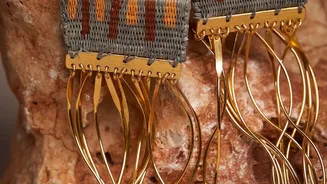
heavily on standardized, factory-made goods that made homes look polished yet impersonal. This created a widespread sameness, where apartments in different cities began to feel indistinguishable. The current revival of artisanal decor is a direct response to this uniformity. Homeowners are increasingly seeking individuality and character, wanting spaces that reflect their personality and heritage. A handcrafted object, with its subtle imperfections and the visible mark of its maker, offers a sense of authenticity that mass-produced items cannot replicate. It's a move away from fleeting trends towards objects with longevity and a story.
Traditional Crafts, Modern Language
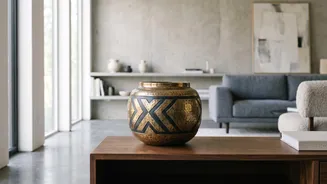
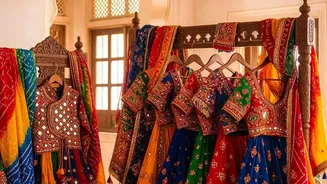
This revival isn't about recreating traditional homes in their entirety. Instead, it’s about a thoughtful integration of old and new. The key is balance: using a single, statement handcrafted piece to anchor a contemporary room. Imagine a minimalist living room brought to life by a hand-carved wooden jali screen, or a sleek dining area warmed by the earthy texture of Khurja pottery. Crafts like Kalamkari and Ajrakh block-printing, once reserved for clothing, are now appearing on cushions, quilts, and wall panels. Similarly, the bamboo and cane crafts of the Northeast are being reshaped into stylish lampshades, chairs, and decorative trays for modern living.
The Allure of Conscious Consumption
Beyond aesthetics, the artisanal revival is deeply connected to a growing consciousness around sustainability and ethical consumption. Handcrafted goods are often made from locally sourced, natural materials like wood, clay, jute, and bamboo, reducing the carbon footprint associated with industrial production and long-distance shipping. This trend supports local artisans and their communities, helping to preserve craft traditions that might otherwise fade away. For many, choosing a handmade piece is a deliberate act of supporting a local economy and investing in a more sustainable future. It transforms the idea of luxury from being about price to being about intention and impact.
How to Weave Heritage into Your Home
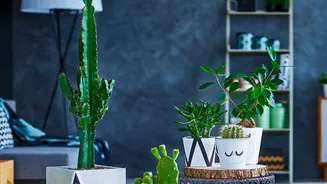
Incorporating this trend doesn't require a complete overhaul. The most effective approach is often about making small, intentional choices. Start by introducing one or two pieces with presence, like a Dhokra metal figurine on a bookshelf or a large terracotta planter in a corner. Play with textures by pairing the raw finish of a handcrafted object against smooth, modern surfaces. Textiles are another easy way to start; vibrant, hand-printed cushion covers or a handwoven rug can instantly add warmth and personality to a neutral space. The goal is to allow each crafted piece enough space to be appreciated, turning it into a conversation starter rather than just another decorative item.