




What Are the Perseids?
The Perseid meteor shower is an annual celestial event that delights sky-watchers every August. These 'shooting stars' are not actually stars at all. They are tiny bits of ice and rock, many no larger than a grain of sand, left behind by a comet named
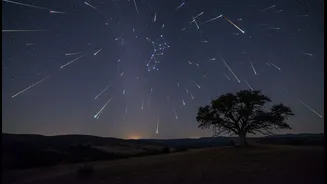
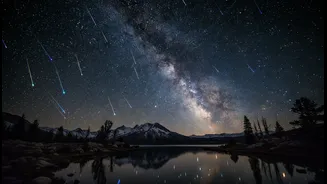
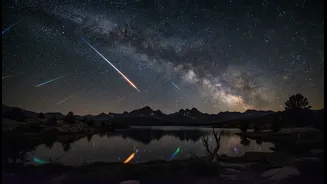
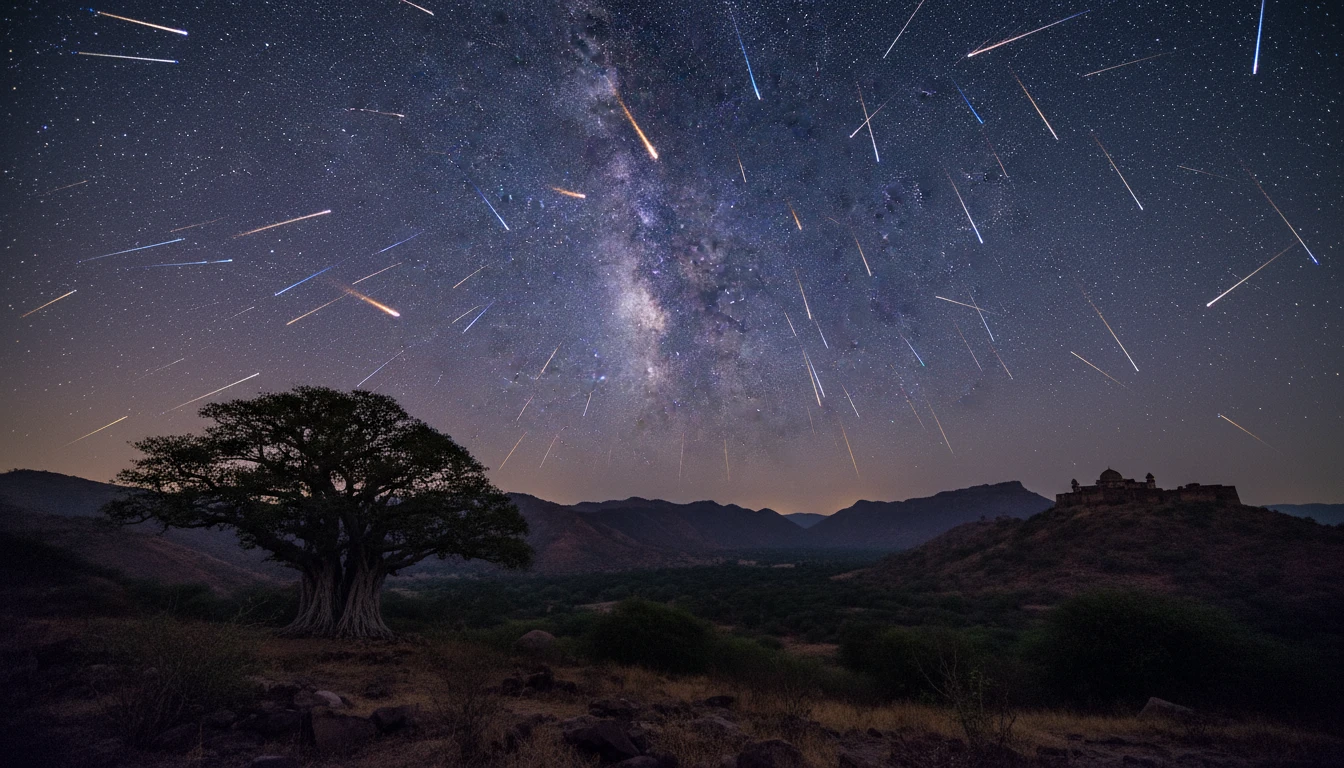
109P/Swift-Tuttle. Each year, as Earth orbits the Sun, it plows through this stream of cometary debris. The particles enter our atmosphere at incredible speeds—around 59 kilometres per second—and burn up, creating brilliant streaks of light across the night sky. They are called the Perseids because the meteors appear to radiate from a point in the constellation Perseus. The shower is known for its reliability and for producing bright, fast meteors, including occasional fireballs, which are exceptionally bright and long-lasting bursts.
A Perfect Year for Viewing
For meteor shower enthusiasts, 2026 is shaping up to be a spectacular year. The peak of the Perseids, on the night of August 12-13, coincides perfectly with a new moon. This is fantastic news because the moon will be completely absent from the night sky, meaning no natural light pollution to wash out the fainter meteors. Under these ideal dark-sky conditions, observers could potentially see between 50 and 100 meteors per hour. This makes it one of the best opportunities in years to witness the shower in its full glory. The only significant challenge for viewers in India will be the weather, as the peak falls squarely within the monsoon season.
When and Where to Watch in India
Mark your calendars for the night of August 12 and the early morning of August 13, 2026. While you can see meteors throughout the night, the best viewing window will be from about 2 a.m. until dawn local time. This is when the shower's radiant point in the Perseus constellation is high in the sky, maximizing the number of visible meteors. The biggest hurdle for most of India is the heavy cloud cover typical of the August monsoon. However, not all regions are equally affected. Areas that receive less rainfall, such as the high-altitude deserts of Ladakh and Spiti Valley, offer the best chances for clear skies. Western Rajasthan, near Jaisalmer, and the Rann of Kutch in Gujarat are also promising locations with a higher probability of a cloud-free night.
Your Ultimate Viewing Guide
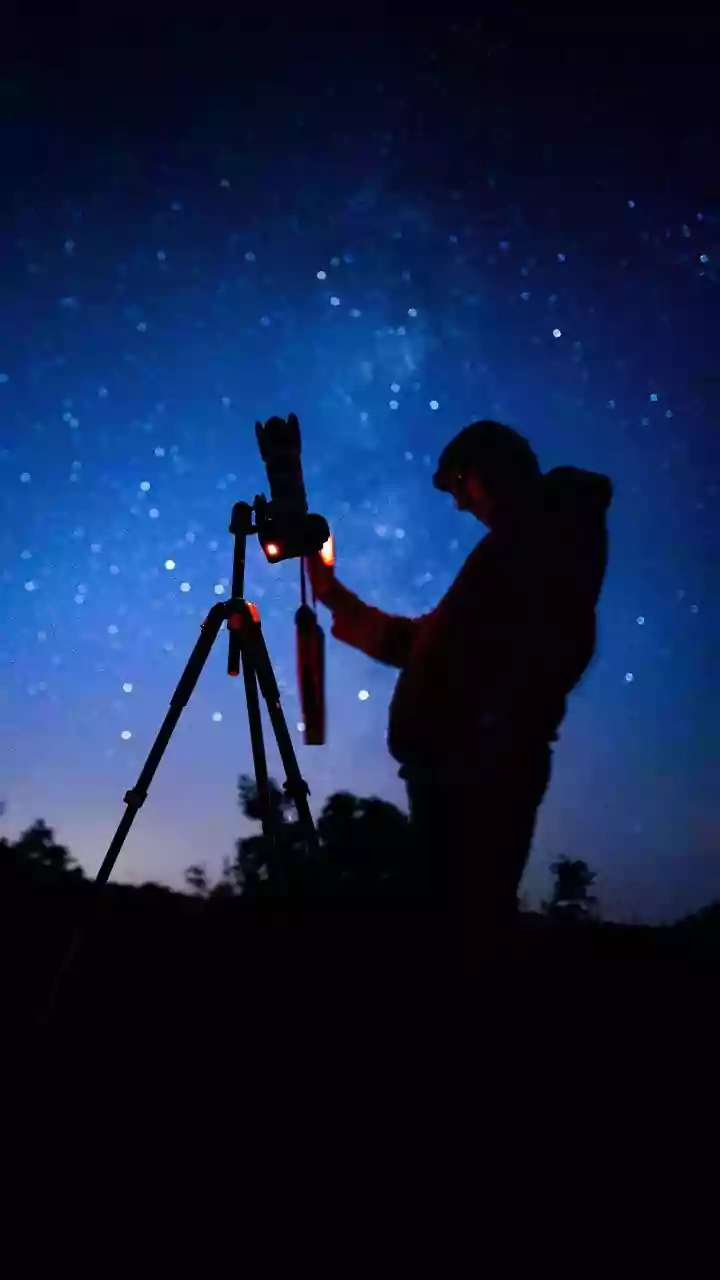
You don’t need any special equipment like a telescope or binoculars to enjoy the show; in fact, your naked eyes are best as they offer the widest field of view. The key is patience and preparation. First, find the darkest spot you can, far away from city and street lights. Light pollution drastically reduces the number of meteors you can see. Allow your eyes to fully adapt to the darkness, which takes about 20 to 30 minutes—so keep your phone tucked away. Lie back on a blanket or a reclining chair and simply look up, taking in as much of the sky as possible. While the meteors originate from the direction of Perseus, they can appear anywhere in the sky. For the best experience, plan to spend at least an hour watching.
India's Top Stargazing Havens
If you're looking to make a special trip, India has several world-class dark-sky locations. Hanle in Ladakh is home to India's first official Dark Sky Reserve and offers some of the clearest, darkest skies on the planet. Spiti Valley in Himachal Pradesh is another high-altitude cold desert renowned for its pristine nightscapes, making it a favourite for astrophotographers. For those in western India, the Rann of Kutch in Gujarat provides a surreal setting, with the vast salt desert creating an otherworldly stargazing experience. Even destinations closer to major cities, like Jawhar near Mumbai or Velhe near Pune, can offer a significant improvement over urban skies, especially during breaks in the monsoon clouds.