




Why Monsoon Increases Water Risk
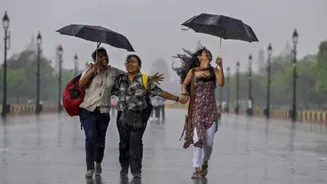
The problem starts with the downpour itself. Heavy rains lead to overflowing sewers, drains, and septic tanks. This contaminated water seeps into the ground, polluting underground aquifers, wells, and even municipal pipelines that may have tiny cracks
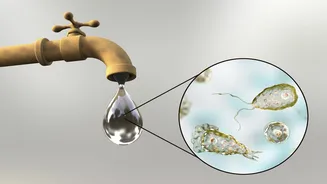
or leaks. Surface water sources like rivers and lakes become a cocktail of agricultural runoff, industrial waste, and sewage. This contamination introduces a host of invisible pathogens—bacteria, viruses, and parasites—into the water that eventually reaches your tap. Even water that looks clear can be teeming with microorganisms capable of causing serious illness.
Know the Enemy: Common Waterborne Diseases
Contaminated water during the monsoon is a primary cause for a spike in several debilitating diseases. Understanding them helps reinforce the need for caution. Key culprits include: * **Cholera:** A bacterial infection causing severe diarrhoea and dehydration, which can be life-threatening if not treated promptly. * **Typhoid Fever:** Caused by the Salmonella Typhi bacteria, it leads to high fever, weakness, and stomach pain. It requires antibiotic treatment. * **Hepatitis A and E:** Viral infections that attack the liver, causing jaundice, fatigue, and nausea. While Hepatitis A is common, Hepatitis E can be particularly dangerous for pregnant women. * **Gastroenteritis (including Dysentery):** This is a general term for inflammation of the stomach and intestines, caused by various bacteria and viruses. Symptoms include diarrhoea, vomiting, and stomach cramps. When it involves blood in the stool, it's often called dysentery.
The Gold Standard: Boiling Water
The simplest, cheapest, and most effective method of water purification is boiling. It is a time-tested technique that kills virtually all disease-causing microorganisms. To do it correctly, you must bring the water to a vigorous, rolling boil. A few bubbles are not enough. The World Health Organization (WHO) recommends maintaining this rolling boil for at least one full minute. At higher altitudes (above 2,000 metres), you should boil it for three minutes. After boiling, let the water cool down on its own without adding ice. Store it in a clean, covered container to prevent re-contamination. Make this a non-negotiable daily ritual for all drinking and cooking water during the monsoon season.
Modern Shields: Filters and Purifiers
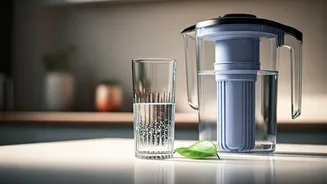
If boiling is not feasible, modern water purifiers offer a convenient alternative. However, it's crucial to choose the right technology for your needs: * **RO (Reverse Osmosis) Purifiers:** These are highly effective at removing dissolved solids, heavy metals, and microorganisms. However, they also remove essential minerals and waste a significant amount of water in the process. * **UV (Ultraviolet) Purifiers:** These use UV light to kill bacteria and viruses but do not remove dissolved impurities or chemicals. They are best used for water that is already visually clear. * **Gravity-based Filters (with activated carbon/ceramic candles):** These are non-electric and affordable options. They are effective against bacteria and protozoa but may not eliminate all viruses. Regular cleaning and timely replacement of the filter candle are essential for them to work effectively. Many modern purifiers combine these technologies (e.g., RO+UV) for comprehensive protection.
Beyond Drinking: Total Water Hygiene
Your monsoon shield is incomplete if you only focus on drinking water. Contamination can occur from multiple sources. Pay close attention to the water you use for other daily activities. Use purified water for brushing your teeth and rinsing your mouth to avoid accidental ingestion of pathogens. Wash all fruits and vegetables, especially leafy greens that will be eaten raw, with purified water. Even the ice you add to your drinks should be made from boiled or filtered water. Furthermore, be cautious about street food, particularly chutneys, juices, and golas, which are often prepared with water from unverified sources and can be a major source of infection during this season.