






Understanding the Humble White Loaf
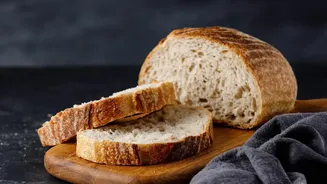
The standard commercial white loaf is typically made from refined wheat flour, or maida. During the refining process, the wheat grain is stripped of its bran (the fibre-rich outer layer) and germ (the nutrient-packed core). This process gives white bread
its soft, fluffy texture and longer shelf life but removes most of its dietary fibre, vitamins, and minerals. What's left is primarily simple starch, which the body digests quickly. This can lead to rapid spikes and subsequent crashes in blood sugar levels, often leaving you feeling hungry again sooner.
Meet the Millets: India's Ancient Supergrains
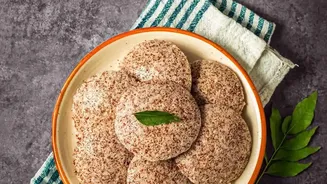
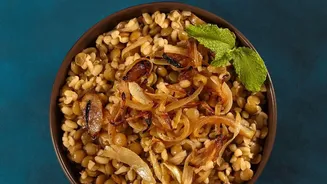
Millets are a group of small-seeded grasses that have been cultivated in India for over 5,000 years, long before wheat and rice became dominant. Grains like Ragi (finger millet), Jowar (sorghum), and Bajra (pearl millet) were once dietary staples. These hardy crops are making a comeback for good reason. They are not just a nostalgic nod to the past but a response to modern health concerns. Unlike refined wheat, millets are whole grains, meaning they retain their bran, germ, and endosperm, preserving their complete nutritional profile.
The Fiber Showdown: Millet vs. White Bread
This is where millet bread truly shines. Being made from whole grains, millets are naturally packed with dietary fibre. Studies and nutritional data consistently show that millets contain significantly more fibre than refined wheat flour. For example, adding finger millet flour to white bread has been shown to increase the crude fibre content substantially. This high fibre content has several crucial benefits: it aids digestion, prevents constipation, and helps you feel full for longer, which can assist in weight management.
Beyond Fiber: A Host of Other Health Benefits
The advantages of choosing millet bread extend well beyond just fibre. Millets have a lower Glycemic Index (GI) compared to white bread. A lower GI means they release sugar into the bloodstream more slowly, preventing sharp spikes and making them an excellent choice for managing blood sugar levels, particularly for individuals with diabetes. Furthermore, millets are nutritional powerhouses, rich in minerals like magnesium, iron, and calcium—with Ragi being a standout source of calcium. Many millets are also naturally gluten-free, making them a safe and healthy option for those with gluten sensitivity or celiac disease.
Making the Switch: How to Choose Your Bread
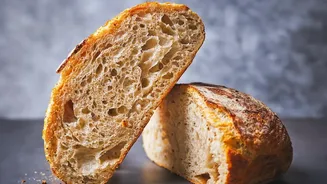
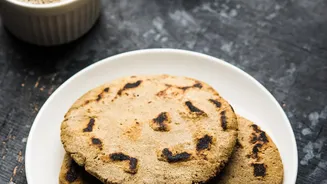
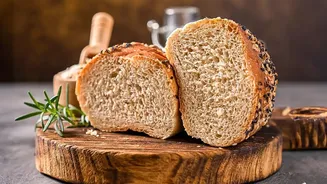
Transitioning to millet bread is a simple step towards a healthier diet. When shopping, look for loaves that list whole millet flour (like whole ragi, jowar, or bajra) as the primary ingredient. Be wary of brown-coloured breads that are just white bread with added caramel colouring. True whole-grain bread will have a denser texture. You can also find millet flour easily in markets to try your hand at baking rotis or bread at home. Mixing millet flour with whole wheat flour can be a good starting point if you are new to the taste and texture. This rotation of grains is a great strategy for a balanced diet.